A CLOSER LOOK: VIDEOGRAPHIC CRITICISM 2025 – Young video essayists comment on popular audio-visual culture. Produced as part of the BA (Hons) Film and Television degree at Southampton Solent University and brought to you by Making Waves Film Festival.
Pixar’s SparkShorts project has offered something a little different from the studio’s usual polished feature films. These short films—made by emerging voices within the studio—often take on social themes in ways that feel more personal, more exploratory, and sometimes more daring than Pixar’s mainstream releases.
This video essay looks closely at how the SparkShorts series engages with ideas of social difference. From questions of identity and belonging to depictions of disability, marginalisation, and emotional vulnerability, the essay considers how these short stories give space to characters and perspectives that might not typically take centre stage in big-budget animation.
Rather than neatly resolved narratives, many of the SparkShorts dwell in complexity. They offer viewers a space to reflect, often using metaphor, fantasy, or pared-back realism to tackle real-world concerns. The essay explores how this shift in tone and style allows Pixar to experiment—while still holding onto the emotional core that defines its brand.
As part of A Closer Look, this piece highlights how short-form animation can open doors to different kinds of stories—and why that matters for audiences of all ages.
This essay is part of A Closer Look, a series of video essays created in collaboration with Southampton Solent University and hosted by Making Waves Film Festival. Each one offers a thoughtful perspective on a piece of moving image culture, seen through the lens of emerging critical voices.
A CLOSER LOOK: VIDEOGRAPHIC CRITICISM 2025 – Young video essayists comment on popular audio-visual culture. Produced as part of the BA (Hons) Film and Television degree at Southampton Solent University and brought to you by Making Waves Film Festival.
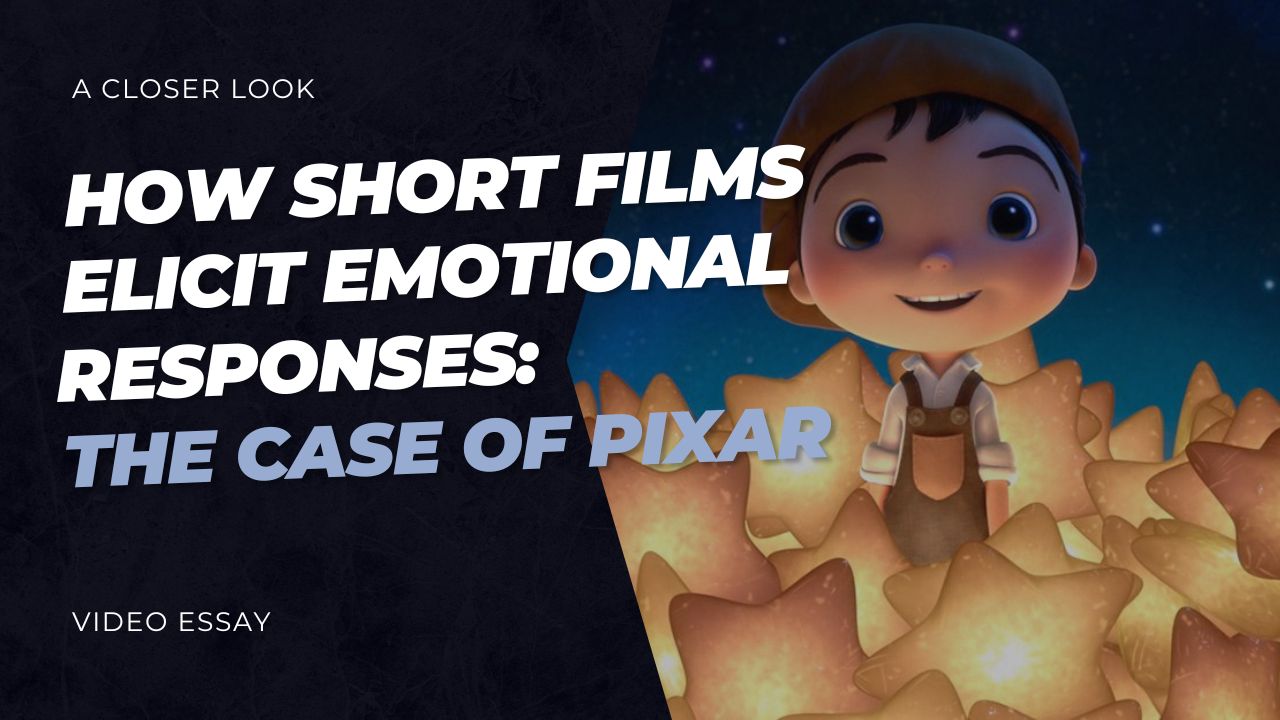
What is it about Pixar’s short films that so often leave us feeling something deep, despite their brief running time? This video essay explores how Pixar consistently taps into powerful emotions—joy, sadness, nostalgia, even grief—through compact, visually driven storytelling.
Rather than relying on dialogue-heavy scenes or extended plotlines, these shorts use simplicity, symbolism, and character design to draw audiences in. The essay considers how Pixar uses rhythm, visual cues, and carefully chosen moments to create emotional resonance in just a few minutes.
From early experiments like Luxo Jr. to more recent pieces such as Purl and Out, the video reflects on how the studio crafts experiences that feel intimate and universal at the same time. It also touches on how brevity itself can heighten emotion, making each beat land with greater weight.
As part of the A Closer Look series, this essay highlights how short films—especially in the hands of skilled storytellers—can leave a lasting emotional impression.
This essay is part of A Closer Look, a series of video essays created in collaboration with Southampton Solent University and hosted by Making Waves Film Festival. Each one offers a thoughtful perspective on a piece of moving image culture, seen through the lens of emerging critical voices.
A CLOSER LOOK: VIDEOGRAPHIC CRITICISM 2025 – Young video essayists comment on popular audio-visual culture. Produced as part of the BA (Hons) Film and Television degree at Southampton Solent University and brought to you by Making Waves Film Festival.
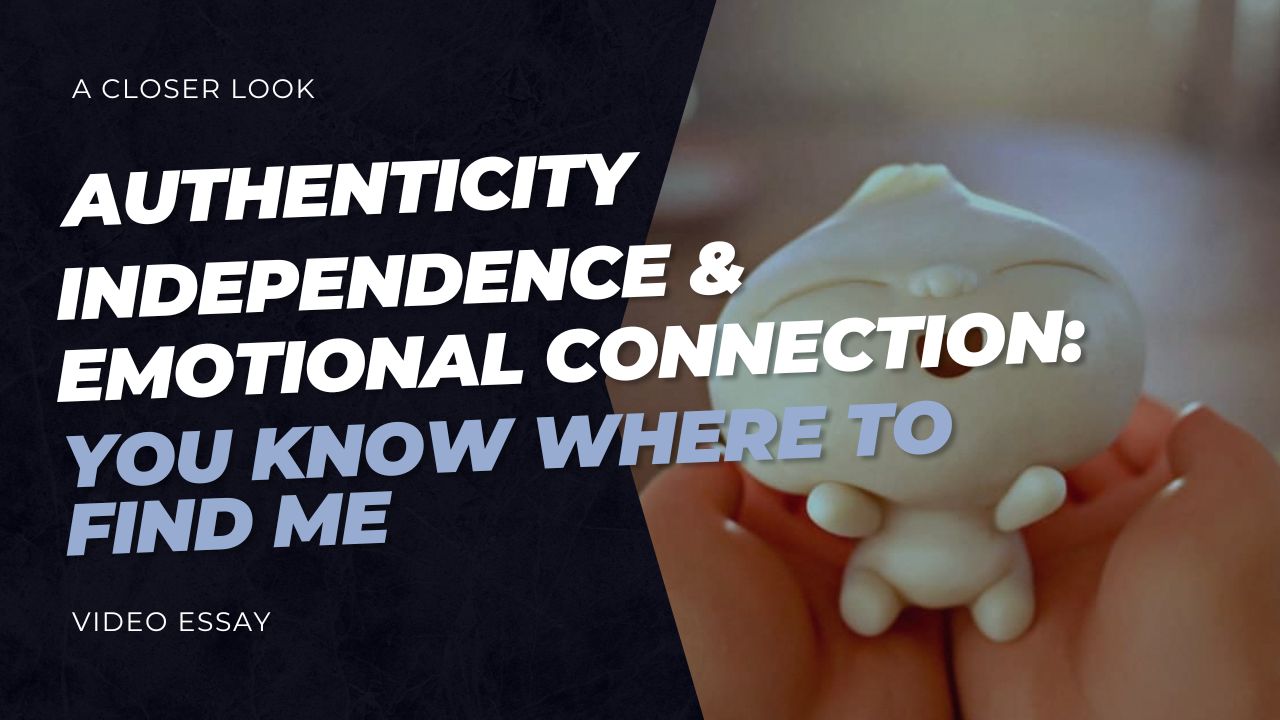
Short films are often talked about as stepping stones—early sketches for something bigger. But what happens when a short stands fully on its own? This video essay focuses on You Know Where to Find Me, a quietly powerful short directed by Sam Davis, and asks how the film creates emotional depth through simplicity and restraint.
Centred on Frankie, a young man with an intellectual disability moving into his own home, the film explores themes of independence, attachment, and the subtle tensions that come with growing up. It draws on Richard Raskin’s parameters for strong short film storytelling and shows how choices in image, sound, and structure work together to shape a compelling emotional impression.
Rather than expanding into multiple storylines, the film stays with Frankie and his mother, allowing their bond to take centre stage. Small gestures and moments—like a telephone call or a lingering look through a keyhole—carry real weight. It’s this focus that gives the film its strength: it doesn’t try to do too much, but what it does, it does with care.
The video essay positions You Know Where to Find Me as a film that isn’t aiming to be a trailer for something else. It’s a self-contained story about love, anxiety, and learning how to let go—even if just across the street.
This essay is part of A Closer Look, a series of video essays created in collaboration with Southampton Solent University and hosted by Making Waves Film Festival. Each one offers a thoughtful perspective on a piece of moving image culture, seen through the lens of emerging critical voices.
A CLOSER LOOK: VIDEOGRAPHIC CRITICISM 2025 – Young video essayists comment on popular audio-visual culture. Produced as part of the BA (Hons) Film and Television degree at Southampton Solent University and brought to you by Making Waves Film Festival.
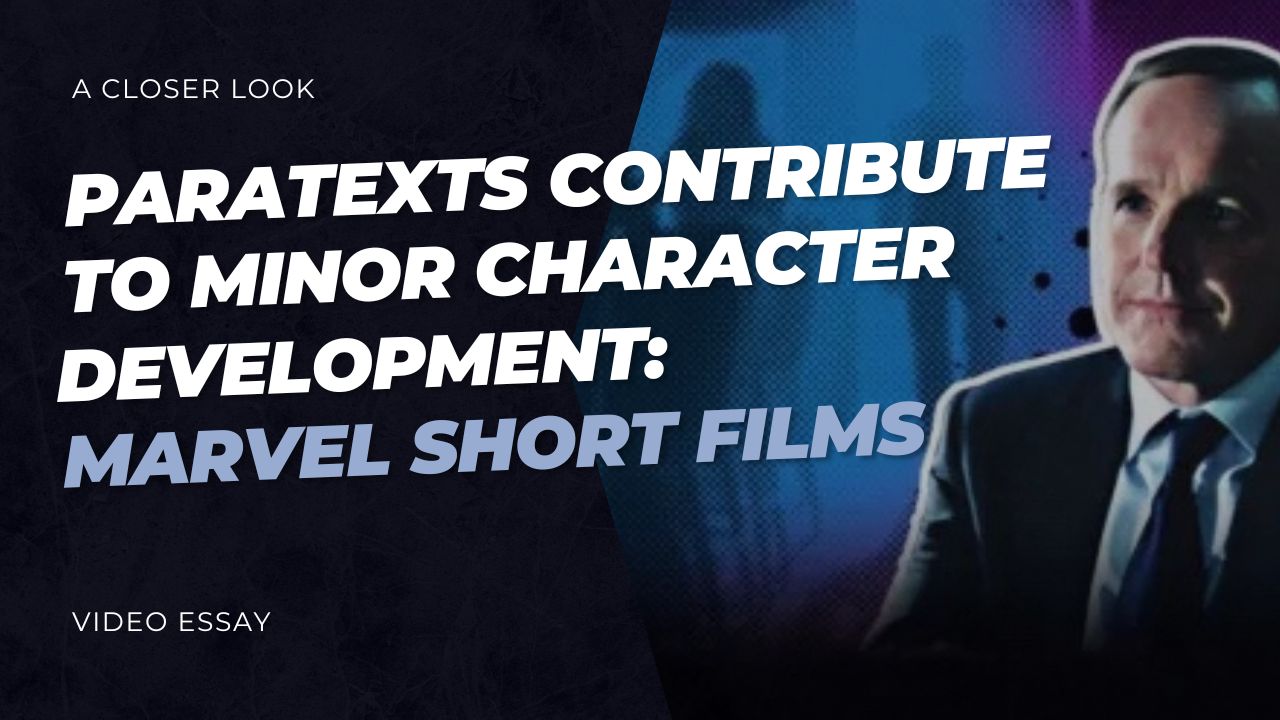
Marvel’s vast cinematic universe is known for its epic scope and iconic heroes, but what about the characters who rarely get the spotlight? This video essay takes a thoughtful look at how Marvel uses paratexts—short films, DVD extras, and other side media—to develop characters like Agent Phil Coulson in ways that the main films don’t always allow.
Through two of the Marvel One-Shots, The Consultant and A Funny Thing Happened on the Way to Thor’s Hammer, the essay explores how these shorts contribute to Coulson’s role in the broader universe. Drawing on theories of paratextuality and transmedia storytelling, it shows how minor characters can become more fully formed through small, focused stories that link different parts of a franchise together.
Rather than simply serving as marketing extras, these short films help ground the character in a more relatable, complex light. They also reveal how Marvel’s early experiments in transmedia storytelling used familiar figures to lead viewers into new corners of the MCU.
This essay is part of A Closer Look, a series of video essays created in collaboration with Southampton Solent University and hosted by Making Waves Film Festival. Each one offers a thoughtful perspective on a piece of moving image culture, seen through the lens of emerging critical voices.
A CLOSER LOOK: VIDEOGRAPHIC CRITICISM 2025 – Young video essayists comment on popular audio-visual culture. Produced as part of the BA (Hons) Film and Television degree at Southampton Solent University and brought to you by Making Waves Film Festival.
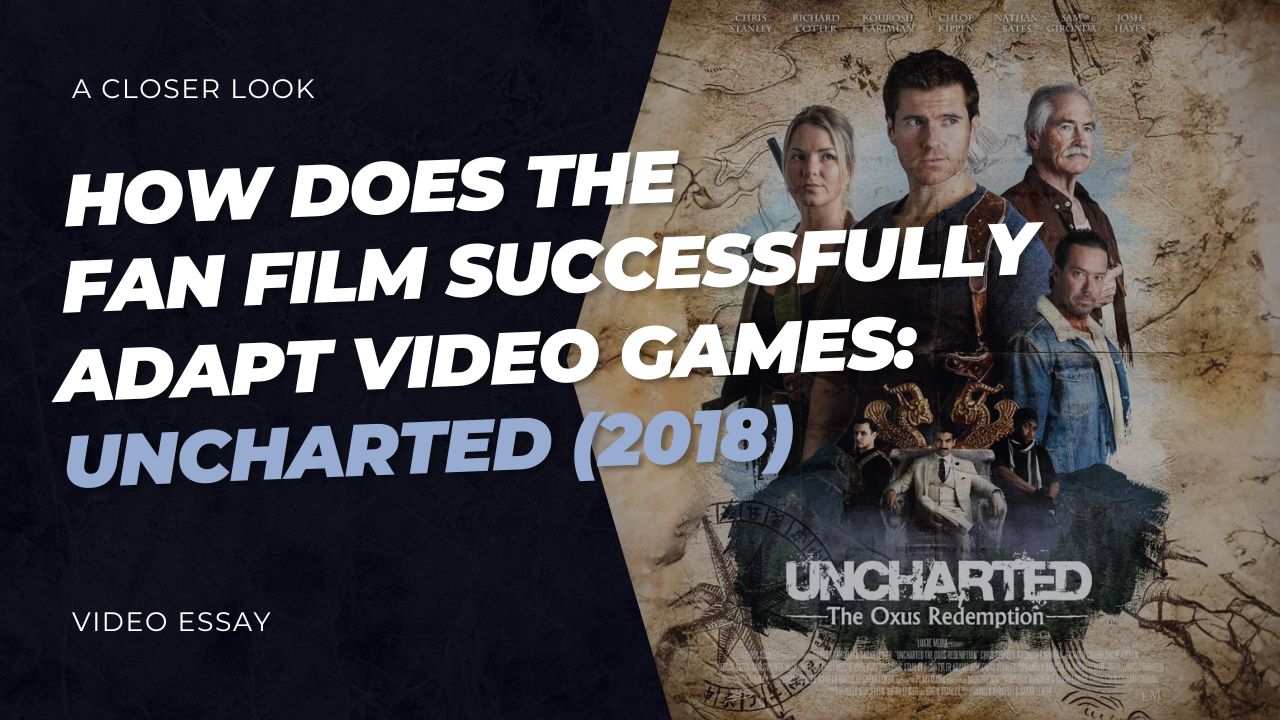
What makes a good video game adaptation? It’s a question Hollywood has struggled with more than once. This video essay takes a measured look at the 2018 Uncharted fan film and explores how it manages to capture the spirit of the games without relying on a direct remake.
Produced as part of the BA (Hons) Film and Television course at Southampton Solent University, the essay examines how the film adapts the tone, structure, and aesthetic of the source material while making smart decisions about what to change. Drawing on ideas from adaptation theory and Edgar Allan Poe’s concept of “unity of effect,” it shows how the short form can be used to distil the experience of a game into something coherent and engaging.
The video also considers the challenges of adapting an interactive medium into a non-interactive one, and how the filmmakers chose to work around those limits—through tightly edited action sequences, familiar character references, and visual choices that echo the game’s third-person camera style.
This essay is part of A Closer Look, a series of video essays created in collaboration with Southampton Solent University and hosted by Making Waves Film Festival. Each one offers a thoughtful perspective on a piece of moving image culture, seen through the lens of emerging critical voices.
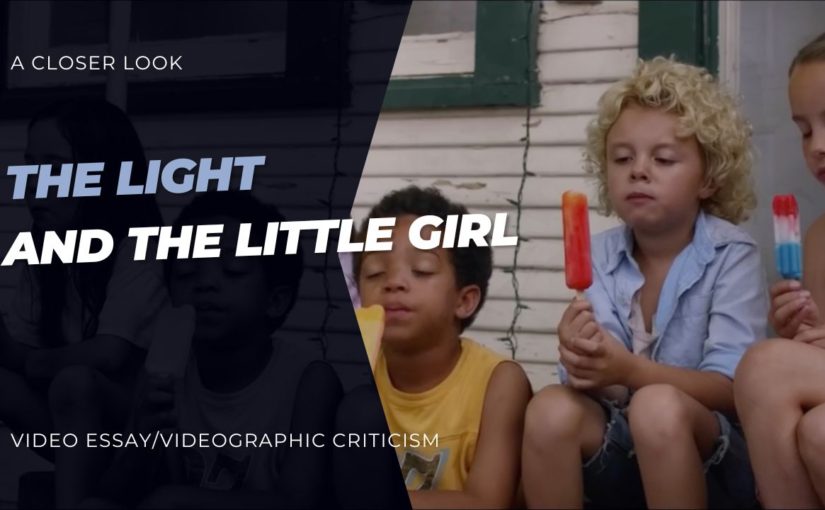
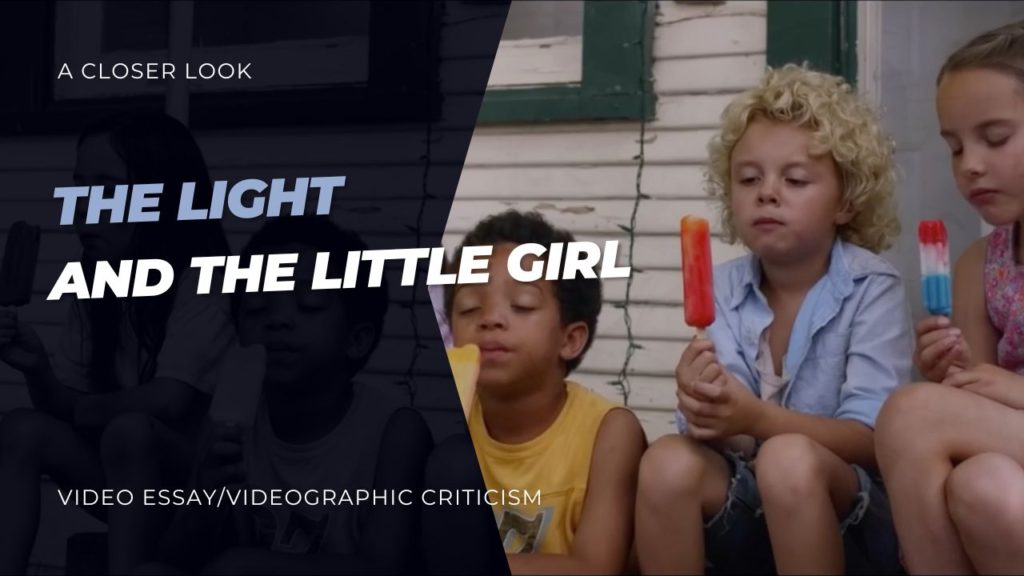
Love can be interpreted in endless variations, mainstream films might saturate this theme in nearly all possible variations. However, Alice Cockburn’s video essay, ‘The Light: and the little girl’ beams the light of insightful knowledge on exploring this theme innovatively and playfully. Let’s have a closer look at the Cinematography of Love in this short film with Alice Cockburn.
In a Ray of Love
Romantic films commonly present affection between humans and love for our animal friends or hobby. However, have you ever considered that someone can feel this mysterious sensation towards something less tangible? Something more ethereal? Alice started by exploring the short romantic film of cinematographer Jih-E Peng and Director Guy Poole. In her video essay, Alice narrates how this heartbreaking journey captured hearts worldwide. Also, It is about the unusual connection that makes the short film stand out from the popular film genre creatively and poetically. The title of this fascinating short film is ‘The Light and a little girl.’
Short Film about Love as a Poem
Accordingly, Alice Cockburn has found this theme fascinating. She explains how this film carries the love theme without unnecessary dialogue, it is pure Cinematography of Love. Also, How the director convinced the audience that the little girl truly developed her first short romantic relationship with a ray of sunlight. Therefore, Alice took on the challenge in her video essay to explain mastery of the film’s fluidity and comprehensive narration with no use of dialogue. Firstly, Alice has captured the essence of theoretical reasoning, which stands behind the fluidity and comprehensiveness of this masterpiece. Secondly, Alice enlighted those theories through the bright thinking of writers such as Edgar Allan Poe and John Ruskin. Ultimately, Alice’s video essay explains a correlation between this short film and Poe’s ‘Brief’ and how the brevity of this short film allows for a succinct experience of the first love and heartbreak.
The Cinematography of Love in a short film, The Light and the little girl.
Alice Cockburn: The Light: and the little girl No copyright strikes Premiere Tuesday 18th April 7 pm
The light and the little girl in short.
To summarise, Alice’s video essay is an insightful creation that shines through this short film by explaining this unusual connection between poem theories and film narration. The experience of watching this video essay was enlighting, a true exploration of the cinematography of love. I can’t wait to hear your thoughts about this video essay and film.
The cinematography of Love in a short film, the light and the little girl.
The cinematography of Love in a short film, the light and the little girl.
A Closer Look: moving image criticism
Young video essayists comment on popular audio-visual culture. Produced as part of the BA (Hons) Film and Television degree at Solent University and brought to you by Making Waves Film Festival.
If you liked reading The Cinematography of Love in a short film, the light and the little girl, you can consider sharing this or visiting our social media.
County Lines – a true story of gangs turning children into drug mulesFashion Reimagined – A mission for sustainabilityFamous Portsmouth – Les Miserables and TransformersImmersive Cinema and A Future Beyond Belief: Inside the Creative Producer’s HubMaking Waves No6 Cinema Takeover – a great couple of nights out!
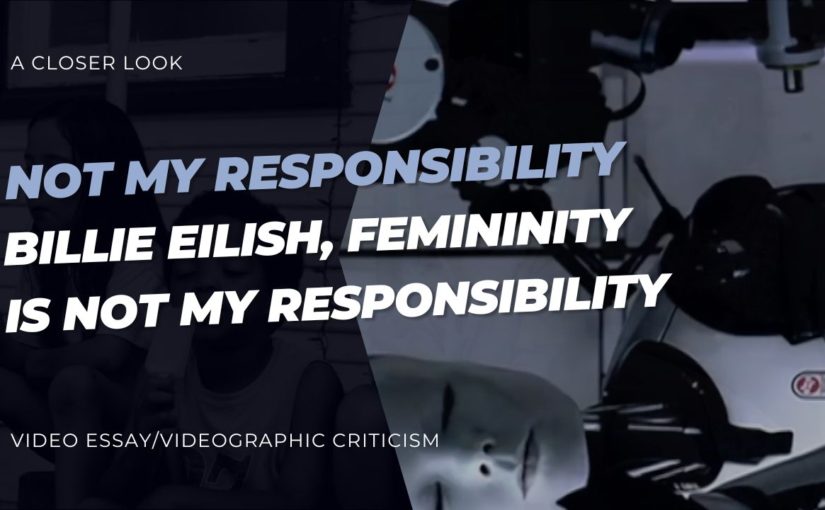
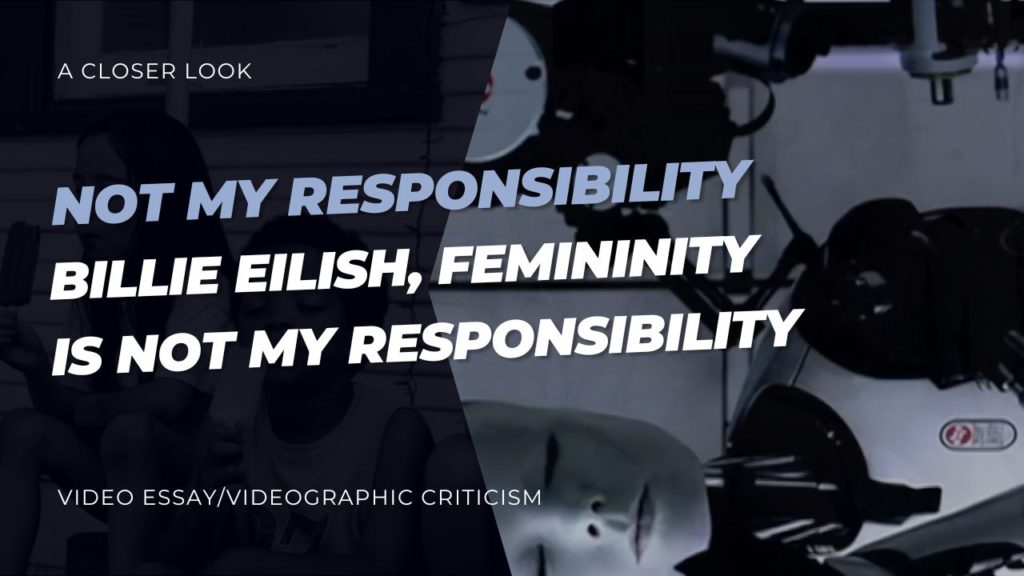
When Billie Eilish faced harsh criticism for shedding layers of her clothes, she reacted profoundly to the media scrutiny by using cinema, narration and music. Consequently, This inspired a young film theorist Phoebe Cowin. Thus Pheobe touched upon the both sensitive and actual topic of Billie Eilish’s ‘NOT MY RESPONSIBILITY – a short film.’
Media Without Subtext:
Billie Eilish had been facing waves of public condemnations for months after changing her style and became a hot topic for newsletters. Surprisingly, there are only a few interpretations of Eilish’s provocative message online. Also, most of the articles stagnate on narrating the narration of the short film and lack exposure to the subtext. However, Phoebe Cowin reached deeper into questions about Eilish’s choice to cover up and shed the layers. In like fashion, Pheobe explores those choices in her video essay ‘Not My Responsibility: Billie Eilish, femininity is not my responsibility.’
Femininity is not my Responsibility:
”Do you know me?” Billie Eilish fearlessly exposed her opinion about others’ opinions and the friction between the music industry and femininity in her personalised message ‘Not My Responsibility.’ Eilish addressed the consequences and criticisms which had arisen from her decision to conceal her body beneath oversized clothing. Thus, Phoebe Cowin picked up layers of the artist’s statements of female representation. Furthermore, she has taken the responsibility to undress the hidden forces that shape our perception of femininity and the pressures imposed on women in today’s media.
Billie Eilish Navigating Gender Performance:
Firstly Cowin leads from Billies questions and delves into the established norms and expectations placed upon women. For instance, how does society enforce these norms? How do they affect women’s autonomy and agency? Who holds the authority to dictate how women should present themselves? How do these expectations influence our personal choices and self-perception? Secondly, Phoebe Cowin has built her video essay around those insightful inquiries and has shed light on the societal constructs that confine and define us. The essay as a whole invites us to reassess our own perspectives.
Billie Eilish Embracing Authenticity:
In a world driven by superficiality, Eilish challenges us to embrace authenticity. What happens when we resist societal standards and express ourselves on our own terms? How can we break free from the chains of judgment and embrace our true selves? How do artists separate their public persona from who they really are? Obviously, Cowin’s video essay uncovered many answers, but captives us by more profound questions about authenticity and scrutiny imposed through social norms and public eyes.
Phoebe Cowin: Not My Responsibility: Billie Eilish, femininity is not my responsibility
Copyright allowed to be used Premiere Tuesday 25th April 7 pm
Join the Conversation:
To summarise, Phoebe Cowin’s video essay is a call to action, urging us to engage in a broader conversation about gender, self-expression, and the pursuit of authenticity. By watching her thought-provoking analysis, we become active participants in reshaping societal narratives and dismantling oppressive constructs. Cowin’s creation aims to foster a more inclusive and accepting world.
A Closer Look: moving image criticism
Young video essayists comment on popular audio-visual culture. Produced as part of the BA (Hons) Film and Television degree at Solent University and brought to you by Making Waves Film Festival.
If you liked reading about Phoebe Cowin’s video essay Not My Responsibility: Billie Eilish, femininity is not my responsibility, you can consider sharing this or visiting our social media.
County Lines – a true story of gangs turning children into drug mulesFashion Reimagined – A mission for sustainabilityFamous Portsmouth – Les Miserables and TransformersImmersive Cinema and A Future Beyond Belief: Inside the Creative Producer’s HubMaking Waves No6 Cinema Takeover – a great couple of nights out!