Tag: image

  • A Closer Look: Pixar’s SparkShorts – Stories of Difference and Belonging

    A Closer Look: Pixar’s SparkShorts – Stories of Difference and Belonging

    Created by Lucy Jarvis

    A CLOSER LOOK: VIDEOGRAPHIC CRITICISM 2025 – Young video essayists comment on popular audio-visual culture. Produced as part of the BA (Hons) Film and Television degree at Southampton Solent University and brought to you by Making Waves Film Festival.

    Pixar’s SparkShorts project has offered something a little different from the studio’s usual polished feature films. These short films—made by emerging voices within the studio—often take on social themes in ways that feel more personal, more exploratory, and sometimes more daring than Pixar’s mainstream releases.

    This video essay looks closely at how the SparkShorts series engages with ideas of social difference. From questions of identity and belonging to depictions of disability, marginalisation, and emotional vulnerability, the essay considers how these short stories give space to characters and perspectives that might not typically take centre stage in big-budget animation.

    Rather than neatly resolved narratives, many of the SparkShorts dwell in complexity. They offer viewers a space to reflect, often using metaphor, fantasy, or pared-back realism to tackle real-world concerns. The essay explores how this shift in tone and style allows Pixar to experiment—while still holding onto the emotional core that defines its brand.

    As part of A Closer Look, this piece highlights how short-form animation can open doors to different kinds of stories—and why that matters for audiences of all ages.

    This essay is part of A Closer Look, a series of video essays created in collaboration with Southampton Solent University and hosted by Making Waves Film Festival. Each one offers a thoughtful perspective on a piece of moving image culture, seen through the lens of emerging critical voices.
  • A Closer Look: Pixar and the Emotional Impact of the Short Film Form

    A Closer Look: Pixar and the Emotional Impact of the Short Film Form

    Created by Dylan Waller Spray
    A CLOSER LOOK: VIDEOGRAPHIC CRITICISM 2025 – Young video essayists comment on popular audio-visual culture. Produced as part of the BA (Hons) Film and Television degree at Southampton Solent University and brought to you by Making Waves Film Festival.

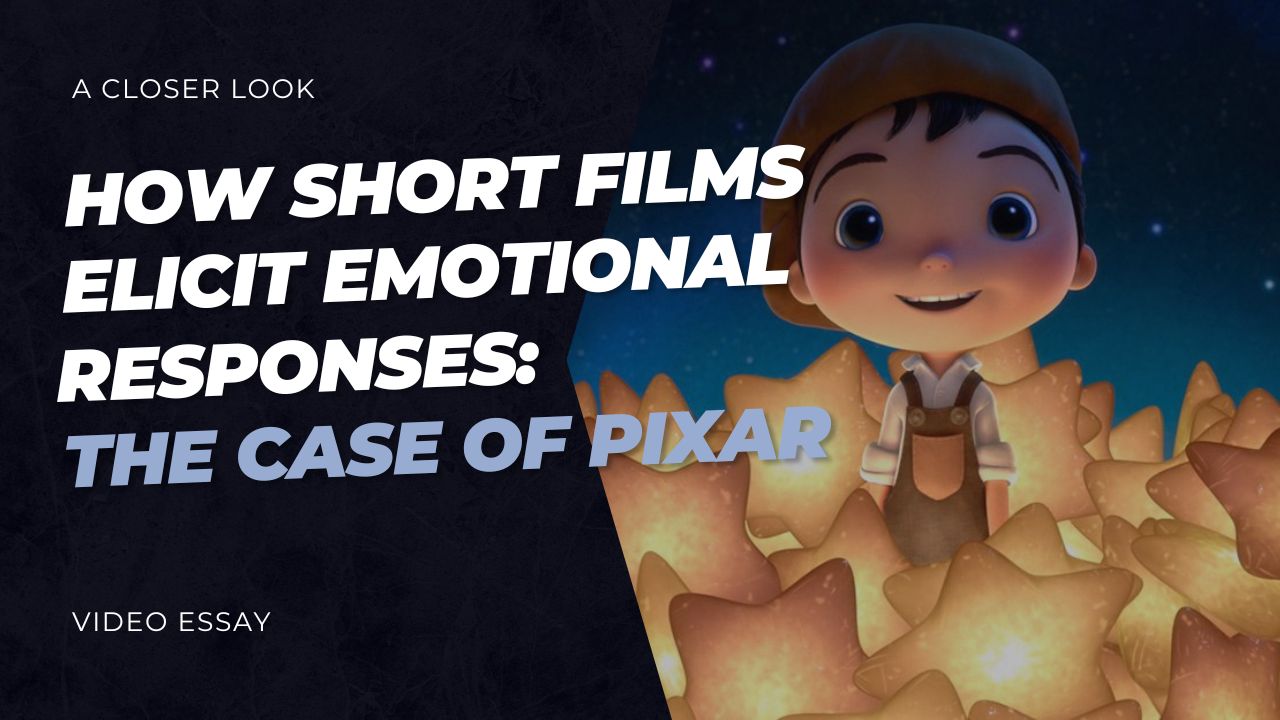
    What is it about Pixar’s short films that so often leave us feeling something deep, despite their brief running time? This video essay explores how Pixar consistently taps into powerful emotions—joy, sadness, nostalgia, even grief—through compact, visually driven storytelling.

    Rather than relying on dialogue-heavy scenes or extended plotlines, these shorts use simplicity, symbolism, and character design to draw audiences in. The essay considers how Pixar uses rhythm, visual cues, and carefully chosen moments to create emotional resonance in just a few minutes.

    From early experiments like Luxo Jr. to more recent pieces such as Purl and Out, the video reflects on how the studio crafts experiences that feel intimate and universal at the same time. It also touches on how brevity itself can heighten emotion, making each beat land with greater weight.

    As part of the A Closer Look series, this essay highlights how short films—especially in the hands of skilled storytellers—can leave a lasting emotional impression.

    This essay is part of A Closer Look, a series of video essays created in collaboration with Southampton Solent University and hosted by Making Waves Film Festival. Each one offers a thoughtful perspective on a piece of moving image culture, seen through the lens of emerging critical voices.
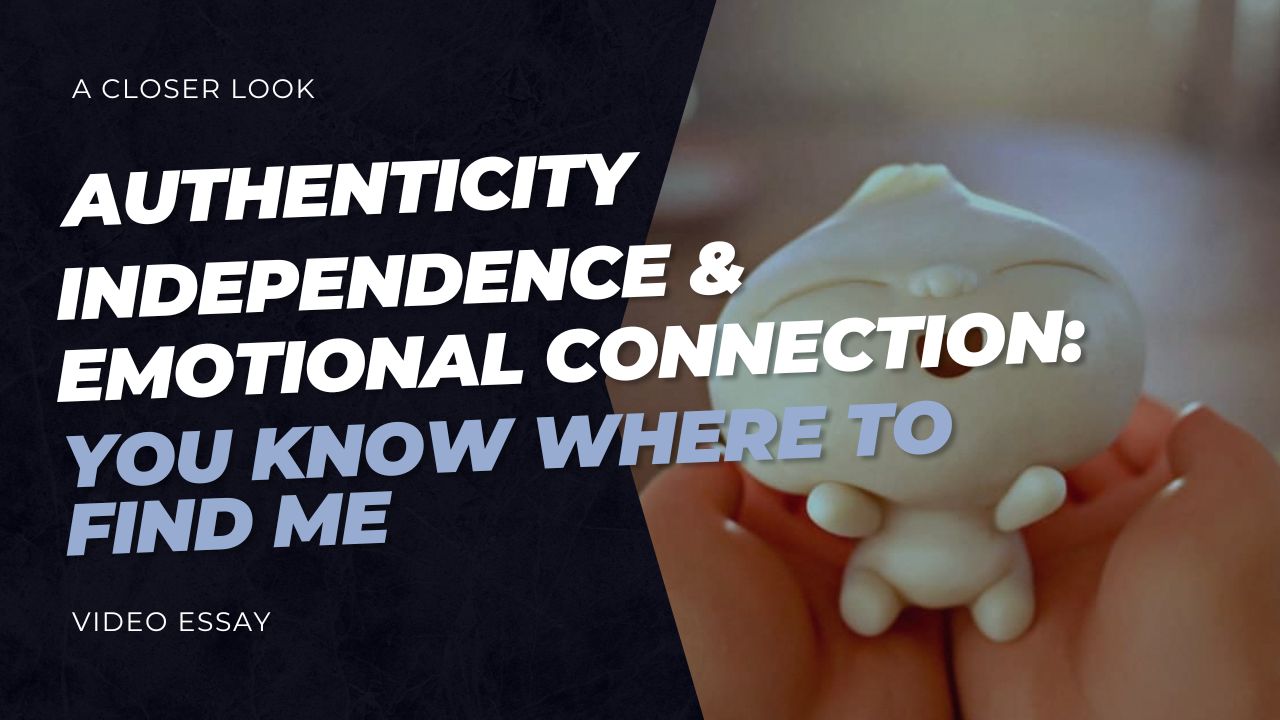
  • A Closer Look: You Know Where to Find Me – Intimacy, Independence, and Emotion in Short Film

    A Closer Look: You Know Where to Find Me – Intimacy, Independence, and Emotion in Short Film

    Created by Joseph Horstead

    A CLOSER LOOK: VIDEOGRAPHIC CRITICISM 2025 – Young video essayists comment on popular audio-visual culture. Produced as part of the BA (Hons) Film and Television degree at Southampton Solent University and brought to you by Making Waves Film Festival.

    Short films are often talked about as stepping stones—early sketches for something bigger. But what happens when a short stands fully on its own? This video essay focuses on You Know Where to Find Me, a quietly powerful short directed by Sam Davis, and asks how the film creates emotional depth through simplicity and restraint.

    Centred on Frankie, a young man with an intellectual disability moving into his own home, the film explores themes of independence, attachment, and the subtle tensions that come with growing up. It draws on Richard Raskin’s parameters for strong short film storytelling and shows how choices in image, sound, and structure work together to shape a compelling emotional impression.

    Rather than expanding into multiple storylines, the film stays with Frankie and his mother, allowing their bond to take centre stage. Small gestures and moments—like a telephone call or a lingering look through a keyhole—carry real weight. It’s this focus that gives the film its strength: it doesn’t try to do too much, but what it does, it does with care.

    The video essay positions You Know Where to Find Me as a film that isn’t aiming to be a trailer for something else. It’s a self-contained story about love, anxiety, and learning how to let go—even if just across the street.

    This essay is part of A Closer Look, a series of video essays created in collaboration with Southampton Solent University and hosted by Making Waves Film Festival. Each one offers a thoughtful perspective on a piece of moving image culture, seen through the lens of emerging critical voices.
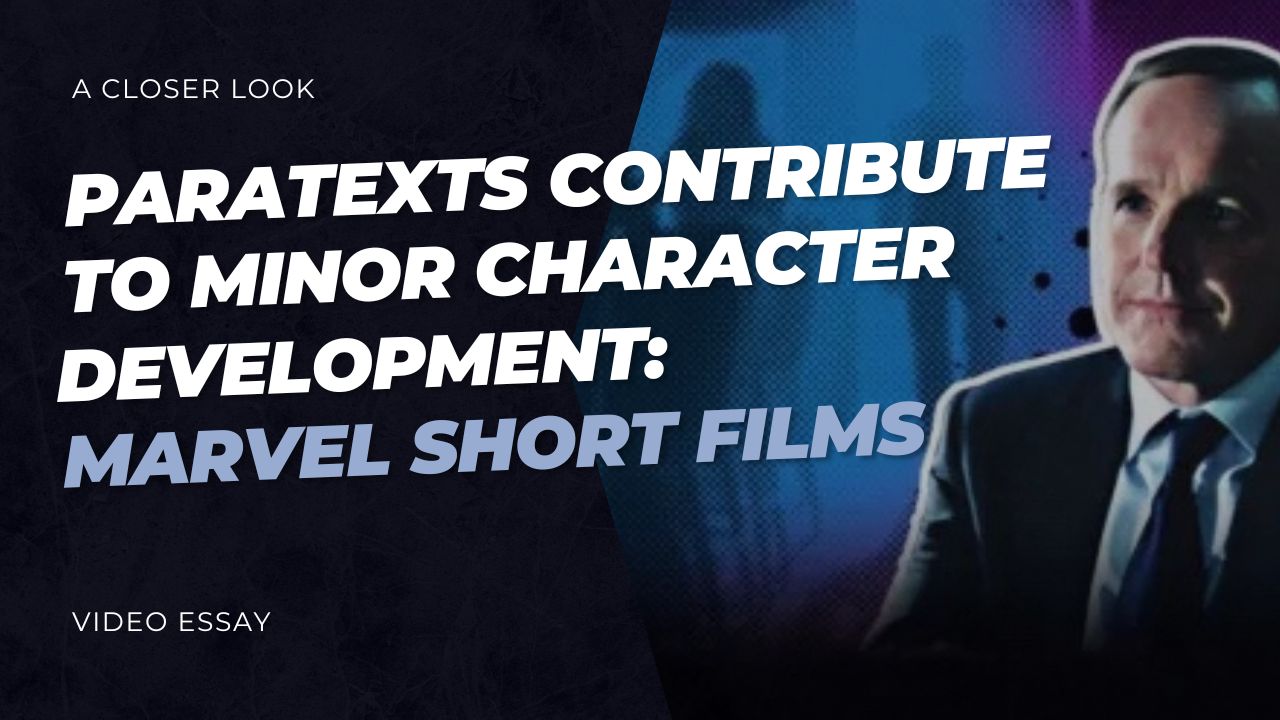
  • A Closer Look: Marvel Shorts – How side stories shape side characters

    A Closer Look: Marvel Shorts – How side stories shape side characters

    Created by Callum Gates

    A CLOSER LOOK: VIDEOGRAPHIC CRITICISM 2025 – Young video essayists comment on popular audio-visual culture. Produced as part of the BA (Hons) Film and Television degree at Southampton Solent University and brought to you by Making Waves Film Festival.

    Marvel’s vast cinematic universe is known for its epic scope and iconic heroes, but what about the characters who rarely get the spotlight? This video essay takes a thoughtful look at how Marvel uses paratexts—short films, DVD extras, and other side media—to develop characters like Agent Phil Coulson in ways that the main films don’t always allow.

    Through two of the Marvel One-Shots, The Consultant and A Funny Thing Happened on the Way to Thor’s Hammer, the essay explores how these shorts contribute to Coulson’s role in the broader universe. Drawing on theories of paratextuality and transmedia storytelling, it shows how minor characters can become more fully formed through small, focused stories that link different parts of a franchise together.

    Rather than simply serving as marketing extras, these short films help ground the character in a more relatable, complex light. They also reveal how Marvel’s early experiments in transmedia storytelling used familiar figures to lead viewers into new corners of the MCU.

    This essay is part of A Closer Look, a series of video essays created in collaboration with Southampton Solent University and hosted by Making Waves Film Festival. Each one offers a thoughtful perspective on a piece of moving image culture, seen through the lens of emerging critical voices.
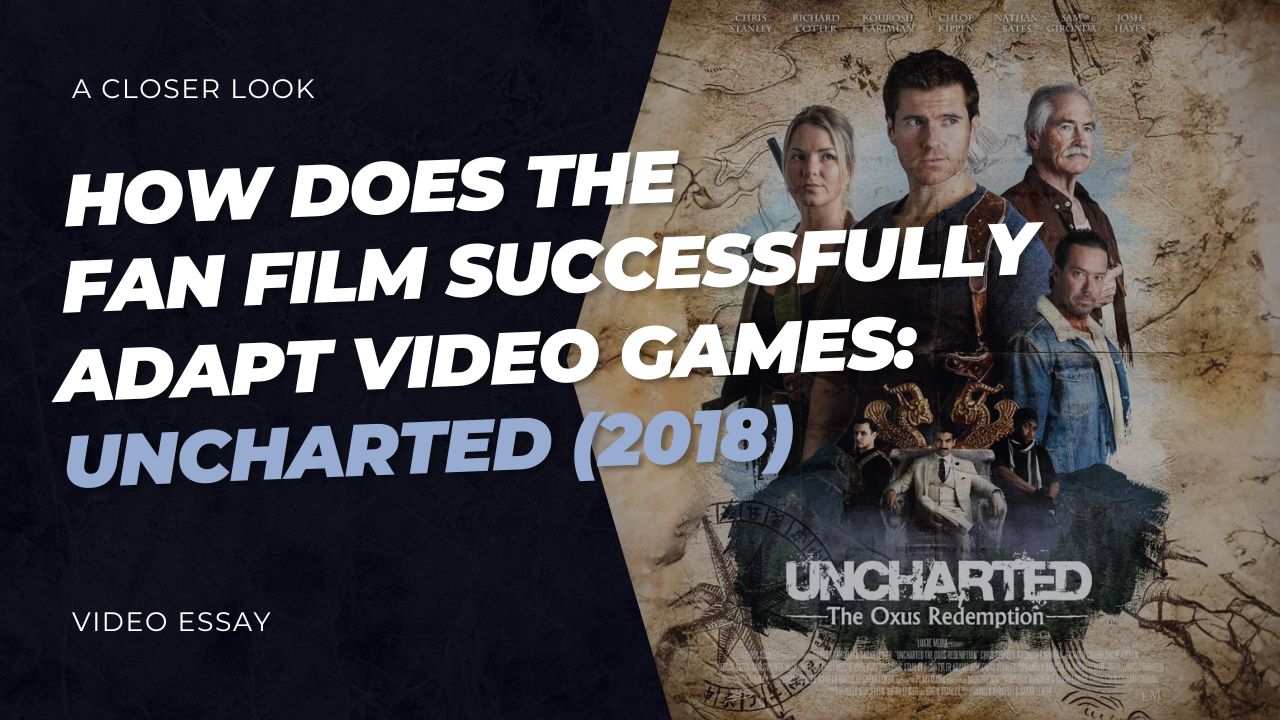
  • A Closer Look: Uncharted – How fan filmmakers beat Hollywood at their own game

    A Closer Look: Uncharted – How fan filmmakers beat Hollywood at their own game

    Created by Brad Whittam

    A CLOSER LOOK: VIDEOGRAPHIC CRITICISM 2025 – Young video essayists comment on popular audio-visual culture. Produced as part of the BA (Hons) Film and Television degree at Southampton Solent University and brought to you by Making Waves Film Festival.

    What makes a good video game adaptation? It’s a question Hollywood has struggled with more than once. This video essay takes a measured look at the 2018 Uncharted fan film and explores how it manages to capture the spirit of the games without relying on a direct remake.

    Produced as part of the BA (Hons) Film and Television course at Southampton Solent University, the essay examines how the film adapts the tone, structure, and aesthetic of the source material while making smart decisions about what to change. Drawing on ideas from adaptation theory and Edgar Allan Poe’s concept of “unity of effect,” it shows how the short form can be used to distil the experience of a game into something coherent and engaging.

    The video also considers the challenges of adapting an interactive medium into a non-interactive one, and how the filmmakers chose to work around those limits—through tightly edited action sequences, familiar character references, and visual choices that echo the game’s third-person camera style.

    This essay is part of A Closer Look, a series of video essays created in collaboration with Southampton Solent University and hosted by Making Waves Film Festival. Each one offers a thoughtful perspective on a piece of moving image culture, seen through the lens of emerging critical voices.
  • Famous Portsmouth – Les Miserables and Transformers

    Famous Portsmouth – Les Miserables and Transformers

    We all wonder about the spectacle of film and fame. Could you have been standing where famous filmmakers and actors once stood? Amazingly, the answer is potentially ‘yes’ as there are several examples of feature length films that have used a Portsmouth (or close by Hampshire area) as a key part of their blockbuster movie.

    In this second instalment of Making Waves’ Famous Portsmouth, I dive into two more household names.

    Les Miserables, Tom Hooper (2012)

    Tom Hooper’s Les Miserables is one of many adaptations of the drama that follows the life of convict Jean Valjean (Hugh Jackman) who fights to build a new life in the midst of revolution beginning to brew.

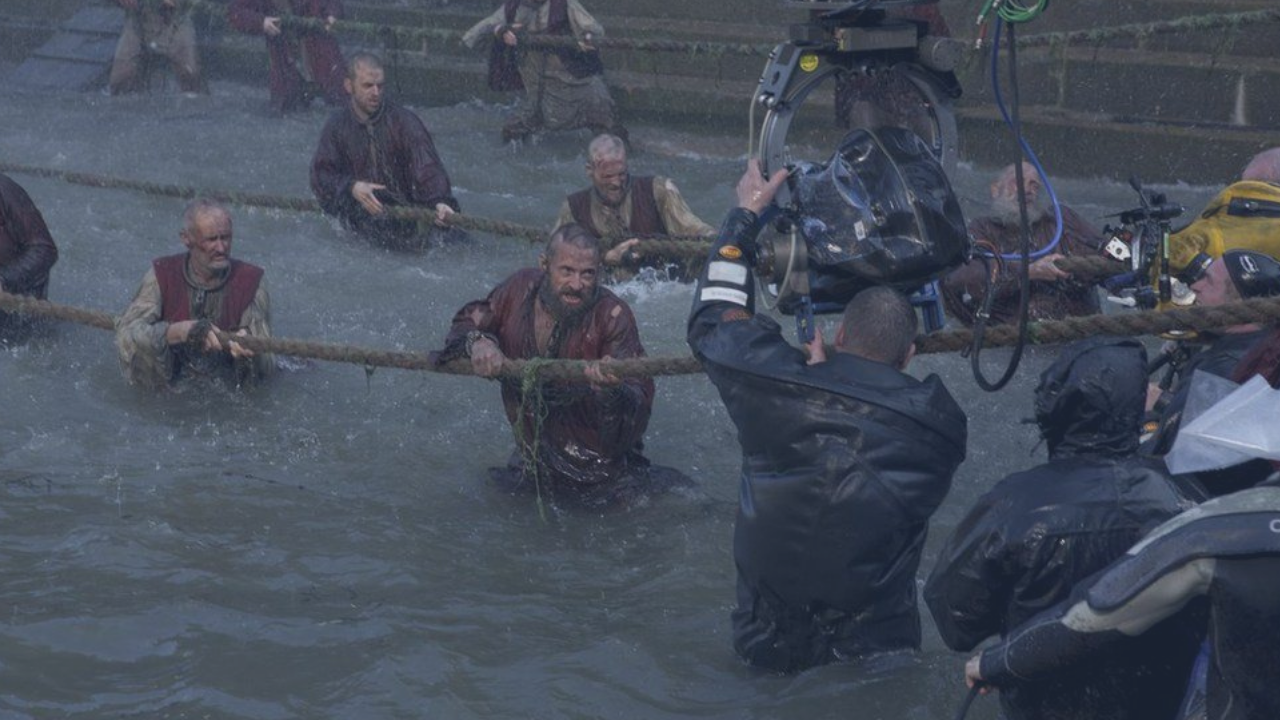
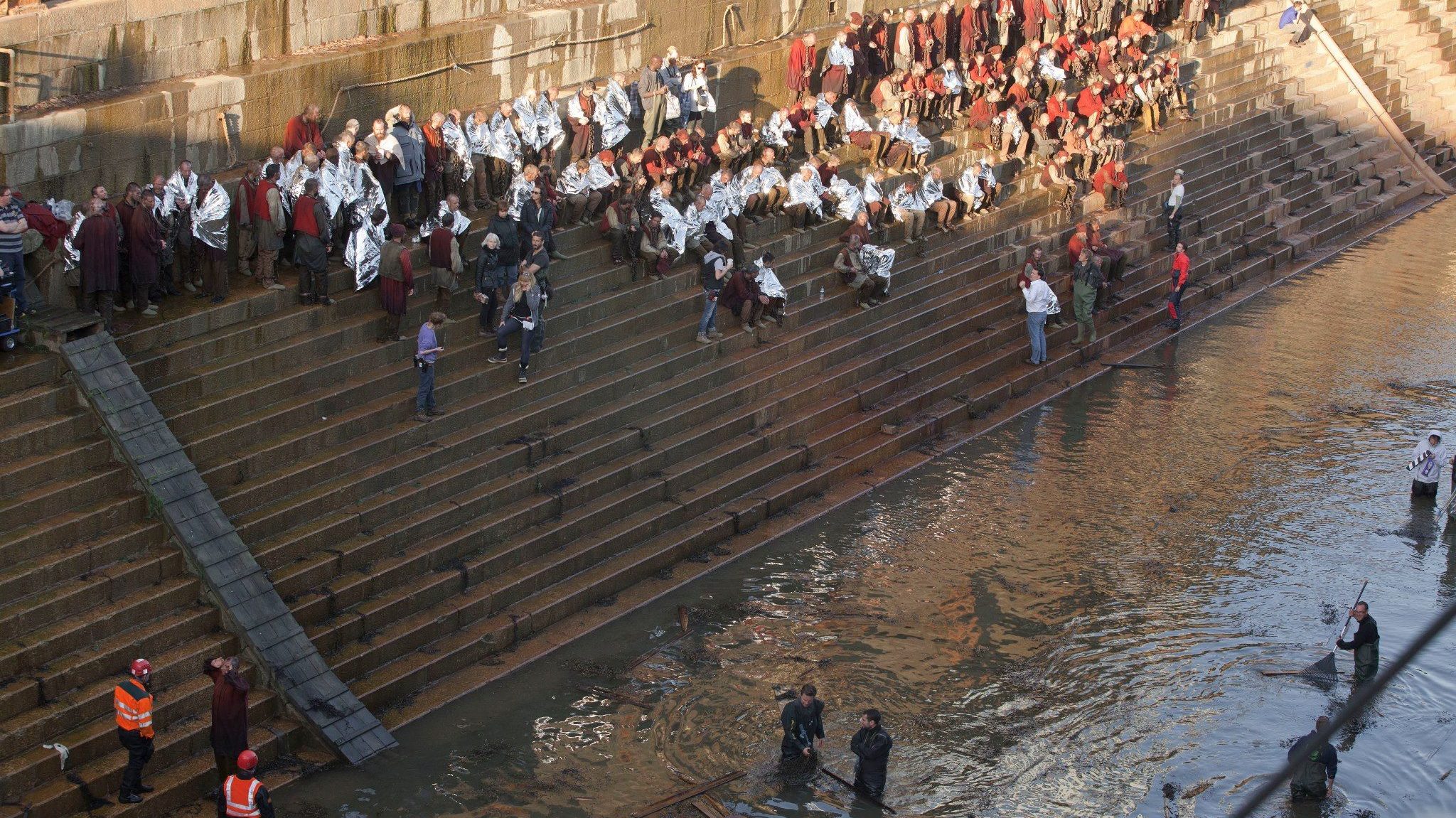
    Portsmouth’s own Historic Dockyard is used in the gritty opening of the film where Jean Valjean is among the convicts pulling a ship into the dockyard. This behind the scenes video goes into more detail on The Dockyard’s famous moment.

    Cast and crew at Portsmouth historic dockyard for filming of Les Miserables
    Cast and crew at the historic dockyard for filming of Les Miserables

    Transformers: The Last Knight, Michael Bay (2017)

    Humans are at war with the Transformers, and Optimus Prime is gone. Transformers: The Last Knight brings together inventor Cade Yeager, Bumblebee, an English lord and an Oxford professor to save the world.

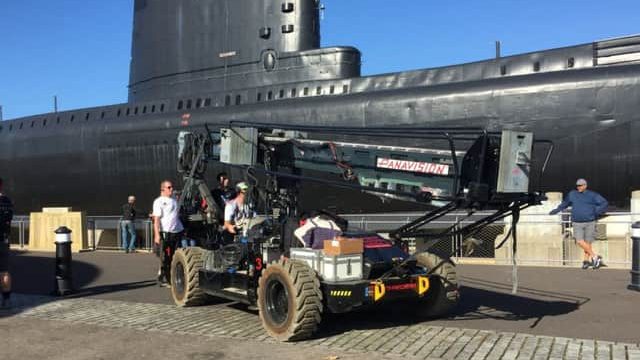
    Going slightly further afield, The Royal Navy Submarine Museum in Gosport was used as a location for the film, welcoming A-Listers Sir Anthony Hopkins and Mark Wahlberg. HMS Alliance was also used as a location for the film with scenes filmed on board the boat over three days. Again, this behind the scenes video goes into more detail. 

    Crew with HMS Alliance for Transformers: The Last Knight
    Crew with HMS Alliance for Transformers: The Last Knight

    You can find more in this series by clicking here. Thanks for stopping by!

  • Famous Portsmouth – No Time To Die and Tommy

    Famous Portsmouth – No Time To Die and Tommy

    We all wonder about the spectacle of film and fame. Could you have been standing where famous filmmakers and actors once stood? Amazingly, the answer is potentially ‘yes’ as there are several examples of feature length films that have used a Portsmouth (or close by Hampshire area) as a key part of their blockbuster movie. Today I’m going to break down two of them.

    No Time To Die, Cary Joji Fukunaga (2021)

    The final instalment of Daniel Craig’s Bond journey, No Time To Die, finds him after leaving active service, searching for a tranquil life. However, after an old friend shows up, he ends up on the trail of a mysterious villain who’s armed with a dangerous new technology.

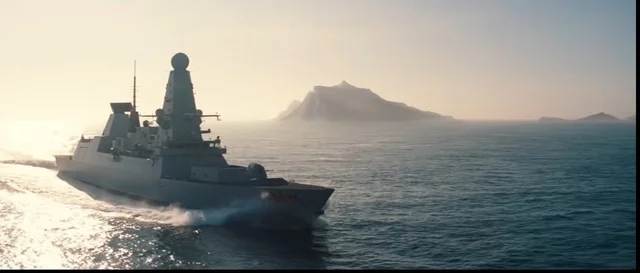
    Despite the unimaginable scale of a Bond film, Portsmouth still found a place in it. Film crews were spotted in the waters between Portsmouth and the Isle of Wight in 2019 filming boats and helicopters. HMS Dragon, a Type 45 warship based in Portsmouth, was also used in scenes filmed in secret pre-pandemic. HMS Dragon can be seen in the final trailer at around 1m50s.

    Portsmouth’s HMS Dragon in No Time To Die, (2021)

    Tommy, Ken Russell (1975)

    One of the most famous examples is Ken Russell’s Tommy filmed all over 70s Portsmouth. The film follows deaf, mute and blind Tommy. As a teenager, he stumbles upon a pinball machine and as he becomes a pinball champion and later the messiah of a religious cult.

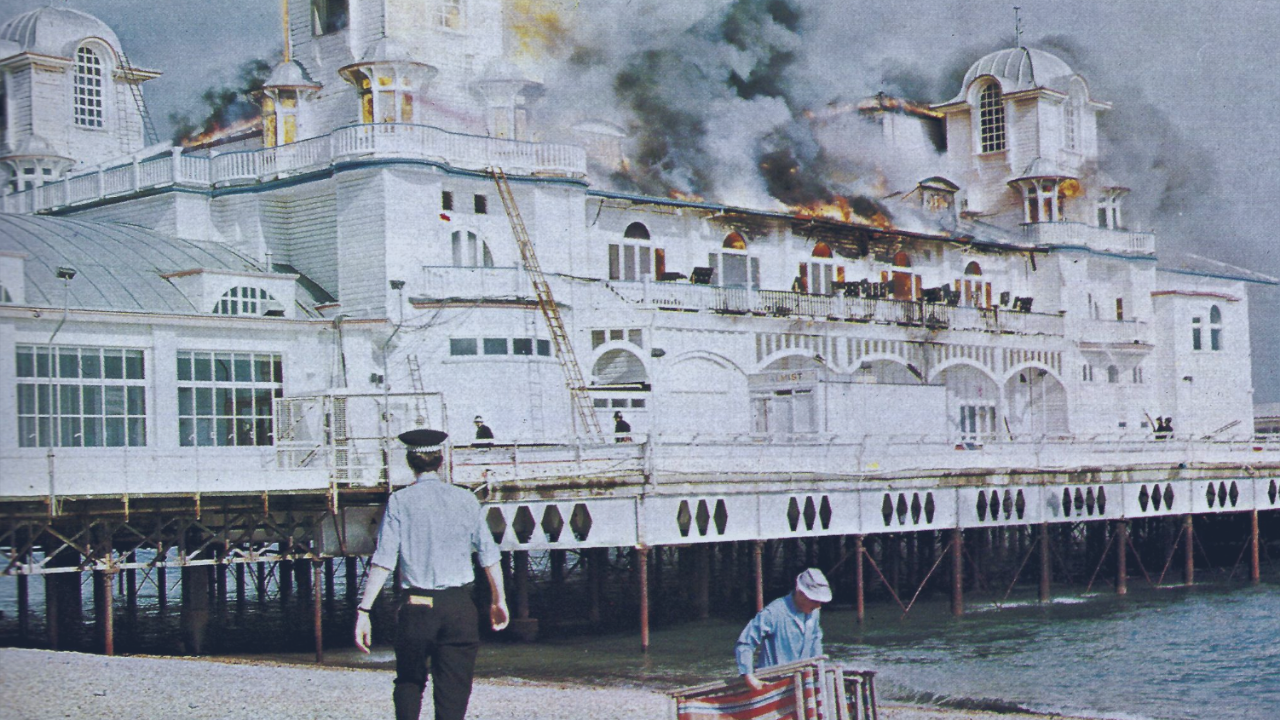
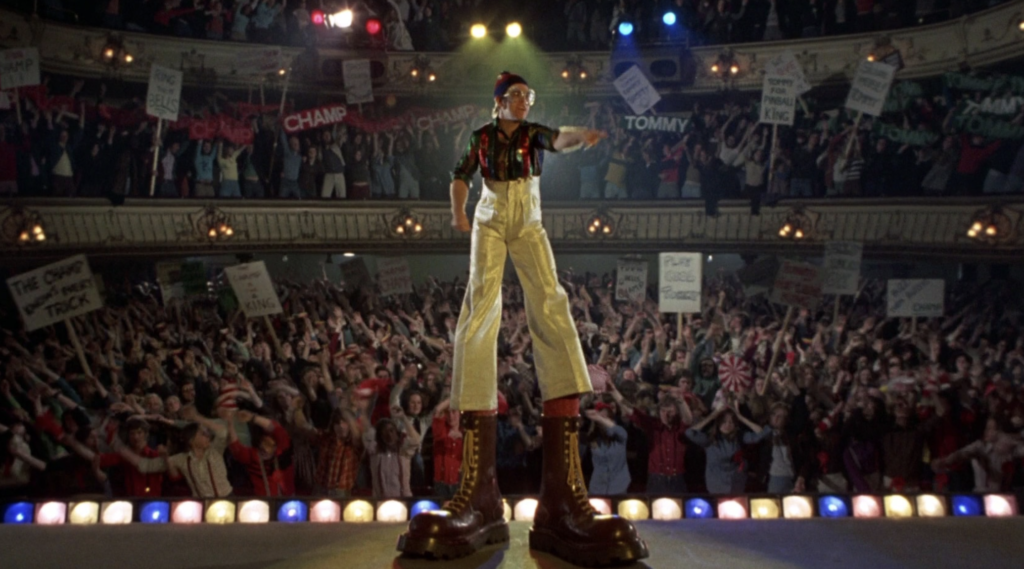
    Apart from Tommy’s birth, the rest of the movie was shot around Portsmouth and nearby Hayling Island. Fort Purbrook and the King’s Theatre also feature but the film’s most famous location is South Parade Pier. During filming it burned for the third time since its construction and the film included the event in the movie’s climax (which can be seen at the top of this post!).

    Elton John at the King’s Theatre, Tommy, (1975)

    You can find more in this series by clicking here. Thanks for stopping by!

  • Inner workings: psychological conflict in short films

    Inner workings: psychological conflict in short films

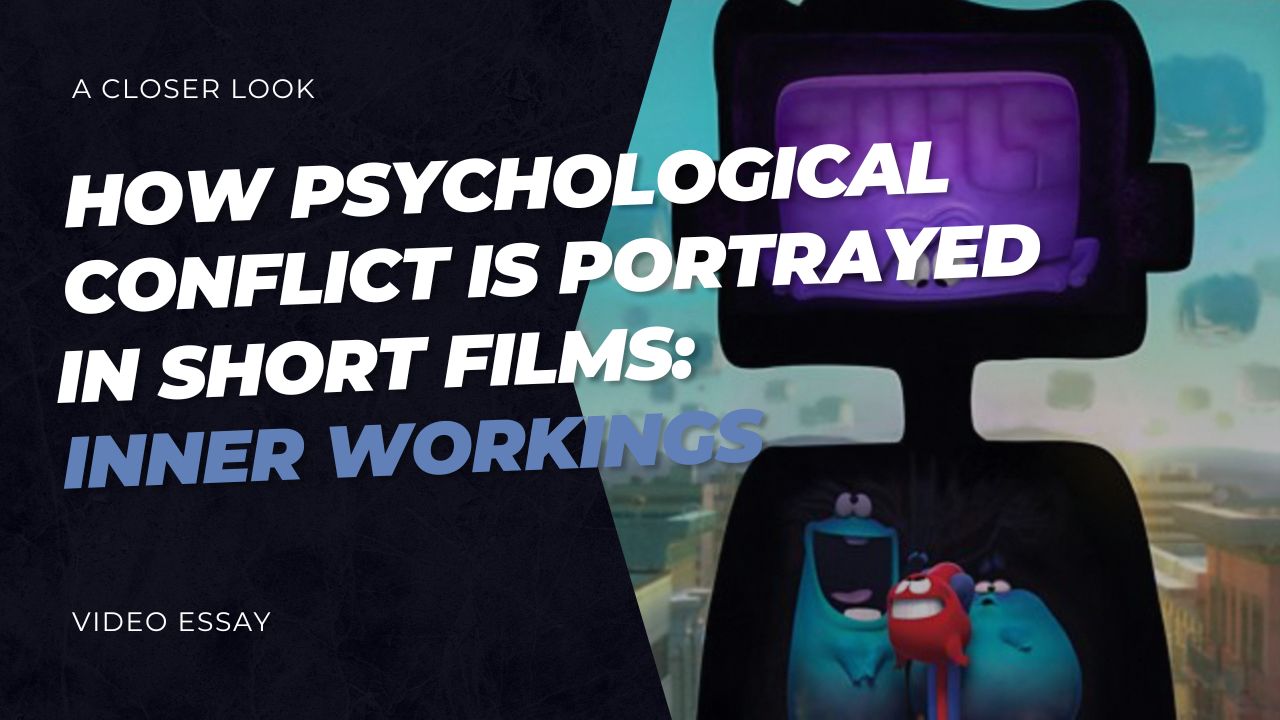
    How is psychological conflict explored in the short film form? George Onslow takes a closer look at the “Inner Workings” (2016) Disney Pixar short, picking apart the creative choices the creators made and how they represent the protagonist’s inner battles and conflict.

    Young video essayists comment on popular audio-visual culture. Produced as part of the BA (Hons) Film and Television degree at Solent University and brought to you by Making Waves Film Festival.

    Released 16:00 Thurs 20th Oct 2022

  • Fashion in the short film: brand and identity

    Fashion in the short film: brand and identity

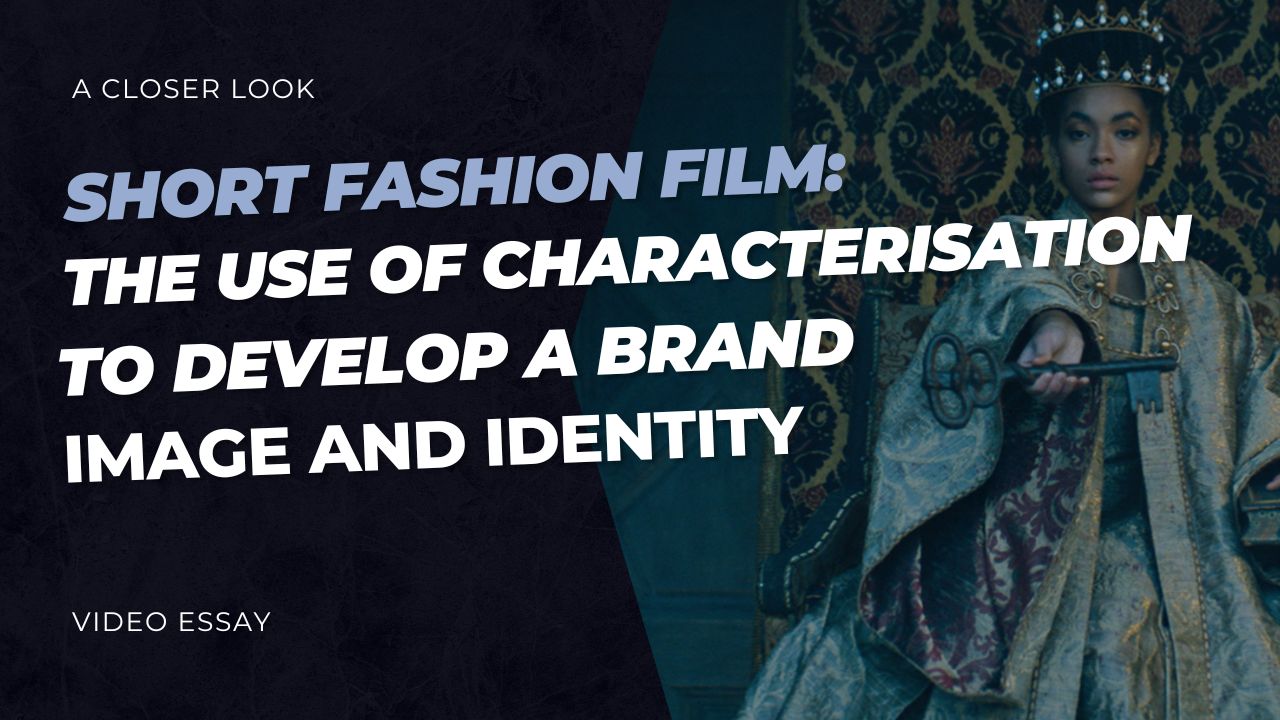
    Characterisation is an increasingly important aspect of the fashion film – it allows a brand to push forward its identity and image. In this video essay, Harrison Armstrong focuses on the “short fashion film”, analysing how characterisation functions within a narrative to communicate brand identity.

    Young video essayists comment on popular audio-visual culture. Produced as part of the BA (Hons) Film and Television degree at Solent University and brought to you by Making Waves Film Festival.

    Released Tues 16:00 18th Oct 2022

  • Contemporary socio-political ideologies in the short film

    Contemporary socio-political ideologies in the short film

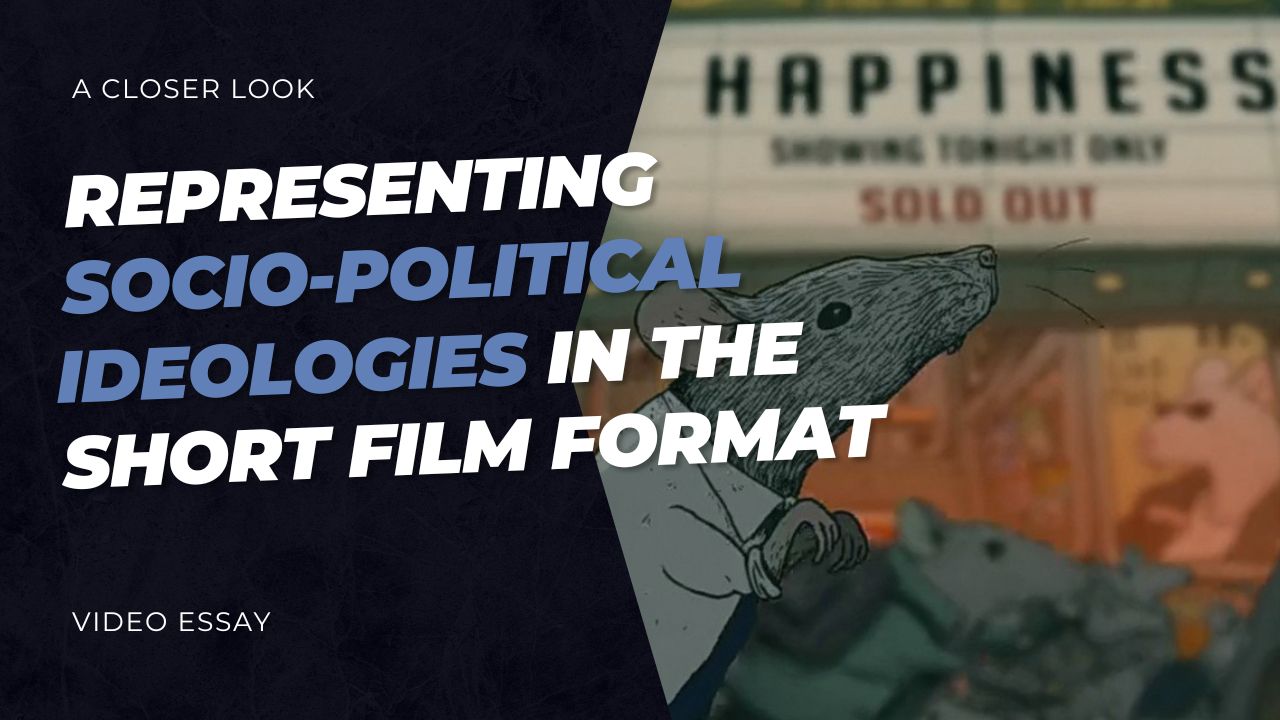
    Animated films have historically been dismissed as merely children-only entertainment. Fortunately, audiences nowadays are savvier and understand its cultural significance. In this video essay, Jake Cooper looks closer at “Happiness” (2017), and how the director Steve Cutts uses the form to convey contemporary socio-political ideologies.

    Young video essayists comment on popular audio-visual culture. Produced as part of the BA (Hons) Film and Television degree at Solent University and brought to you by Making Waves Film Festival.

    Released Thurs 16:00 13th Oct 2022