Tag: short films

  • The cinematography of Love, ‘The Light: and the Little Girl.’

    The cinematography of Love, ‘The Light: and the Little Girl.’

    Love can be interpreted in endless variations, mainstream films might saturate this theme in nearly all possible variations. However, Alice Cockburn’s video essay, ‘The Light: and the little girl’ beams the light of insightful knowledge on exploring this theme innovatively and playfully. Let’s have a closer look at the Cinematography of Love in this short film with Alice Cockburn.

    In a Ray of Love

    Romantic films commonly present affection between humans and love for our animal friends or hobby. However, have you ever considered that someone can feel this mysterious sensation towards something less tangible? Something more ethereal? Alice started by exploring the short romantic film of cinematographer Jih-E Peng and Director Guy Poole. In her video essay, Alice narrates how this heartbreaking journey captured hearts worldwide. Also, It is about the unusual connection that makes the short film stand out from the popular film genre creatively and poetically. The title of this fascinating short film is ‘The Light and a little girl.’

    Short Film about Love as a Poem

    Accordingly, Alice Cockburn has found this theme fascinating. She explains how this film carries the love theme without unnecessary dialogue, it is pure Cinematography of Love. Also, How the director convinced the audience that the little girl truly developed her first short romantic relationship with a ray of sunlight. Therefore, Alice took on the challenge in her video essay to explain mastery of the film’s fluidity and comprehensive narration with no use of dialogue. Firstly, Alice has captured the essence of theoretical reasoning, which stands behind the fluidity and comprehensiveness of this masterpiece. Secondly, Alice enlighted those theories through the bright thinking of writers such as Edgar Allan Poe and John Ruskin. Ultimately, Alice’s video essay explains a correlation between this short film and Poe’s ‘Brief’ and how the brevity of this short film allows for a succinct experience of the first love and heartbreak.

    The Cinematography of Love in a short film, The Light and the little girl.

    Alice Cockburn: The Light: and the little girl
    No copyright strikes 
    Premiere Tuesday 18th April 7 pm 

    The light and the little girl in short.

    To summarise, Alice’s video essay is an insightful creation that shines through this short film by explaining this unusual connection between poem theories and film narration. The experience of watching this video essay was enlighting, a true exploration of the cinematography of love. I can’t wait to hear your thoughts about this video essay and film.

    The cinematography of Love in a short film, the light and the little girl.
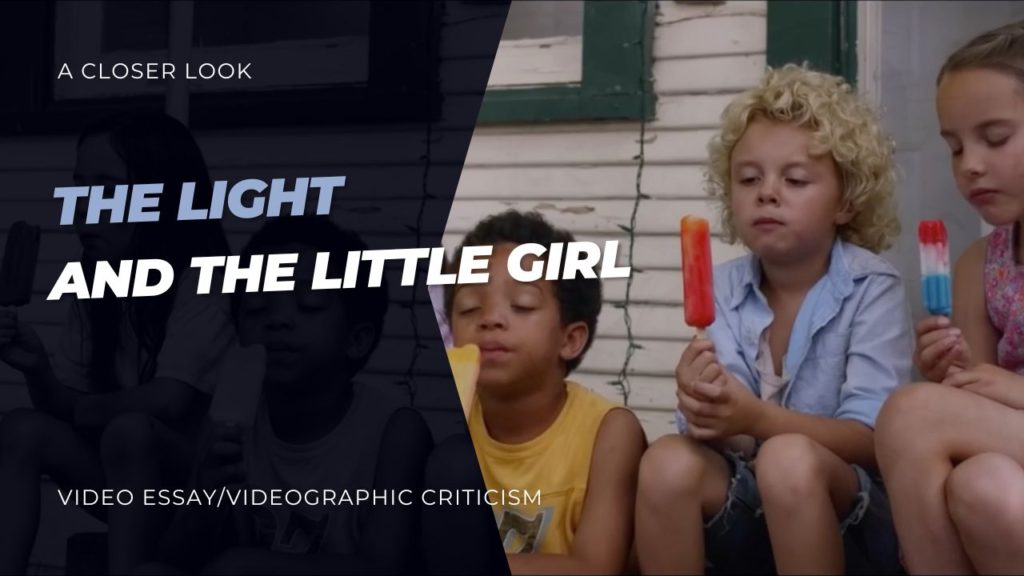
    The light and the little girl
    The cinematography of Love in a short film, the light and the little girl.

    A Closer Look: moving image criticism

    Young video essayists comment on popular audio-visual culture. Produced as part of the BA (Hons) Film and Television degree at Solent University and brought to you by Making Waves Film Festival.


    If you liked reading The Cinematography of Love in a short film, the light and the little girl, you can consider sharing this or visiting our social media.
  • Undressing Billie Eilish’s message in Phoebe Cowin’s video essay Not My Responsibility: Billie Eilish, femininity is not my responsibility

    Undressing Billie Eilish’s message in Phoebe Cowin’s video essay Not My Responsibility: Billie Eilish, femininity is not my responsibility

    When Billie Eilish faced harsh criticism for shedding layers of her clothes, she reacted profoundly to the media scrutiny by using cinema, narration and music. Consequently, This inspired a young film theorist Phoebe Cowin. Thus Pheobe touched upon the both sensitive and actual topic of Billie Eilish’s ‘NOT MY RESPONSIBILITY – a short film.’

    Media Without Subtext:

    Billie Eilish had been facing waves of public condemnations for months after changing her style and became a hot topic for newsletters. Surprisingly, there are only a few interpretations of Eilish’s provocative message online. Also, most of the articles stagnate on narrating the narration of the short film and lack exposure to the subtext. However, Phoebe Cowin reached deeper into questions about Eilish’s choice to cover up and shed the layers. In like fashion, Pheobe explores those choices in her video essay ‘Not My Responsibility: Billie Eilish, femininity is not my responsibility.’

    Phoebe Cowin sheds layers of Billie Eilish's message in the video essay, about Billie Eilish 'NOT MY RESPONSIBILITY - a short film.'

    Femininity is not my Responsibility:

    ”Do you know me?” Billie Eilish fearlessly exposed her opinion about others’ opinions and the friction between the music industry and femininity in her personalised message ‘Not My Responsibility.’ Eilish addressed the consequences and criticisms which had arisen from her decision to conceal her body beneath oversized clothing. Thus, Phoebe Cowin picked up layers of the artist’s statements of female representation. Furthermore, she has taken the responsibility to undress the hidden forces that shape our perception of femininity and the pressures imposed on women in today’s media.

    Billie Eilish Navigating Gender Performance:

    Firstly Cowin leads from Billies questions and delves into the established norms and expectations placed upon women. For instance, how does society enforce these norms? How do they affect women’s autonomy and agency? Who holds the authority to dictate how women should present themselves? How do these expectations influence our personal choices and self-perception? Secondly, Phoebe Cowin has built her video essay around those insightful inquiries and has shed light on the societal constructs that confine and define us. The essay as a whole invites us to reassess our own perspectives.

    Billie Eilish Embracing Authenticity:

    In a world driven by superficiality, Eilish challenges us to embrace authenticity. What happens when we resist societal standards and express ourselves on our own terms? How can we break free from the chains of judgment and embrace our true selves? How do artists separate their public persona from who they really are? Obviously, Cowin’s video essay uncovered many answers, but captives us by more profound questions about authenticity and scrutiny imposed through social norms and public eyes.

    Phoebe Cowin: Not My Responsibility: Billie Eilish, femininity is not my responsibility

    Copyright allowed to be used 
    Premiere Tuesday 25th April 7 pm

    Join the Conversation:

    To summarise, Phoebe Cowin’s video essay is a call to action, urging us to engage in a broader conversation about gender, self-expression, and the pursuit of authenticity. By watching her thought-provoking analysis, we become active participants in reshaping societal narratives and dismantling oppressive constructs. Cowin’s creation aims to foster a more inclusive and accepting world.

    A Closer Look: moving image criticism

    Young video essayists comment on popular audio-visual culture. Produced as part of the BA (Hons) Film and Television degree at Solent University and brought to you by Making Waves Film Festival.

    If you liked reading about Phoebe Cowin’s video essay Not My Responsibility: Billie Eilish, femininity is not my responsibility, you can consider sharing this or visiting our social media.

  • Riyadh Haque on Film Festival Communities

    Riyadh Haque on Film Festival Communities

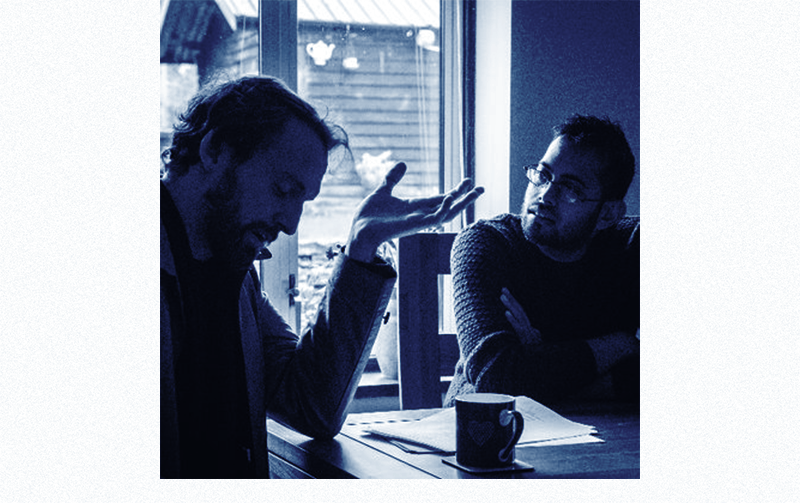
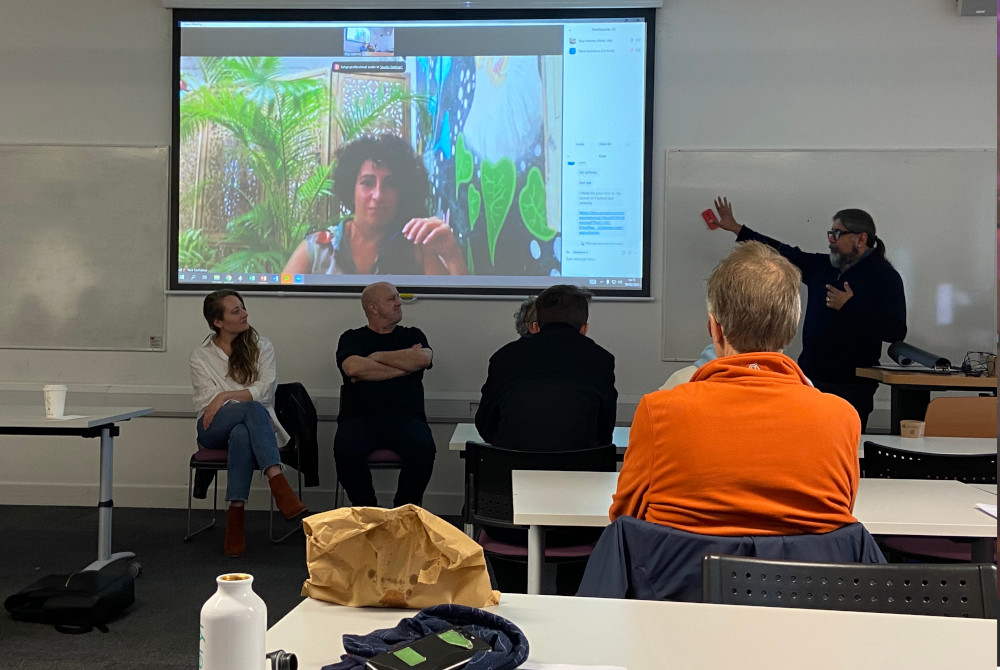
    I spoke with University lecturer and active practitioner, Riyadh Haque, about his take on the role of a film festival among county-wide communities as well as his personal career before, and during, his residency in Portsmouth. 

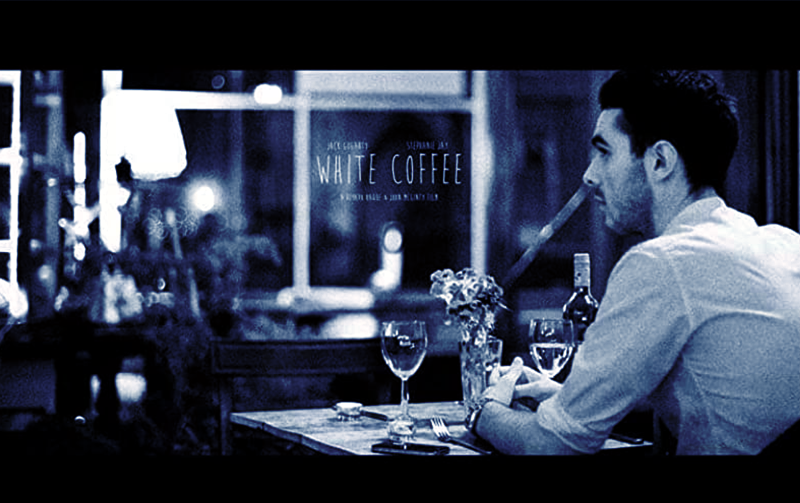
    (‘White Coffee’ – A short film directed by Riyadh Haque)

    Riyadh, What filmmaking or media projects have you worked on locally, in the Hampshire area?

    “Unfortunately, I can’t expose the details of many projects I have been involved with publicly. I can, however, briefly mention a comission project I worked on that was shot on 35mm film. The film was funded externally. We did, though, made a conscious decision to source as much of our talent and crew from the local area. This enabled us to support local, up and coming, keen filmmakers and get them involved in larger scale productions.”

    Why do you think a film festival in Portsmouth is necessary?

    “The film festival is always at the centre of the community in that area. Whilst I believe film festivals are great, they’re not usually enough on their own. The festivals host events once or twice a year and they’re great, but it can’t be left to this. Continuing to hone and support the local community is the real role of a film festival. It should be the buzzing hub at the core of a group of like-minded people.”

    What project are you most excited about being involved in, either locally or otherwise, in the coming months?

    “Ultimately, there are constantly projects and work that I am involved in, both locally and otherwise. The thing I’m really excited about being involved in is right here at Portsmouth University. Encouraging students to become the filmmakers they want to be. I have the opportunity to grow a community of young filmmakers that will surround things like Making Waves. I’d like to nurture the talent I can see here as much as possible going forward. Building upon the community we have in Portsmouth, thus growing the tomorrow’s community is what I am most excited about.”

    Riyadh’s contacts:

    Twitter – https://twitter.com/ifilmlove

    LinkedIn – https://www.linkedin.com/in/riyadhhaque/