Blog

  • How love is portrayed in short films: Paperman

    How love is portrayed in short films: Paperman

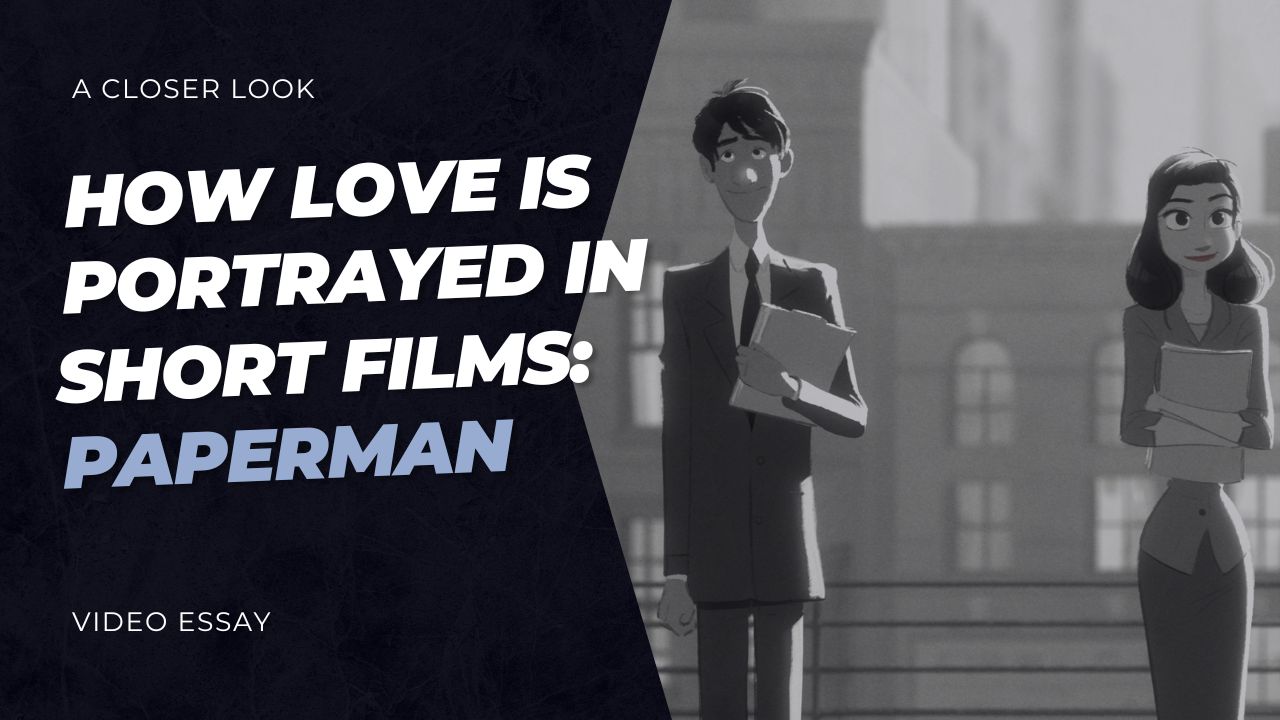
    Reflecting on how love is portrayed in short films, Stefan Georgiev takes a closer look at the oscar-winning short film Paperman (2012). Stefan examines how elements like the lack of dialogue and the character-object dynamic play a significant role in the success of this format – when done well, making the stories ever more touching and compelling to watch.

    Young video essayists comment on popular audio-visual culture. Produced as part of the BA (Hons) Film and Television degree at Solent University and brought to you by Making Waves Film Festival.
    Released Thurs 16:00 6th Oct 2022

  • Social and political issues in the music video

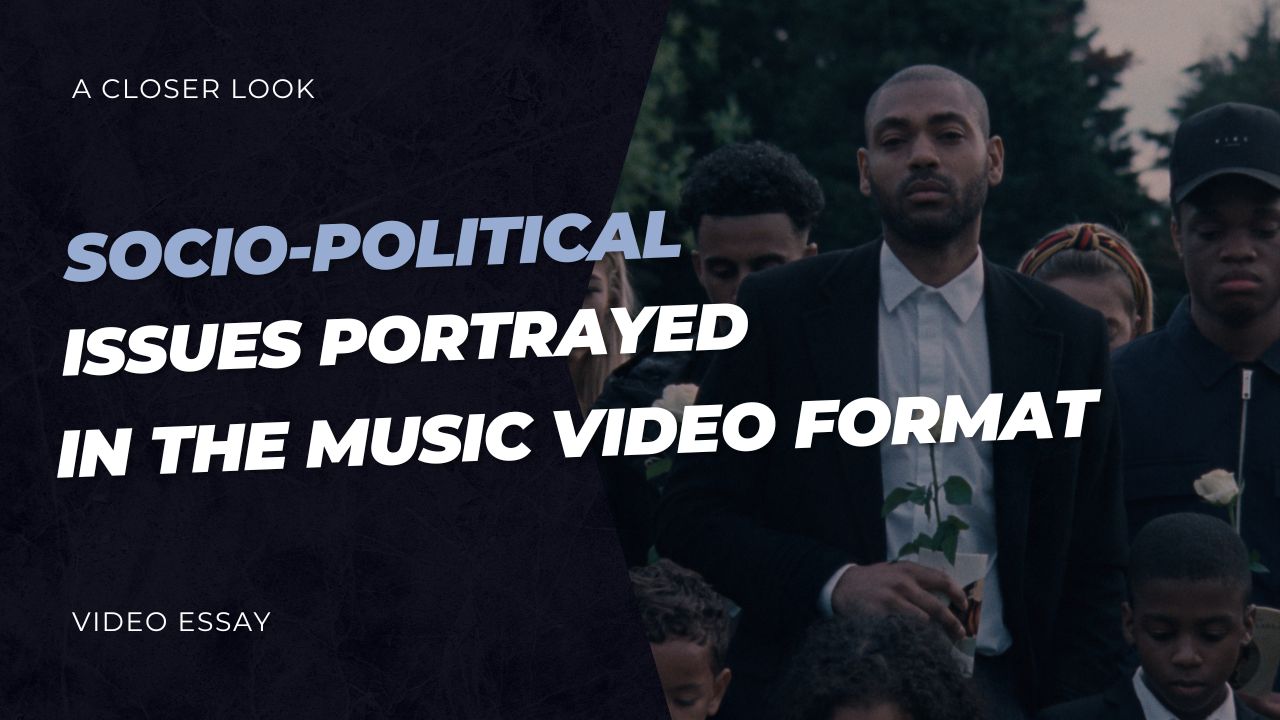
    Social and political issues in the music video

    Music has always been influenced by politics, often being used as a form of activism. In this video essay, Hagen Maddock looks at some of the most vocal artists from the past decade and how their music video work reflects social and political issues in society.

    Young video essayists comment on popular audio-visual culture. Produced as part of the BA (Hons) Film and Television degree at Solent University and brought to you by Making Waves Film Festival.
    Released Tues 16:00 4th Oct 2022

  • Hybridity in short fiction films and music videos

    Hybridity in short fiction films and music videos

    Music videos are one of the most watched short film formats nowadays. In this essay, Alice Dukes delves into the story of this subgenre of filmmaking, which some critics say has the potential to attach meaning to a song and increase the critical value of the medium. Alice takes a closer look to “Next to Me”, from Imagine Dragons – a piece that is the perfect hybrid of the short fiction film and the music video formats.

    Young video essayists comment on popular audio-visual culture. Produced as part of the BA (Hons) Film and Television degree at Solent University and brought to you by Making Waves Film Festival.

    Released Thurs 16:00 29th Sept 2022

  • Storytelling in Music Video

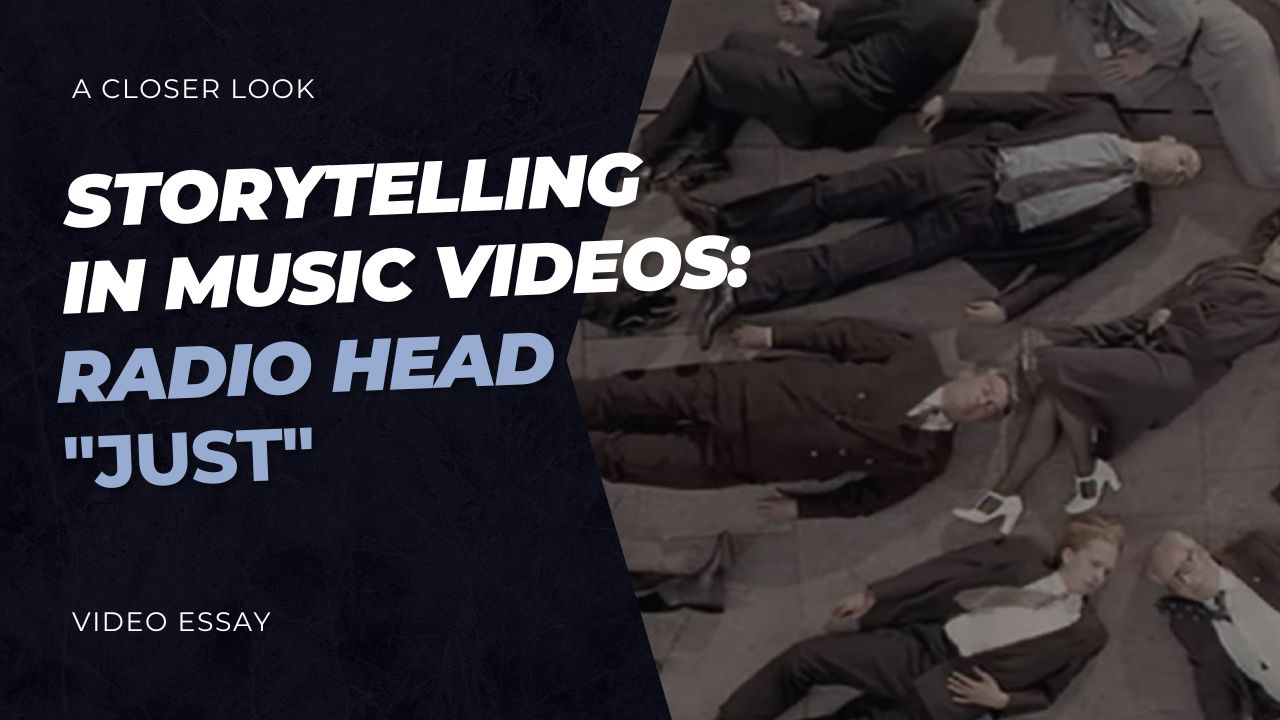
    Storytelling in Music Video

    Are music videos limited by the nature of their format when it comes to telling a story? Does a music video undermine the song, or can it bring more character and nuance to it? In this short essay, Fergus McLean examines narrative-based music videos, paying special attention to the suite of videos from Radio Head. He argues that music videos are part of the storytelling spectrum and that when “these two art forms come together, they create something ‘more’”.

    Young video essayists comment on popular audio-visual culture. Produced as part of the BA (Hons) Film and Television degree at Solent University and brought to you by Making Waves Film Festival.
    Released Tues 16:00 27th Sept 2022

  • Changing the landscape for Solent’s Film Industry

    Changing the landscape for Solent’s Film Industry

    Changing the landscape for Solent’s Film Industry has been a topic of discussion for some time now and it is clear from the research undertaken by an academic at Solent University there is a need for change. Compared to other regions the Solent has been underserved by those who you might expect to be investing in film & HETV, especially at a time when there is unprecedented and growing investment in the sector.

    Over the next few years, the UK is likely to become one of the biggest film & HETV production bases in Europe if not the world and will likely rival Hollywood for dollars spent on production. So why is Solent’s Film Industry so unprepared for this investment opportunity and what do we need to do to address the demand for crew, services and supply side businesses over the coming years?

    Adam Gee - Get Networked 18th May 2022
    Adam Gee on Creative Risk Taking – Get Networked 18th May 2022

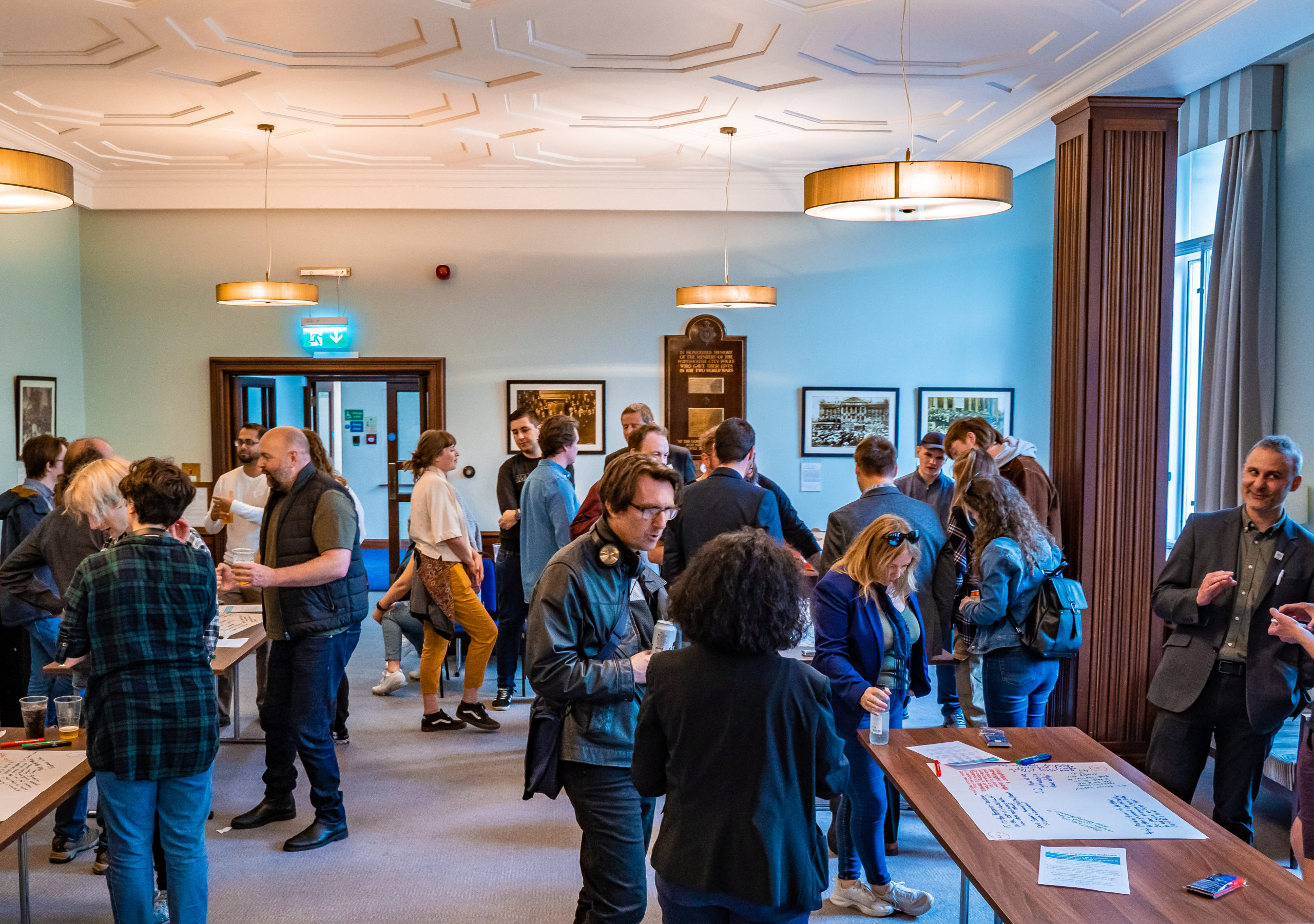
    To try and answer some of these questions Dr Roy Hanney persuaded Solent University to invest in a series of networking events across the region. At each of these meetings, he asked the participants questions about how they could effect change and seize the opportunities coming our way. Hosted by Making Waves Film Festival in partnership with a number of local film industry organisations such as City Eye, Film New Forest, BFI NETWORK and Fareham Collage he staged six Get Networked film industry events through April and May 2022.

    A wide range of representatives from Solent’s Film Industry attended the events with one hundred and seventy-four attendees participating, their occupations ranging from students, early career, mid and late career filmmakers, as well as representatives from sector organisations, alongside owners of production companies.

    The report provides an outline summary of the views of those participating and sets out some key themes for further research. It also sets out a set of actions that could be taken to address the needs of the sector. Dr Hanney told us that he hopes the report will be the starting point for further discussion and with any luck, some action on the part of local government and regional business development agencies.

    The report of the findings from these meetings has been published as a draft and you can read a copy HERE (download PDF).

    Rob Hind - Get Networked 18th May 2022
    Get Networked at Portsmouth Guildhall 18th May 2022

    The research was funded by Solent University through an internal Research, Innovation and Knowledge Exchange (RIKE) award supported by Creative Network South and delivered in association with key partners including City Eye in Southampton, Film New Forest, Making Waves Film Festival in Portsmouth, Hampshire Chamber of Commerce, and BFI NETWORK Southwest.

  • Independent Cinema: Why Make the Switch?

    Independent Cinema: Why Make the Switch?

    Malisa Chafer, volunteer chairwoman of Portsmouth’s only independent cinema, says “film making is one of those most incredible creative processes.”

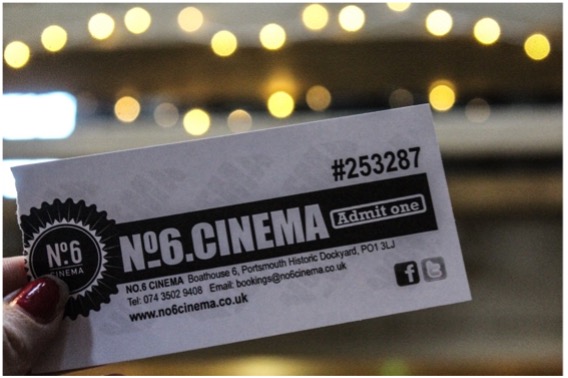
    Her thinking at No 6 Cinema … if you can showcase some of the best filmmakers it gives people the chance to experience it change their minds on a variety of topics, open their minds to a variety of things. “I think its really important”, she says.

    Chafer seems very aware on what films can be. She highlights particularly film that is part entertainment, part education, when you have a fantastic documentary about something you know nothing about its an opening to another world. “I think that’s what I love about cinema”, says Chafer. “It is a window on other places and other ideas.”

    But were here to talk about independent cinema specifically…

    “I think the motivation behind the making of the film is often completely different, not just in it for money, for expression of an idea or to share something”, says Chafer.

    To first year film student of University of Portsmouth, Kearin Green, independent film is more intriguing for the lessons and authenticity the filmmakers bring to the table.

    “In reality as an art form I think independent film is just much more real and it makes you feel a lot more, it’s very profound,” says Green.

    Especially, with everything that happened in recent years, with artists having to fight to save the arts, it has been increasingly recognised how important this industry is to people and the ways in which it can benefit society.

    Green sees that young people bring an ability to be brave when it comes to new ideas and because of this the UK film industry has become a lot braver when it comes to social issues.

    Although she acknowledges projects tackling these issues gets a bit much for people Green says “go for it.”

    “It’s never been a better time to raise your voice on the things that you think are important and use your preferred medium as a way to express it, I think its really important and there’s a lot of creators that are doing so well when it comes to expressing it.”

    These new young filmmakers such as Kearin Green, currently being inspired by courses at the university and opportunities with Making Waves Film Festival and No 6 Cinema is something that is needed in the industry.

    “The more people that come in the more ideas that you never even knew existed will come in” says Green.

    “The idea of being so brave about representing things such as mental health or even sexual assault doesn’t just come from a person who’s been in the industry forever, that comes from someone who started at the bottom.”

    This is the kind of development that Making Waves allows today, enhancing the film industry as well as societies perspective on what film is.

    Green says cinema is the closest medium to viewing someone’s life and the most direct way to express a message to someone.

    “When you see someone talking, feeling and experience that I think that’s the most personal you can get when it comes to expressing art through a medium.”

    By Louisa Clarke

  • Why Portsmouth is a great foundation for building up independent cinema?

    Why Portsmouth is a great foundation for building up independent cinema?

    Isn’t it amazing how our city has managed to assist an army of people in developing their creative talents? Meet two such people who, despite being at different stages of their artistic journey, have both found the place to develop their creativity through cinema in Portsmouth and maybe we can determine what it is that allows artists to blossom how they do here.

    Whether it’s the Charles Dickens statue you see on your strolls past Guildhall Square every day or one of the countless colourful murals that lately continue to reveal themselves on our tall brick walls, the city begs to brag about the creative minds it hosts.

    Kearin Green, first year film student at the University of Portsmouth and one such creative mind, admits that when people initially think of Portsmouth, they most likely do not automatically assume that it holds a significant culture of creativity, overlooking it in favour of more advertised hubs such as Brighton. However, this is not an opinion that she, herself, shares.

    She says, in reality, especially with university students, there is creativity everywhere. Always students filming projects or doing something “really ground-breaking” or taking photos in the park.

    “I think it’s actually a very colourful place if you look at it” she says.

    “It just makes you want to be creative”

    Malisa Chafer, currently volunteering as chairwoman at the only independent cinema in the city, No6 Cinema, agrees. With opportunities for young creatives including events such as Making Waves Film Festival and cheap living expenses, especially compared to Brighton, artists flock to this city to keep up their creative practices.  

    As Hotwalls says: “Portsmouth has a thriving creative sector and affordable workspace is in great demand.”

    Chafer, well-versed as she is with the creative capabilities in Portsmouth, was not lost for areas where artists and creatives can go to get inspired.

    Although, as Chafer says, artists are largely self-motivated, working independently or naturally finding those of similar mindsets to work with. People who are like minded attract each other and inevitably you support each other in the creative outlets they are pursuing.

    There are multiple places in Portsmouth which cultivate and support these creatives. It is not the city of Portsmouth that creates the art, but it is the nature of this city that is able to draw incredible artists, whether it be street artists, painters, or photographers, to work in this space.

    Aspex describe themselves as a place that exists solely to support emerging artists in the early stages of their careers, reveal the creative process, and engage new audiences with visual art. They say their aim is to “make the creation and enjoyment of art a more inclusive activity.”

    Art space advertise as a creative hub of support for visual art and artists professional development. The organisation occupies a unique place in “the local creative industries community” and is driven by its artist membership.

    Hotwalls says they work to bring artists and designer-makers together to start and grow their creative ventures in “an environment of mutual support, creativity and innovation.”

    The Maker’s Guild Initiative has also worked since 2017 to set up spaces where members of the public can come to pursue various creative outlets.

    They say: “there is always something interesting happening”

    Victorious Festival is also instrumental in bringing craft fair to Portsmouth. Chafer suggests they need to publicise these opportunities that are out there. We are in an exciting time now as they wait to appoint a CEO. Making it possible to bring people together more with a more cohesive plan.

    One of the biggest thing which makes Portsmouth a great place to develop creativity, no matter how deeply buried, is simply experiencing it, feeling that artistic history around you as you work. Malisa Chafer did just this. She says you have got to look at the dockyard as having a massive influence on Portsmouth.

    After the university has gradually taken over, the dockyard has gotten a lot smaller, but it certainly had a massive influence on the type of people coming into Portsmouth – the working class. For a while this city’s culture has favoured football, leading to a lack of support for arts but hings are evolving and changing in an exciting way and the university has had a massive influence on this.

    The University of Portsmouth is one of the main points bringing people into our little hub of creativity. It has long been a place where artists can develop work in the arts, glass, fine art, fashion, textiles, architecture, and filmmaking. Sometimes where the university doesn’t fulfil the role somewhere else will step up to fill that gap – Making Waves Film Festival to the rescue!

    Chafer suggests where there is not so much history of cinema in Portsmouth, it is being created now. She says this pressure plays on her mind a lot. Having a small amount of people commit a lot of time means something you love might no longer exist. She describes a feeling of disappointment as what is largely needed in situations like these is young blood and new ideas. Walking away and leaving it in safe hands is a worry. So why develop your creative cinephile side in Portsmouth? Because we need you. As Chafer says, there are people who love cinema and wouldn’t want to see it decline following the pandemic. 

    Malisa Chafer has always been a creative person and knew she wanted to get involved with something in the city when she moved here. Although film was not necessarily an area of expertise, it was a long-held passion and an art form of great admiration so when she “fell into No6 Cinema” it was a perfect fit for developing her artistic cinephile side.

    Similarly, Kearin Green says film was instilled in her early on in life. She says in a truly affirming moment she just knew. It felt like something she simply had to do. Seeing herself as a storyteller day to day, she loved the idea of linking stories from the film playing in her mind with the visual side. Film felt like the perfect medium for Kearin to study. Telling stories, using cameras, using special effects and making a life of what Green calls one of her “greatest enjoyments in life”: watching films.

    “People I met who advocated for Portsmouth made It sound like I was going to have the time of my life”, says Green.  

    To Kearin, the combination of the experience, the film school and industry links made her decision for her. She was particularly impressed with the way the lecturers promised to teach you how to be a filmmaker. Kearin puts it best herself when she tells me she wanted to do something as real as that. In this, her third year of study, she has already experienced some change in her perspective on film.

    “I feel very natural when I’m directing” says Green.  

    “I’m surrounded by a lot of creative people and there’s a lot of resources.”

    By Louisa Clarke

  • My first event with Making Waves Film Festival: Ali & Ava plus Q&A w/ Harry Escott

    My first event with Making Waves Film Festival: Ali & Ava plus Q&A w/ Harry Escott

    The eye is drawn to the bar, decorated with a small grid of vintage film posters, surrounded by fairy lights which enwrapped various pipes across the ceiling, which if you looked at it for long enough convinced you that you were in fact in some kind of cruise ship, a beacon of socialising, colour and light.

    Everything about the event made me feel like I was immersed in the movie. A romantic feel achieved by delicate flowers in vases on round tables dotted across a café set up brings the genre of the movie to life in the venue. Filming crew set up in the corner, felt like we were a part of a very special moment, lucky to hear the behind-the-scenes secrets.

    The Q&A was incredibly informal and intimate. Casual wear as far as the eye could see and questions read of off a phone in a hesitant voice over a handheld mic. Nevertheless, we all watched intently. The truth of it is it was the relaxed, enjoyable experience which allowed everyone to feel comfortable and for the stories to flow effortlessly from our esteemed guest. Moments of laughter but also incredibly interesting and profound insight into the industry.

    People leaned forward in their chairs or lined the walkway to the café area where the events were unfurling. It was truly surreal and rather joy inducing to see everyone’s eyes focusing on the same spot, all hanging on Harry’s every word. Amongst the clear silence that comes from absolute attention, I hear laughter and the rising noise of positivity as the audience hears an anecdote or two or a particularly impressive question from a fellow member of the crowd.

    This film has been described as enveloped in music, humour and emotion and that is exactly what this event was. As the interviewer said, it was a room full of film nerds enthusiastic about the chance to fully understand the process of audio from sound that almost miss the ears of an unexpecting audience but are felt by the heart and soul to contributions to the soundtrack and diegetic music. Escott offered some insight into where he started and how he found and developed his craft, highlighting the importance of making connections and working through things naturally.

    Particular focus was given to scenes to look out for with tunes gifted by an actor’s ukulele and a character’s mixtape as well as highlighting a cover of ‘Grace’ which can be found in the credits, a song which holds a special position of encapsulating a whole history of the character Ava and her relationships with other characters, and the story behind that particular recording. Sure enough, people stayed seated in the audience as the beautiful melody and vocals played and the credits rolled. There was not an audience member present that could have left that event saying that the choices of audio and song in film mean nothing.

    I had the pleasure of witnessing networking in action as people brought together by this event set potential plans for the future. I watched a smile spreading across someone’s face at the realisation that their work had been seen and appreciated by someone, in the industry that inspires them and could keep them talking for years, left holding a card in surprised shock as they walked away.

    The film was casual, funny, and endearing. Layering of sound is immediately noticeable, creating this key notion of harmony. The visuals demonstrated some interesting experimentation with close-up shots and aperture which were able to demonstrate how these emotional moments feel for characters who keep their struggles close to their chests.

    It’s that situation where from the outside you may not know that someone is struggling but we are forced to look at details, almost slip into their perspective, climb inside their brain. Ali and Ava can see these subtle tells in each other as it is something they both do themselves. With a simple “something’s on your mind isn’t it” they see these similarities and force each other to see things in themselves

    As much as this story focuses on a romantic connection, it finds rightful space for heartbreak and the act of letting go. The characters of Ali and Ava are both helpers, the kind of people who go above and beyond to make others lives easier, and it only emphasises how little time they take for themselves.

    Demonstration of their connection through music is frequent. Loud songs never lasted long before they cut off and new scene began, an amazingly effective demonstration of these characters tendencies to avoid focusing on themselves and lying in their own tensions and negative emotions.

    We also see this beautiful emotional connection between Ali and Ava develop in relation to a young girl. She brings them together at the start and mirrors their struggles in body language and emotion throughout, linked together by the music, until it comes full circle and she overcomes her fears.

    A particular moment of laughter is a scene where Ali and Ava pick up some kids causing some chaos on the side of the street. It’s the first moment of many where we see that the character of Ali has this special ability to defuse tension in seconds, a superpower that is welcomed in many moments amongst this narrative.

    As a secret is revealed, Clio Barnard tackles the key theme of change and we see our first notion of a stream of genuine struggle through issues of separation, divorce, drinking and abuse. The tone of the film takes a turn and we see Ali and Ava explore deeper, more meaningful, similarities, made endearing by a natural humour between them as these characters of an older age begin to act like kids in love.

    Music dictates mood even when what we see in a scene seems happy. The audience go through a rollercoaster of emotions: We sit in moments of silence, feeling sadness and melancholy, and a deep drone creeps in building the tension until it becomes overwhelming, in a moment of pure heartbreak, we catch Ali feeling the absence of a child, perspective seems to take a positive turn as we have a moment of just Ava and the music through her earphones, incredibly effective subtle signs of danger or upset bring us to the edge of our seats, a moment of relief comes when troubles literally fade from focus when they look at each other.

    Ava tells a personal story as the frame goes out of focus and the camera seems to pan. There is almost an expectation that the shot will land on something or someone that the audience is able to focus on but in truth, this would take away from the content of the story. Instead, our eyes dart across the screen of spreading colours amongst exhibits of bokeh and light but we are taking in every word she says. The outside world doesn’t matter in this moment, it just disappears.

    By Louisa Clarke

  • IN SOLIDARITY WITH UKRAINE

    IN SOLIDARITY WITH UKRAINE

    Making Waves will join film festivals across Europe in showing solidarity with Ukraine. From film screenings to a fundraiser for the Disasters Emergency Committee, we’re shining a spotlight on Ukrainian film.

    Film has always had the power to bring people together. Even now, with Ukraine’s cinemas closed, the Ukrainian people are still watching films. President Volodymyr Zelensky has requested that Ukraine’s biggest film archive screen a series of Soviet-films in metro stations from Kyiv to Kharkiv, where residents have sought shelter from the war.

    Outside of Ukraine, pro-Ukrainian sentiment has swept across Europe’s film festivals. Festivals in Berlin, Venice and Sarajevo have screened Ukrainian films in solidarity. Other festivals have gone even further. Cannes and Venice have chosen to ban official Russian delegations while others such as Glasgow Film Festival and Stockholm International Film Festival are boycotting films funded by Russia. Here at Making Waves we are running two events to show our solidarity with Ukraine.

    MWFF & The Front Room present ‘HOME’ a fundraiser for DEC Ukraine appeal

    Friday 22rd April 7-10pm at No 6 Cinema

    Making Waves and The Front Room have partnered to raise money for The Disasters Emergency Committee with a fundraising event. HOME will include an eclectic mix of spoken word, live animation and a selection of short films by Ukrainian filmmakers. For us, home is a place of shelter, security and nourishment, something we would like to celebrate and share with you.

    The DEC delivers effective and timely relief to people most in need. With more than 10 million people haveing fled their homes to escape conflict in Ukraine, the DEC is raising money for shelter, food and water.

    We invite you to donate directly to the DEC Ukrainian Humanitarian fund via our Just Giving Page. To buy a ticket for this event please make a donation of what you can afford. One donation equals one ticket and we suggest £10 or more.

    https://www.justgiving.com/fundraising/mwff-home

    HOMEWARD (cert 15) 2019

    Saturday 23rd April 7pm at No 6 Cinema

    Having lost his oldest son in the war between Russia and Ukraine, Mustafa resolves to take the boy’s body to his native land: Crimea. Together, he and his younger son set out on a journey that will profoundly mark their relationship.

    In solidarity with the Ukrainian film industry we will be screening Homeward. Ukrainian filmmaker Nariman Aliev’s debut feature premiered at Festival de Cannes 2019 and was nominated for Un Certain Regard. Acclaimed by critics and audiences, Homeward is a powerful road movie following a father and son united by grief, travelling across a war-torn land.

    Despite being one of Ukraine’s finest films in recent years, Homeward is just one film in a rich and vibrant history of Ukrainian cinema. The Oleksandr Dovzhenko National Centre (Dovzhenko Centre) in Kiev is the largest Ukrainian film archive with an extensive collection that includes over 7,000 feature films, documentaries, animated films and thousands of archival records from the history of Ukrainian film.

    In times of war it’s important to remember that art and humanity are inextricably linked. We are honoured to be screening Homeward and hope you will join us in celebrating Ukrainian culture.

    https://www.no6cinema.co.uk/films/making-waves-film-festival-presents-homeward

    Making Waves Film Festival runs in partnership with No 6 Cinema in the Historic Dockyard, Portsmouth and is supported by BFI FAN, BFI NETWORK, Camera Crate, Tilly Films, Euroscript, University of Portsmouth and Portsmouth Guildhall.

  • SPOTLIGHT ON LOCAL FILM TALENT: Meet the Nominees

    SPOTLIGHT ON LOCAL FILM TALENT: Meet the Nominees

    Say hello to the five talented directors from the Solent region nominated for Best Local Film. Here at Making Waves Film Festival we’re all about recognising and celebrating the very best of local filmmaking talent. Read all about our official selection below and join us on April 20th at Portsmouth Guildhall to see these bold and innovative short films.

    Joe Burbidge, dir. DISEMBODIED

    Disembodied, dir. Joe Burbidge

    After Todd accidentally decapitates his lifelong friend Marcus, he tries to preserve their friendship the only way he can think how: in the fridge.

    Joe Burbidge is a director based in the Solent area. He is a self confessed “lover of the abnormal” and it’s no surprise his creative process involves indulging his weird and wacky side through the medium of film.

    Benjamin Cook, dir. THE BEAST

    The Beast, dir. Benjamin Cook

    Trapped in a cabin nestled deep within the woods, a man struggles to cope with the demands of a creature that feeds at nightfall.

    In 2015 Benjamin Cook graduated from the University of Portsmouth with a First Class Honours degree in Film Production. His graduate film went onto travel film festivals across the world. Since leaving university Benjamin has started a production house and is on the lookout for interesting and exciting creative projects.

    Tim Faraday, dir. COME THE DAWN

    Burdened by loss, Isaac’s journey to the evergreen takes an eerie turn to the bitter truth.

    Tim Faraday is a successful actor and director with a track record of festival-selected films. He is co-founder of Square Peg Films, an independent film company who embrace their eponymous philosophy.

    Nicole Barbosa Filipe and Tomás Romão Arreigota, dir. MOÇA

    SAUDADE – the feeling of hurt, nostalgia and rawness caused by absence or disappearance from something or someone.

    Co-directors Nicole Barbosa Filipe and Tomás Romão Arreigota are film students at the University of Portsmouth. Sharing a passion for cinema since childhood, Nicole and Tomás are determined to forge successful careers in visual arts. Nicole is currently working as an assistant editor at Bro Cinema in Portugal for her year abroad.

    Jack Lucas Smith, dir. THE JAMES MODEL

    James is an AI software engineer working for ARCA. Virtual assistant malfunctioning and a conversation with his boss begin to confuse James. He feels more tired than normal. Why?

    Jack Lucas Smith is a film student at Portsmouth University. An aspiring director, photography and graphic art are among his many creative skills. The James Project was produced in association with Oxford University and the Ethics of Artificial Intelligence Institute.

    MWFF Local Films Screening & Get Networked Event

    Join us on from 5pm on April 20th at Portsmouth Guildhall for our Get Networked event.

    In addition to screening our Local Film Shortlist, we’ll be hosting BFI NETWORK Talent Executive Alix Taylor-Searle. Alix will talk through the upcoming call out for BFI NETWORK Short Film Production Funding and Early Development Feature Funding, which both close for applications in May. There will also be a Q&A with a filmmaker about their experiences working on a BFI NETWORK short film project. 

    So, if you want to know more about how your short film could make our official selection next year, come along!

    Tickets: FREE (but you must book)

    For more information visit our GET NETWORKED! events page: https://makingwavesfilmfestival.com/get-networked/

    Book your ticket via Eventbrite: https://www.eventbrite.com/cc/making-waves-film-festival-2022-200779