Tag: film

  • Film, Food, and Culture: How Making Waves Film Festival Brought Iran to Portsmouth

    Film, Food, and Culture: How Making Waves Film Festival Brought Iran to Portsmouth

    The Making Waves Film Festival has long been celebrated for its innovative approach to cinema, seamlessly blending film with immersive experiences that captivate audiences. This year, the festival outdid itself with “My Favourite Cake: An Iranian Dining Experience,” held on March 29 at St. Simon’s Church in Southsea. This event was a harmonious fusion of film, food, and culture, leaving attendees with an unforgettable taste of Iran’s rich heritage.


    Upon entering St. Simon’s Church, guests were transported into a Persian paradise. The venue was transformed into a beautifully designed garden space, inspired by traditional Iranian aesthetics. The ambiance was further enriched by the traditional Nowruz table setting, symbolizing the Persian New Year, which added a layer of authenticity and festivity to the evening.

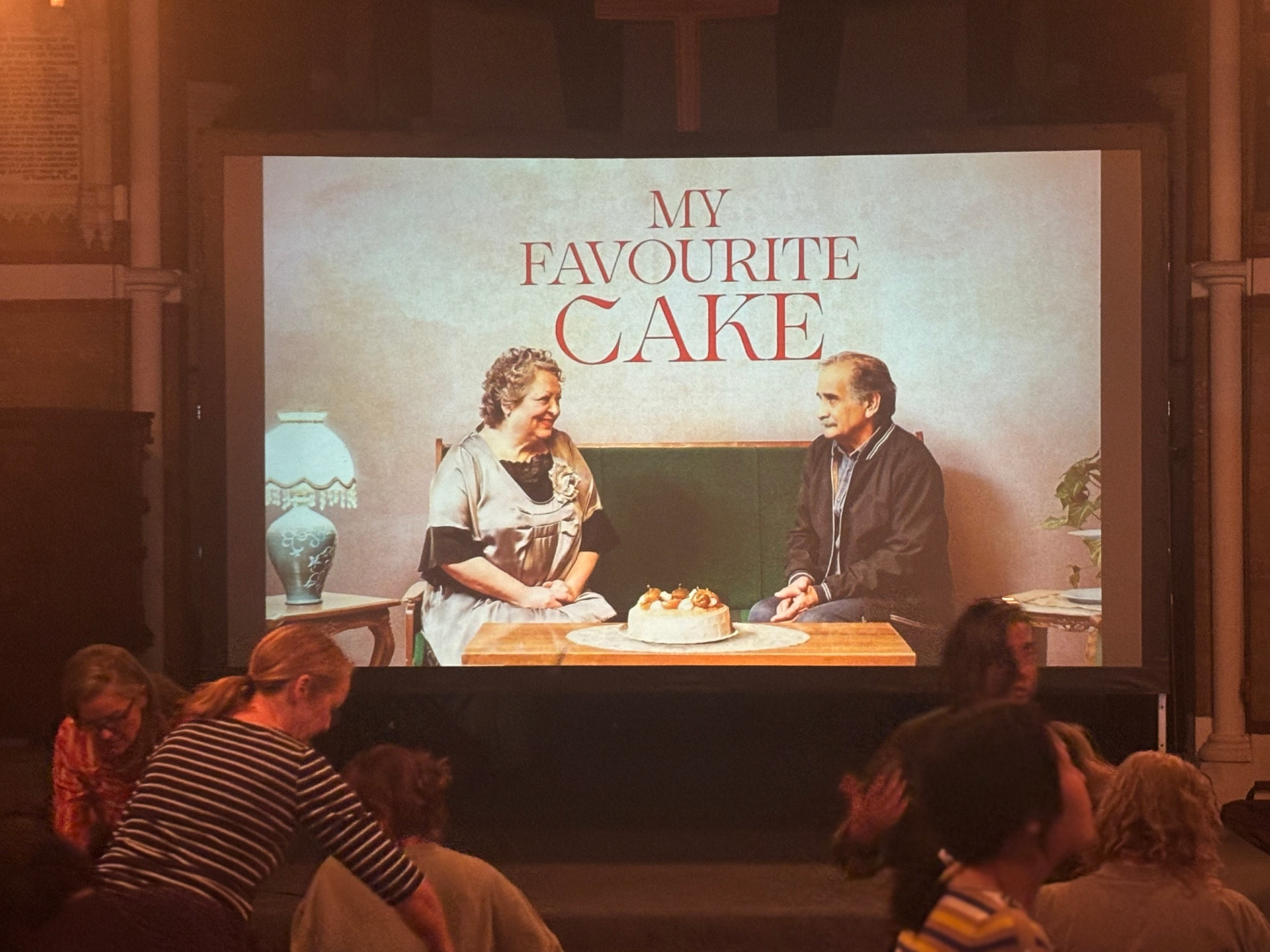
    The centerpiece of the evening was the screening of the award-winning Iranian film, My Favourite Cake (2024). The film delicately narrates the story of seventy-year-old Mahin, who chooses to revive her love life after years of solitude. Its poignant exploration of aging and loneliness resonated deeply with the audience, eliciting both laughter and tears. The compelling performances and unique storyline captivated viewers, making it a standout feature of the festival.

    Complementing the cinematic experience was an authentic Persian feast, meticulously prepared by talented Iranian cooks from Portsmouth City of Sanctuary’s Kitchen of Hope. Under the guidance of professional chefs Soraya Hatami and Damon Hall from Taarof in Worthing, the menu featured traditional dishes that tantalized the taste buds. From the rich flavors of Kashk-e Bademjan (aubergine dip) to the aromatic Persian jeweled rice and the hearty Gheymeh (split pea stew), each dish was a testament to Iran’s culinary prowess. Refreshing beverages like saffron & rose iced tea and lime & mint cordial provided the perfect accompaniment, enhancing the overall dining experience.

    As guests savored their meals, the atmosphere was further enlivened by a live performance from a talented Iranian band. The melodic strains of traditional Persian music filled the air, creating an immersive cultural experience that transcended the boundaries of film and food. The synergy between the music, setting, and cuisine transported attendees straight to the heart of Iran, fostering a deep appreciation for its rich cultural tapestry.

    Beyond the sensory delights, the event held a deeper significance. Serving as a fundraiser for Portsmouth City of Sanctuary, the evening aimed to foster community spirit and raise awareness for refugee inclusion. The collaboration between Making Waves Film Festival and Kitchen of Hope exemplified the power of cultural events to bridge communities and support meaningful causes.Attendees left not only with enriched palates and hearts but also with a heightened awareness of the importance of inclusivity and support for refugees.

    Reflecting on the evening, it’s evident that “My Favourite Cake: An Iranian Dining Experience” was more than just an event; it was a celebration of culture, community, and cinema. The seamless integration of film, food, and music created a multisensory journey that resonated deeply with all who attended. It’s events like these that underscore the Making Waves Film Festival’s commitment to extending and redefining the cinema experience beyond the expected, leaving no audience behind and making cinema relevant to diverse and marginalized communities.

    As the festival continues to push boundaries and create unique cinematic experiences, one can only anticipate what innovative events will grace Portsmouth in the future. For those fortunate enough to have attended this year’s Iranian dining experience, the memories will undoubtedly linger, much like the lingering notes of a beautiful Persian melody or the rich flavors of a well-spiced dish.


  • The Maverick Director

    The Maverick Director

    Quentin Tarantino: The Maverick Director Who Redefined Hollywood with Reservoir Dogs
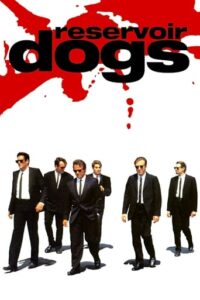
    The world of cinema was forever altered in 1992 when Quentin Jerome Tarantino, an unknown video store clerk with a passion for cinema, premiered his debut film Reservoir Dogs at the Sundance Film Festival. Tarantino quickly became one of the most influential directors in Hollywood, with a distinctive style marked by sharp dialogue, non-linear narratives, and graphic violence. His journey from indie filmmaker to household name in Hollywood epitomises the triumph of audacious storytelling over conventional filmmaking.

    The Early Years: A Self-Taught Filmmaker

    Born in Knoxville, Tennessee, Tarantino moved to Los Angeles at a young age and developed a deep passion for film. Working in a video rental store, he consumed a variety of movies, from classic Hollywood to international cinema. This experience would significantly shape his directorial voice, and Tarantino would later credit his vast knowledge of films as his real film school. With no formal training, he crafted his first script, True Romance, which eventually became a cult classic.

    Reservoir Dogs: The Catalyst for Change
    When Reservoir Dogs was released, it shocked audiences with its brutal yet darkly humorous approach to storytelling. Tarantino’s story of a failed diamond heist, told with graphic scenes and an unforgettable ensemble cast, broke new ground. From the film’s opening scene—an infamous discussion on tipping culture in America—to its nonlinear storyline and brutal depiction of loyalty and betrayal, Reservoir Dogs was unlike anything audiences had seen.

    The film showcased Tarantino’s ability to create engaging, multifaceted characters, each with their own quirks and motivations. Mr. Blonde, Mr. White, Mr. Pink, and Mr. Orange became iconic personas, representing different facets of the criminal world while pushing viewers to consider deeper questions about morality and loyalty.

    The Impact on Hollywood and Tarantino’s Career

    Reservoir Dogs was not a huge box office success, but it became a cult sensation. More importantly, it marked a turning point in independent cinema and solidified Tarantino’s position as a fresh voice in Hollywood. His unique vision and fearlessness to tackle controversial subjects inspired a new wave of directors who sought to tell unconventional stories outside the mainstream studio system.

    Tarantino went on to direct Pulp Fiction (1994), which received critical acclaim and an Academy Award for Best Original Screenplay, further cementing his reputation as one of the most innovative storytellers in the industry. His career continued to soar with subsequent films, such as Kill Bill, Inglourious Basterds, and Once Upon a Time in Hollywood, each reflecting his distinct style and passion for film history.

    Tarantino’s Legacy: Pushing Boundaries

    Reservoir Dogs set the standard for what would become the “Tarantino style”: witty, often hilarious dialogue punctuated by moments of intense violence, homages to obscure films, and an intricate, non-linear plot structure. Tarantino’s rise to fame is a testament to the power of independent filmmaking and the impact of a director willing to take creative risks. He redefined Hollywood’s perception of genre and storytelling, and Reservoir Dogs remains an essential viewing experience that continues to influence both new filmmakers and seasoned directors alike.

    As we celebrate Reservoir Dogs at the 13th edition of the Making Waves Film Festival, it’s worth reflecting on how Tarantino’s relentless dedication to his craft, his love for cinema, and his audacious storytelling helped make him one of the most important filmmakers of his generation. Tarantino’s journey from a video store clerk to an icon of modern cinema is an inspiring reminder of the impact that passion, creativity, and vision can have on the world of film.

    Reference: American Society of Cinematographers has an in-depth exploration of the cinematographic challenges and innovations in Reservoir Dogs, including how the budget constraints pushed the crew to adopt inventive approaches that contributed to the film’s distinctive style. The American Society of Cinematographers

    Hollywood Insider discusses the iconic elements of Reservoir Dogs, such as its “Mexican standoff” climax, unique dialogue, and stylised violence. This article also highlights Tarantino’s approach to suspense and his influences, shedding light on how he reshap​ed his cinematic trademarks. 30th Anniversary of Quentin Tarantino’s ‘Reservoir Dogs’ 

    Collider offers insights into Tarantino’s influences, especially from films like Ringo Lam’s City on Fire. It explains how Tarantino used elements from these films but infused his signature style, which helped establish him as a fresh voice in Hollywood. This novel’s originality and storytelling techniques in Reservoir Dogs and his later works. Reservoir Dogs: 30 years of the film that shook up American cinema 

  • Building Connections for Making Waves Film Festival at a Film London Distributor Slate Days

    Building Connections for Making Waves Film Festival at a Film London Distributor Slate Days

    Last September, Making Waves Film Festival organisers Roy Hanney and Yael Friedman attended the Film London Distributor Slate Days at Picturehouse Central. This two-day event is one of the key gatherings for film distributors and exhibitors, providing a valuable chance to see what’s in store for cinema screens over the next year and to build relationships with the people who make it happen.

    We kicked off with presentations from various distributors, getting sneak peeks of some of the most exciting upcoming releases. It was brilliant to see trailers and clips that have never been shown publicly before, but the real value of the event for us came on day two, with a busy morning of speed networking. This was a chance to meet face-to-face with specialist distributors, exchange ideas, and start building relationships that will help grow Making Waves’ programming in the years ahead. We had some fascinating conversations—covering everything from event screenings to Japanese cinema—and learned a lot about how the distribution side of the industry operates.

    The experience highlighted the importance of getting to know the people behind the email addresses. Meeting in person makes a huge difference, and we feel much more connected to the distributors we spoke to, which will undoubtedly benefit our future programming. We’re particularly excited by the potential for collaborating on some special screenings that might fit with Portsmouth Comic Con or bring more focus on our plans to produce more event cinema in the future, hopefully creating unique experiences for Portsmouth audiences.

    We want to say a huge thank you to Film London for organising such a valuable event, and to everyone we met. We’re looking forward to following up on the conversations we started and seeing how we can bring some of these exciting new films to Making Waves audiences in 2025 and beyond.

  • Tim Burton’s Macabre through James March’s Film Analysis

    Tim Burton’s Macabre through James March’s Film Analysis

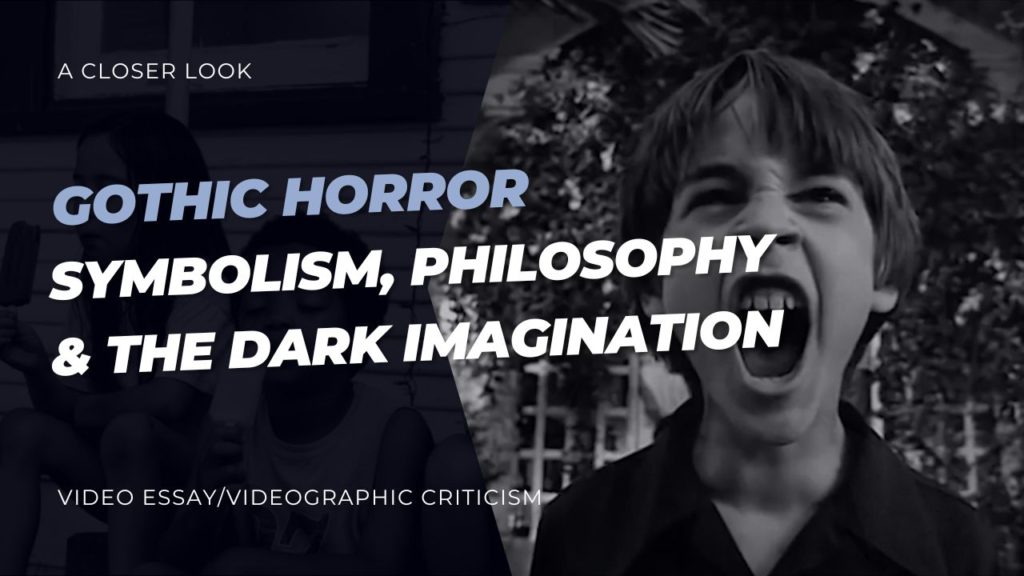
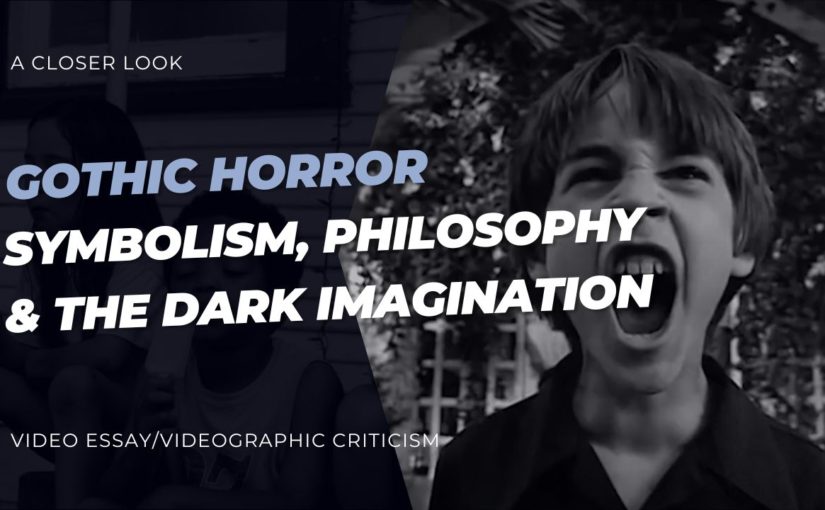
    Tim Burton’s Macabre stories have made a persistent impression. Firstly, they influenced filmmakers worldwide. Secondly, his most recent masterpieces inspired many articles and vlogs. However, unlike the others, James March decided to explore the legendary filmmaker’s early work. Therefore, there are many secrets to be found in this mesmerizing video essay ‘Gothic Horror: symbolism, philosophy & the dark imagination.’

    Haunted Realm of Tim Barton’s with James March

    Only a few creators have left a lingering mark on the imagination of the audience quite like Tim Burton. His unique blend of gothic horror and whimsy surreal visuals has been fascinating for millions of film lovers worldwide. With James March as our guide and his rich visual interpretation, we can uncover the hidden depths beneath the surface of Burton’s visionary creations.

    James March explores Tim Burtno's Macabre cinema in this video essay; 'Gothic Horror: symbolism, philosophy & the dark imagination.'

    A Cinematic Exploration of Enigmatic Macabre Secrets

    From the first frame, we are transported into the depths of Burton’s dark imagination. The video essay begins with peeling back the layers of symbolism and horror homage that define Burton’s first short film ‘Vincent’. Above all, James March shares his profound insights and experiences while unravelling the enigmatic secrets of Tim Burton’s macabre mastery. March’s meticulous film analysis explores the haunted story world, the tormented souls of Burnot’s characters, and the rich tapestry of Burton’s influences.

    Uncovering the Tapestry of Tim Burton’s Influences

    To start with, March’s keen eye for detail and deep understanding of Burton’s cinematic language brought the symbolism to life in ways only a few can imagine. In other words, James deciphered the intricate messages that lurked beneath the surface. Because he reveals the profound depths of Burton’s dark imagination. Additionally, James shed light on the profound connections to literary traditions, unlocking a deeper appreciation for the layers of meaning woven throughout Burton’s distinctive style.

    Tim Burton’s Homage to Macabre and Horror Icons

    As we venture further, March’s analysis seamlessly connected the dots. Moreover, It reveals the interwoven threads that bind Burton’s films together themes, motifs, and recurring elements took on new significance accordingly. Above all, this is transcending individual narratives and weaving a tapestry of dark enchantment from Mary Shelley to Edgar Allan Poe’s gothic tales to echoes of classic horror icons. Through March’s insight, you can begin to acknowledge Burton’s skillfully blended homage and innovation, paying tribute to the masters while carving his own path.

    James March explores Tim Burton’s Macabre cinema in this video essay; ‘Gothic Horror: symbolism, philosophy & the dark imagination.’

    https://youtu.be/OznAC-oOTnk
    James Marsh: Gothic Horror: symbolism, philosophy & the dark imagination
    No copyright strikes 
    Premiere Tuesday 2nd May 7 pm 

    A Closer Look: moving image criticism

    Young video essayists comment on popular audio-visual culture. Produced as part of the BA (Hons) Film and Television degree at Solent University and brought to you by Making Waves Film Festival.

    If you liked reading Tim Burtno’s Macabre through James March’s Film Analysis, you can consider sharing this or visiting our social media.


  • Horror Genre in Music Videos: “Pop Music: The Visual Necessity of Apparatus”

    Horror Genre in Music Videos: “Pop Music: The Visual Necessity of Apparatus”

    Have you ever wondered about the inspiration behind some of the most iconic music videos? Nat Pearce is a visionary film enthusiast who delved into this fascinating topic with Director Ayodeji in his captivating video essay, “Pop Music: The Visual Necessity of Apparatus.” 

    Pushing Boundaries: The Influence of the Horror Genre in music videos

    Nat’s video essay is a fascinating visual exploration of how the horror genre pushes the boundaries of music videos. To begin with, Nat Pearce opens this topic by examining the nightmarish qualities of some of the most iconic music videos. The video essay delves into the collaboration between renowned director Chris Cunningham and iconic artists like Madonna, Bjork, and Apex. However, the main topic is an in-depth look at Director Ayodeji’s thought-provoking music video, “Underscores – spoiled little brat.” Significantly, Nat argued that these videos transcend their role as mere promotional tools. Consequently, This way of music videos transformed into powerful mediums for artistic expression.

    Nat Pearce explores the horror genre in music videos in their captivating video essay, "Pop Music: The Visual Necessity of Apparatus." 
    Horror Genre in Music Videos

    Artistic Purity vs. the Corporate Machinery in music videos

    Nat starts the video essay with the most iconic artists and high-budget production. On the other hand, there is Director Ayodeji’s indie work, “Underscores – spoiled little brat.” Firstly, it might lack the glamour of conventional music industry icons but is not short for artistic expression and creativity. Nat Pearce highlighted how Ayodeji had expanded the concept of capturing an artist’s imagery by borrowing the horror genre narrative. Subsequently, Nat explains how Ayodeji masterfully incorporated props, locations, and cinematography to highlight the contrast of life with and without stardom. Secondly, Director Ayodeji utilised a comprehensive approach and added depth and meaning to the performance and narration. Therefore, they elevated beyond the traditional music video experience and created a narrative like a reflective short film. Accordingly, Ayodeji used this narrative structure to provoke questions about shallow fame.


    To summarise, Nat and Ayodeji provided first-hand insights into the intricate process of creating this music video. The findings of this video essay reveal Ayodeji’s inspirations from the horror genre while it condemns the machinery of the music industry. Therefore, this music video can be a rebellion against commercial machinery.


    Invitation to Explore Possibilities of Music Videos

    “Pop Music: The Visual Necessity of Apparatus,” challenges us to appreciate the artistry behind these music videos and find socio-political meaning within for instance. Above all, It’s an invitation to explore the boundaries of visual expression within the music video world. Ultimately, it proves how music videos can be enhanced by film genres and various themes.

    Nat Pearce: ‘Pop Music: the visual necessity of Apparatus.’
    No copyright strikes
    Premiere Tuesday 2nd May 7 pm 

    For horror genre enthusiasts, you can also visit Gothic Horror: symbolism, philosophy & the dark imagination

    “Young video essayists comment on popular audio-visual culture. Produced as part of the BA (Hons) Film and Television degree at Solent University and brought to you by Making Waves Film Festival.“

    If you liked reading about Horror Genre in Music Videos: “Pop Music: The Visual Necessity of Apparatus”, you can consider sharing this or visiting our social media.


  • Famous Portsmouth – Les Miserables and Transformers

    Famous Portsmouth – Les Miserables and Transformers

    We all wonder about the spectacle of film and fame. Could you have been standing where famous filmmakers and actors once stood? Amazingly, the answer is potentially ‘yes’ as there are several examples of feature length films that have used a Portsmouth (or close by Hampshire area) as a key part of their blockbuster movie.

    In this second instalment of Making Waves’ Famous Portsmouth, I dive into two more household names.

    Les Miserables, Tom Hooper (2012)

    Tom Hooper’s Les Miserables is one of many adaptations of the drama that follows the life of convict Jean Valjean (Hugh Jackman) who fights to build a new life in the midst of revolution beginning to brew.

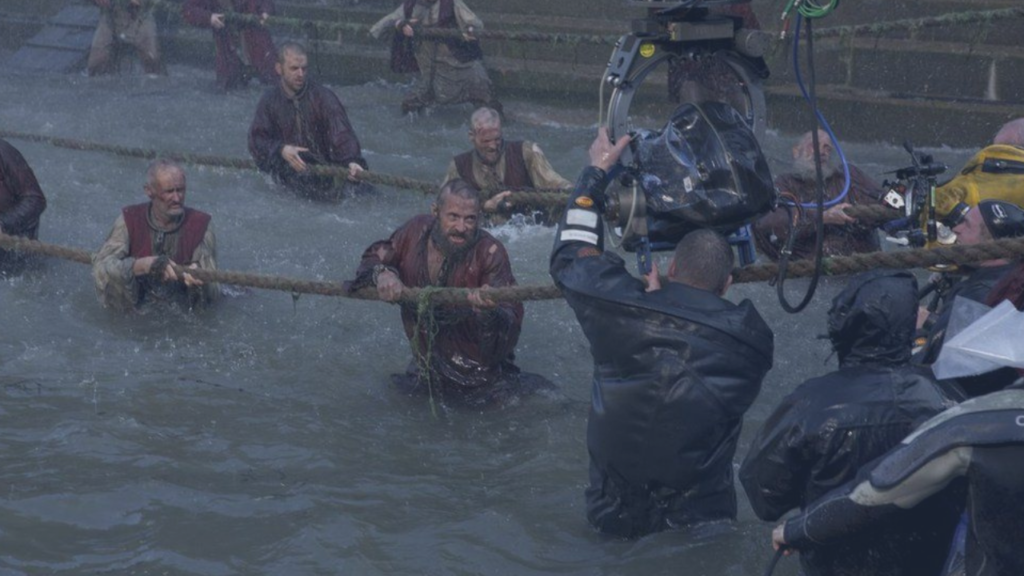
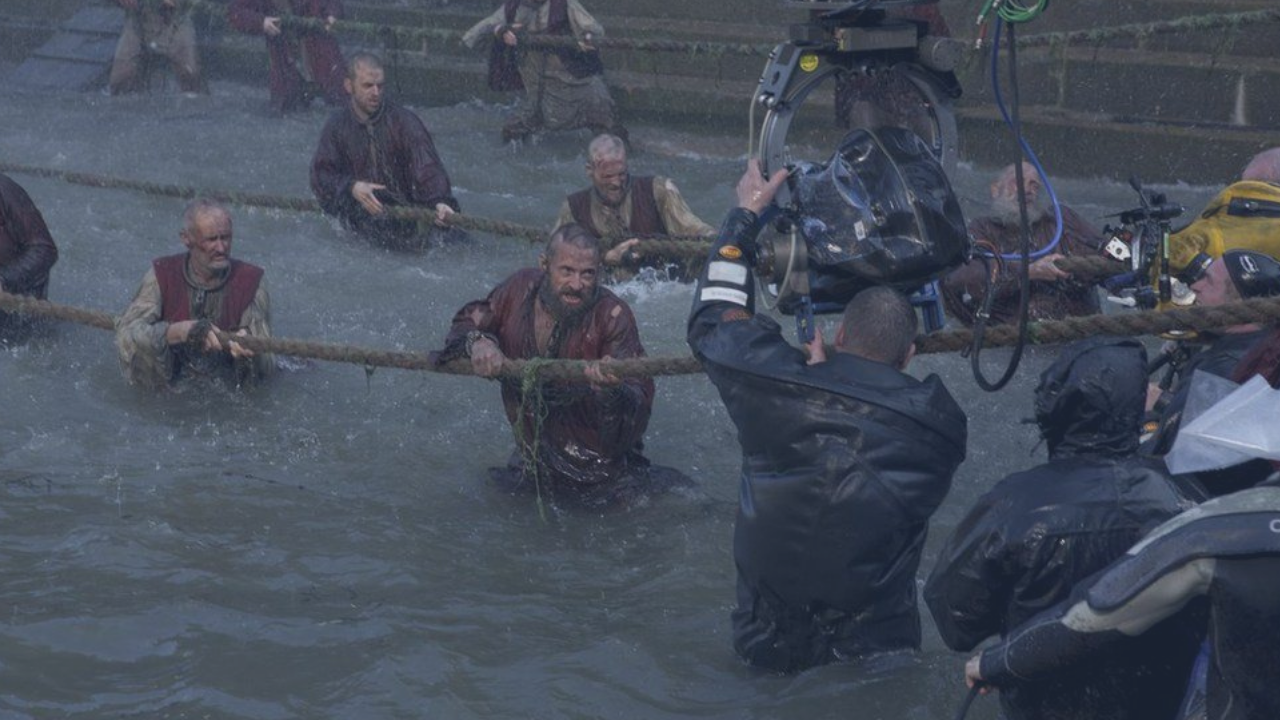
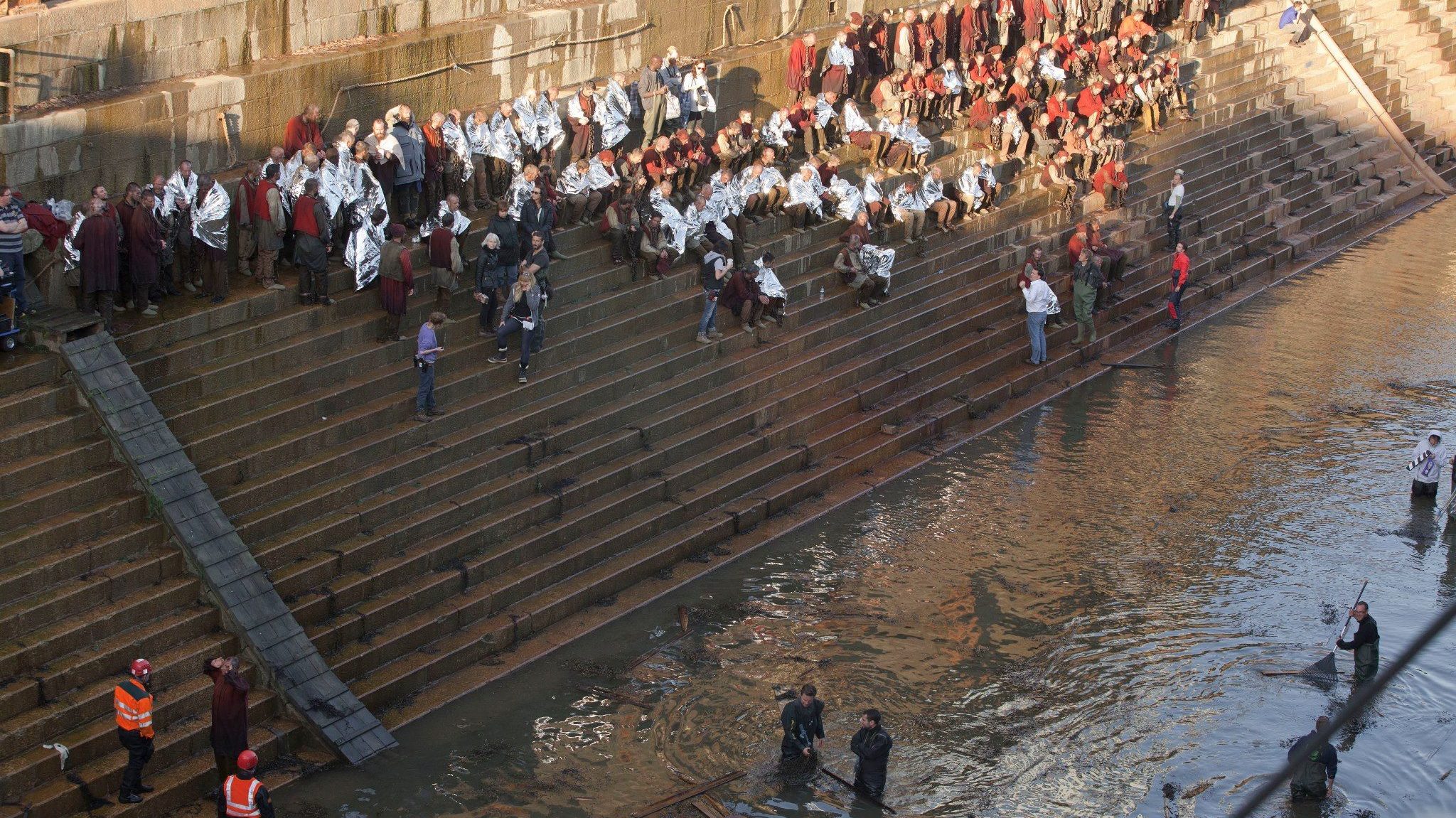
    Portsmouth’s own Historic Dockyard is used in the gritty opening of the film where Jean Valjean is among the convicts pulling a ship into the dockyard. This behind the scenes video goes into more detail on The Dockyard’s famous moment.

    Cast and crew at Portsmouth historic dockyard for filming of Les Miserables
    Cast and crew at the historic dockyard for filming of Les Miserables

    Transformers: The Last Knight, Michael Bay (2017)

    Humans are at war with the Transformers, and Optimus Prime is gone. Transformers: The Last Knight brings together inventor Cade Yeager, Bumblebee, an English lord and an Oxford professor to save the world.

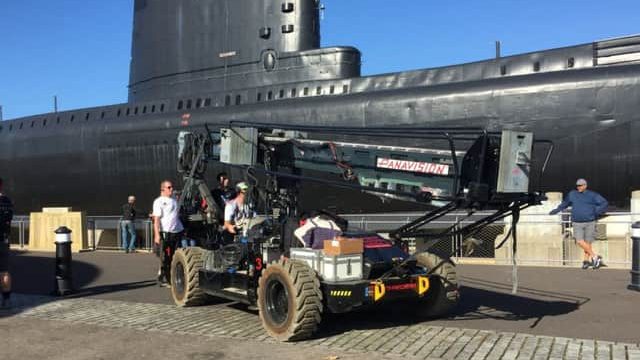
    Going slightly further afield, The Royal Navy Submarine Museum in Gosport was used as a location for the film, welcoming A-Listers Sir Anthony Hopkins and Mark Wahlberg. HMS Alliance was also used as a location for the film with scenes filmed on board the boat over three days. Again, this behind the scenes video goes into more detail. 

    Crew with HMS Alliance for Transformers: The Last Knight
    Crew with HMS Alliance for Transformers: The Last Knight

    You can find more in this series by clicking here. Thanks for stopping by!

  • Famous Portsmouth – No Time To Die and Tommy

    Famous Portsmouth – No Time To Die and Tommy

    We all wonder about the spectacle of film and fame. Could you have been standing where famous filmmakers and actors once stood? Amazingly, the answer is potentially ‘yes’ as there are several examples of feature length films that have used a Portsmouth (or close by Hampshire area) as a key part of their blockbuster movie. Today I’m going to break down two of them.

    No Time To Die, Cary Joji Fukunaga (2021)

    The final instalment of Daniel Craig’s Bond journey, No Time To Die, finds him after leaving active service, searching for a tranquil life. However, after an old friend shows up, he ends up on the trail of a mysterious villain who’s armed with a dangerous new technology.

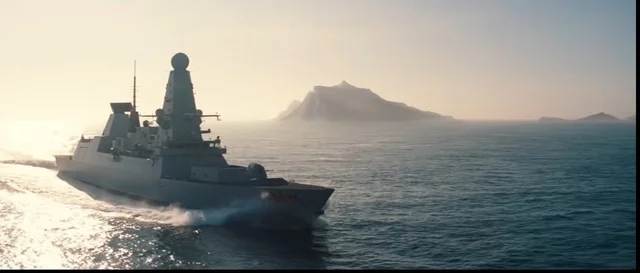
    Despite the unimaginable scale of a Bond film, Portsmouth still found a place in it. Film crews were spotted in the waters between Portsmouth and the Isle of Wight in 2019 filming boats and helicopters. HMS Dragon, a Type 45 warship based in Portsmouth, was also used in scenes filmed in secret pre-pandemic. HMS Dragon can be seen in the final trailer at around 1m50s.

    Portsmouth’s HMS Dragon in No Time To Die, (2021)

    Tommy, Ken Russell (1975)

    One of the most famous examples is Ken Russell’s Tommy filmed all over 70s Portsmouth. The film follows deaf, mute and blind Tommy. As a teenager, he stumbles upon a pinball machine and as he becomes a pinball champion and later the messiah of a religious cult.

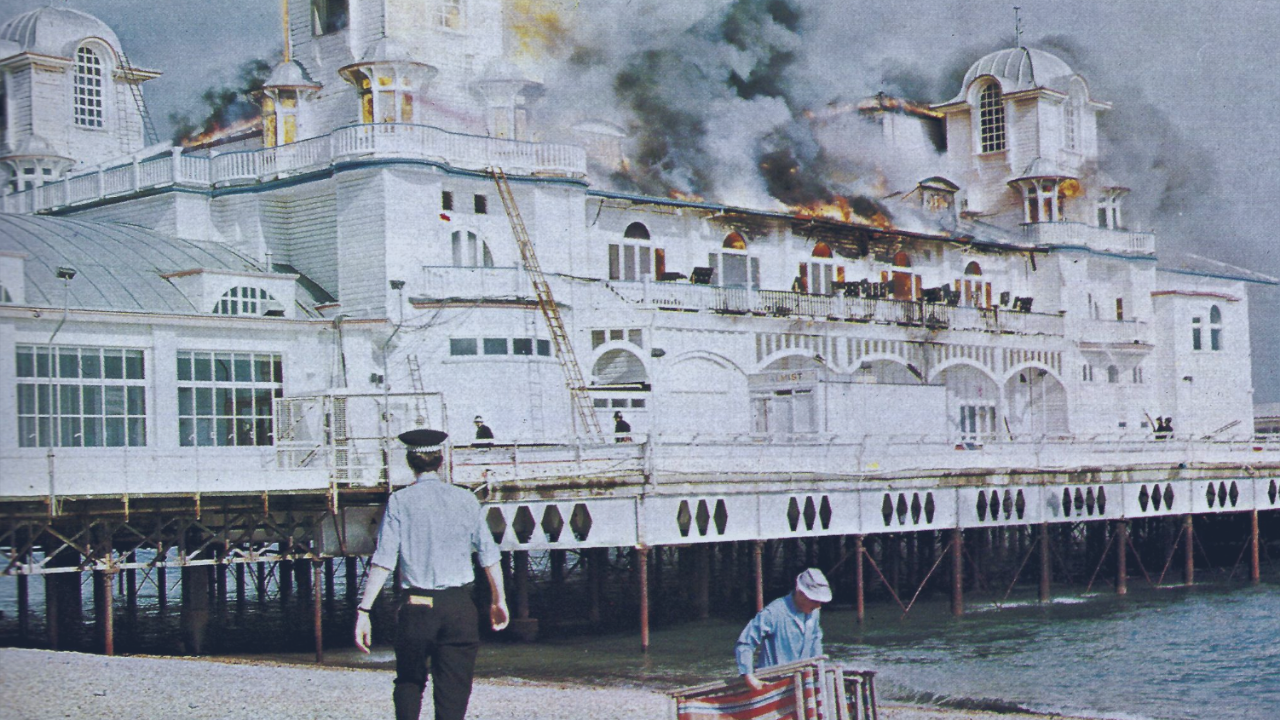
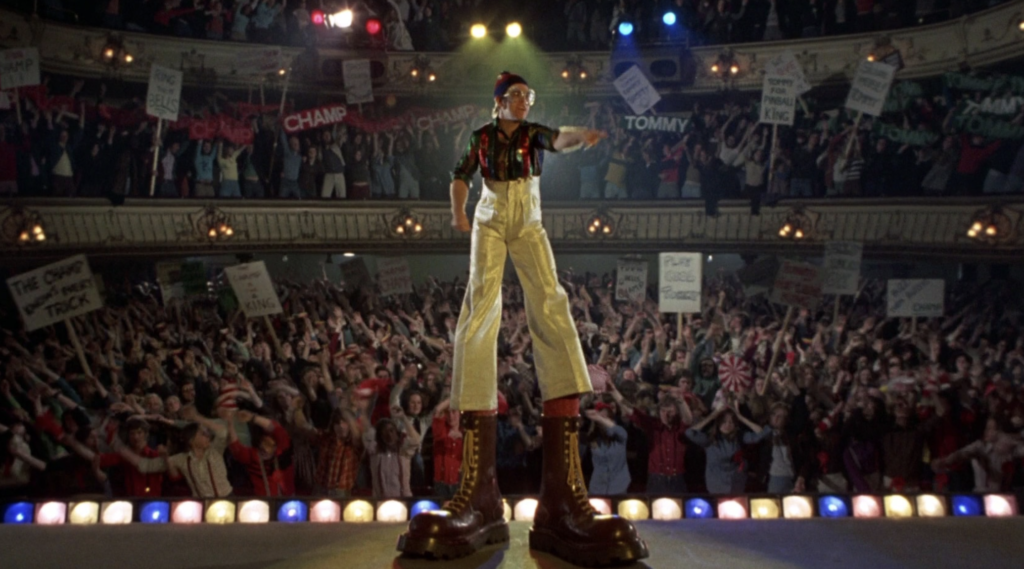
    Apart from Tommy’s birth, the rest of the movie was shot around Portsmouth and nearby Hayling Island. Fort Purbrook and the King’s Theatre also feature but the film’s most famous location is South Parade Pier. During filming it burned for the third time since its construction and the film included the event in the movie’s climax (which can be seen at the top of this post!).

    Elton John at the King’s Theatre, Tommy, (1975)

    You can find more in this series by clicking here. Thanks for stopping by!

  • ALI & AVA: ONCE UPON A TIME IN BRADFORD

    ALI & AVA: ONCE UPON A TIME IN BRADFORD

    Realism meets romance in Clio Barnard’s refreshing love story.

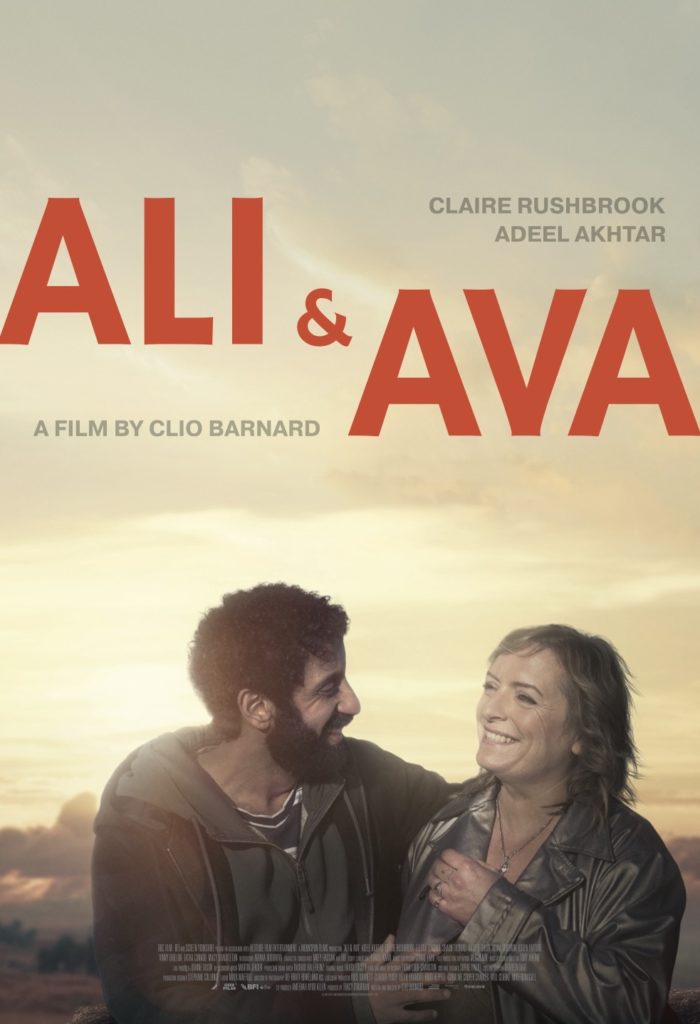
    Nominated for two BAFTA’s (Outstanding British Film and Best Actor), Ali & Ava is the centrepiece of Making Waves Film Festival 2022. Written and directed by Clio Barnard, this contemporary romance is a bold move for one of Britain’s most talented and original filmmakers.

    Barnard has earned widespread critical acclaim and multiple awards for The Arbor (2010), The Selfish Giant (2013) and Dark River (2017). Exploring dark and tragic themes across post-industrial and rural Yorkshire with a mix of professional and non-actors, her cinematic social realism and poetic naturalism has been compared to Ken Loach and Lynne Ramsay. Ali & Ava, a feel-good romance, might seem a surprising follow up.

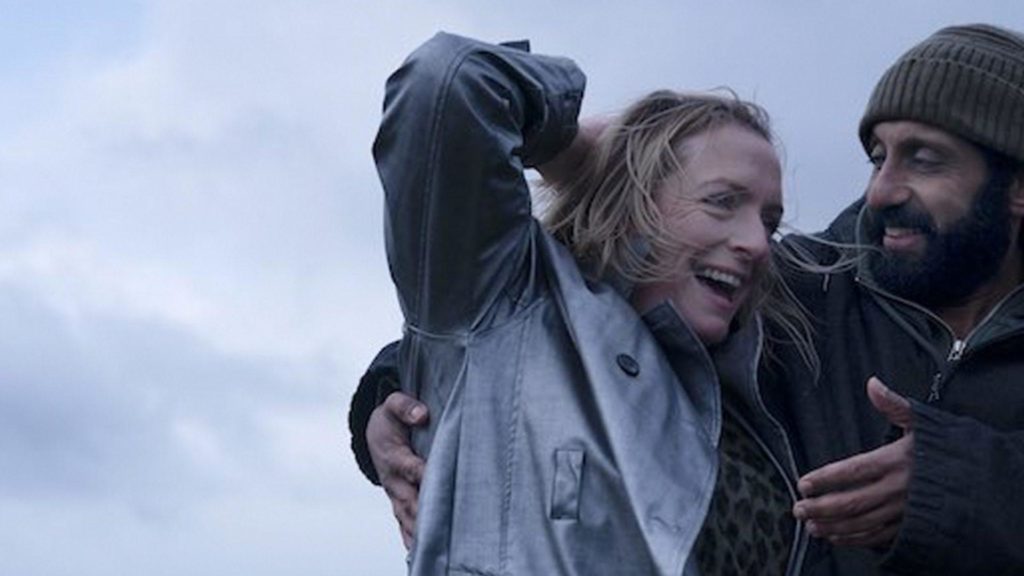
    Ali & Ava meet in the rain. Ali is a happy-go-lucky landlord who occasionally gives his tenants’ daughter Sofia a lift to school. Ava is Sofia’s classroom assistant. Ali & Ava’s first encounter is fleeting, little more than a glance. Their second is a rain-drenched journey across Bradford as Ali offers reluctant Ava a lift home. Add a frisson of sexual tension and we have a classic meet-cute. Sounds like the start of a romcom? It is… sort of.

    Adeel Akhtar’s Ali and Claire Rushbrook’s Ava are the eponymous star-crossed lovers embarking on a secret romance. A Bradford-born DJ and landlord, Ali lives in the predominantly South Asian neighbourhood of BD3 with his estranged wife Runa. He is determined to keep their separation hidden from his Bengal British Muslim family.

    Ava is a teaching assistant from an Irish Catholic family. A widow whose husband was an abusive bully, she lives in the white working class neighbourhood of BD4. Her house is always open, a revolving door of children and grandchildren.

    Ali loves dance music and when Ava shares her love of folk and country he thinks their friendship is over before it has begun.

    “Oh that’s it, that’s it for me,” he says jokingly offering to pull the car over.

    But this is a love story and it’s not long before Ali is dancing on the sofa to Sylvan Esso’s Radio next to Ava singing along to Karen Dalton’s Something On Your Mind: a headphone disco for two. It’s an extraordinary scene, a worthy addition to any list of all-time-great-romantic-movie-moments.

    Of course, once upon a time comes before happy ever after and Barnard’s middle-aged protagonists have plenty of obstacles to overcome. Ava’s son Callum is fiercely opposed to her new relationship and chases Ali from the house while wielding a sword. Ali is still desperately in love with his first wife who longs for him to reveal their separation to his family. Ava still struggles with the memory of her abusive partner. Thinking he’s having an affair, Ali’s sister accuses him of running around with a “gori (white) chav.”

    The history of romance in film has been rocky to say the least. With the great love stories consigned to the 20th century golden age of cinema, for many the genre is now synonymous with “fluff,” “melodrama,” and “clichés.” It is interesting then to note that Ali & Ava marks an evolution, not a departure, from the sombre reflection of Barnard’s early work. While Barnard treads fearlessly onto romantic ground with Ali & Ava, she retains her trademark social realism.

    “If you’re brave enough to climb up, you’ve got to be brave enough to climb down,” says Ava with practised patience to Sofia who gets stuck on the school climbing frame. 

    If you’re brave enough to show the love, you’ve got to be brave enough to show the pain. Such is the thesis of Ali & Ava. While the film leans into pain and trauma, it never dwells. Romance is tempered with reality and, in Barnard’s words, “joy becomes an act of defiance”. Nowhere is this clearer than when a group of schoolchildren throw stones at Ali’s car as he drives Ava home. Ali quickly wins them over by turning up the stereo in his car and encouraging them to sing and dance along.

    As Ali & Ava cultivate space for love in their complicated lives, it becomes apparent that love is a choice. It doesn’t negate the pain, it isn’t a miracle cure. Sometimes choosing love is the more difficult choice. Barnard reminds us it’s the right one.

    After all, she chose love when she decided to make a diagetic romantic musical set in Bradford. With its euphoric soundtrack, Ali & Ava is a love letter not just to its titular characters but to the city. Bradford is beautifully shot by Judy cinematography Ole Birkeland with twinkling lights, less a post-industrial wasteland waiting for the Conservatives to level up the North; more a city of hope. Unlike most romantic films the central couple don’t exist in a vacuum and neither does the film. As Ali and Ava are woven into the fabric of their community so is Barnard’s filmmaking, inspired by, made with and for the people of Bradford.

    It feels important, during a time of divisiveness fuelled by politicians, Brexit polls and world events, to celebrate love and kindness. To be reminded that within the ordinary everyday we can find the most extraordinary capacity to love.

    Yes, Ali & Ava is a love story. It’s also more than that. With exquisite writing, sensitive direction and mesmerising performances, Barnard’s film reminds us that the language of love is universal. More than ever we need a language we all speak to connect us and although happy ever after might not be guaranteed (no spoilers here), once upon a time is today. Love is a choice.

    Making Waves Film Festival will present a special screening of Ali & Ava preceded by a Wave Makers Q&A with Score Composer Harry Escott, winner of the Best Music British Independent Film Awards 2021. Thursday 21 April at 7pm, No 6 Cinema, Portsmouth. Book online via No 6 Cinema.

    By Sophie Thomas

  • The Cinematic Style of Wes Anderson

    The Cinematic Style of Wes Anderson

    The extravagant visual style of Wes Anderson is one that has been discussed a lot in the world of film and for good reason. He is a major inspiration for my interest in film and filmmaking. I am in awe of the unique way Anderson brings storytelling to life and the relationship between all the visual, cinematic and technical elements presented in his films. So, let’s explore further exactly what it is that makes a Wes Anderson film the way it is.

    Symmetry

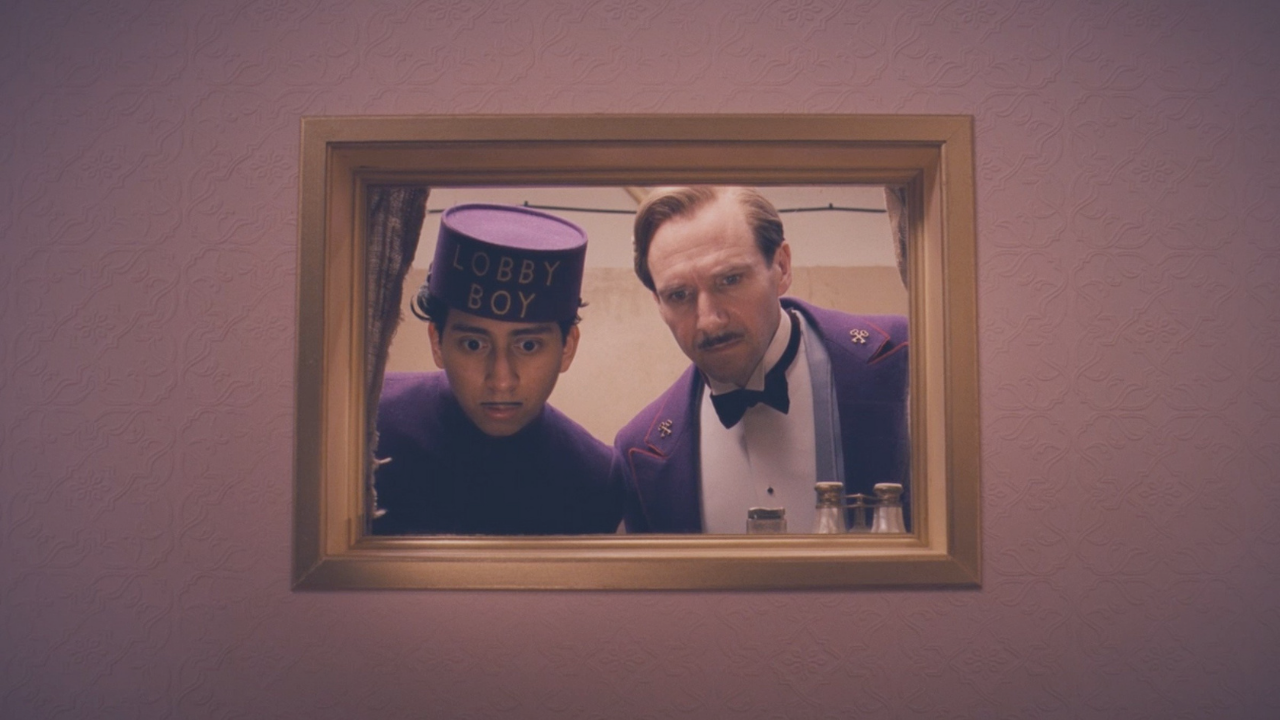
    Symmetry is one of the most notable Anderson features. Action on screen is unusually centralised and/or mirrored which draws our attention to the precision involved. Plus, the psychological connection between the human brain and symmetry could explain why its use is so mesmerising.

    Timothee Chalamet in Wes Anderson's The French Dispatch
    The French Dispatch (2021)

    Planimetric Composition (and Compass Point Editing)

    Planimetric composition (when the camera is perpendicular to elements of the scene) is what makes his shots appear two dimensional. Characters generally move horizontally or vertically in relation to these plains and the camera. Anderson also uses compass point editing techniques such as whip pans in 90 degree increments to maintain this composition. The resulting effect? The filmic space looks and feels constructed and the viewer is likely conscious of this fact. The debate here is whether this effectively contributes to the cinematic experience or if it takes the viewer out of the film instead.

    The Grand Budapest Hotel (2014)

    Colour

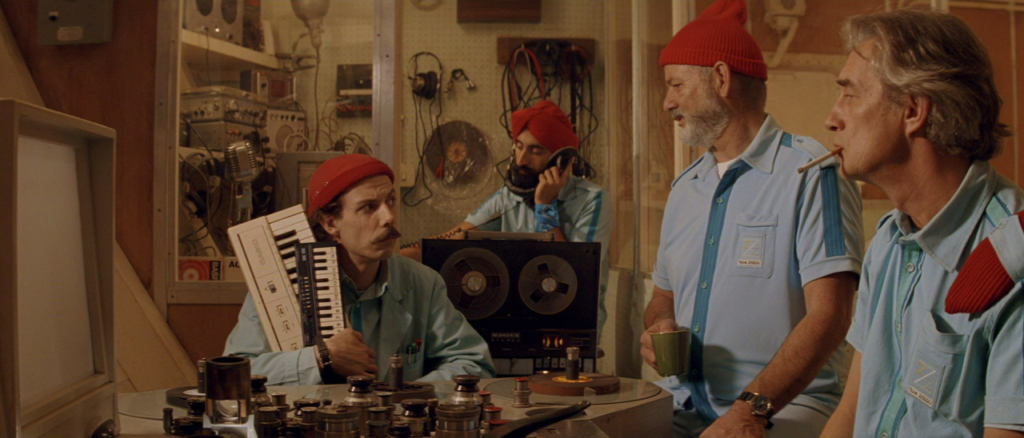
    Another stand out feature of the Wes Anderson style is colour. Notably, each movie has its own colour palette – usually charming pastel colours. When he does use bright colours, it is in contrast to sad events. This overall exaggerated use of colour creates a world far removed from reality which allows Anderson to get away with more extraordinary plots.

    The Life Aquatic with Steve Zissou (2004)

    Storytelling

    As a common thread, Wes Anderson films seem to want to highlight the ‘cinema’ of it all rather than hide the filmmaking. His films are often presented as stories within stories: Moonrise Kingdom (2012) has a narrator who speaks to the camera, Rushmore (1998) uses curtains to separate chapters like a play, and The Darjeeling Limited (2007) has a character who seems to be writing the story we’re inside of.

    The Darjeeling Limited (2007)

    It’s almost impossible to talk in depth about absolutely everything that goes into a Wes Anderson film. There’s also slow motion, tracking shots, typography and more. However, the points I’ve chosen to discuss start to break down key visual and aesthetic choices. Might go and rewatch The Grand Budapest Hotel for the fifth time now…

  • Riyadh Haque on Film Festival Communities

    Riyadh Haque on Film Festival Communities

    I spoke with University lecturer and active practitioner, Riyadh Haque, about his take on the role of a film festival among county-wide communities as well as his personal career before, and during, his residency in Portsmouth. 

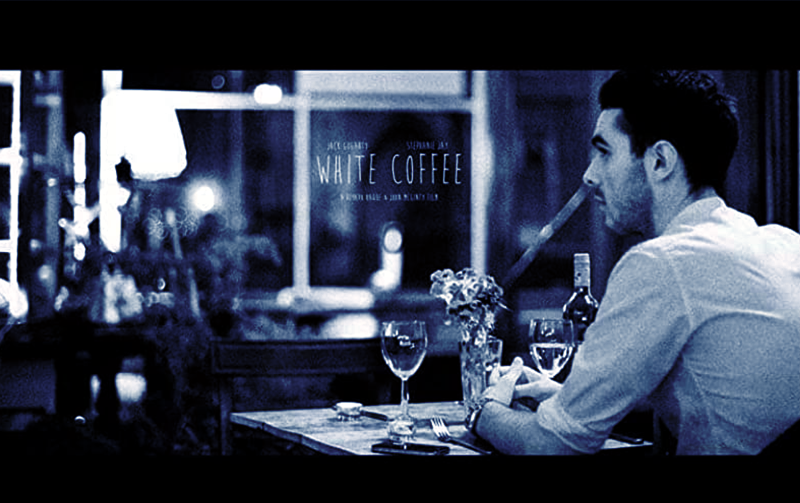
    (‘White Coffee’ – A short film directed by Riyadh Haque)

    Riyadh, What filmmaking or media projects have you worked on locally, in the Hampshire area?

    “Unfortunately, I can’t expose the details of many projects I have been involved with publicly. I can, however, briefly mention a comission project I worked on that was shot on 35mm film. The film was funded externally. We did, though, made a conscious decision to source as much of our talent and crew from the local area. This enabled us to support local, up and coming, keen filmmakers and get them involved in larger scale productions.”

    Why do you think a film festival in Portsmouth is necessary?

    “The film festival is always at the centre of the community in that area. Whilst I believe film festivals are great, they’re not usually enough on their own. The festivals host events once or twice a year and they’re great, but it can’t be left to this. Continuing to hone and support the local community is the real role of a film festival. It should be the buzzing hub at the core of a group of like-minded people.”

    What project are you most excited about being involved in, either locally or otherwise, in the coming months?

    “Ultimately, there are constantly projects and work that I am involved in, both locally and otherwise. The thing I’m really excited about being involved in is right here at Portsmouth University. Encouraging students to become the filmmakers they want to be. I have the opportunity to grow a community of young filmmakers that will surround things like Making Waves. I’d like to nurture the talent I can see here as much as possible going forward. Building upon the community we have in Portsmouth, thus growing the tomorrow’s community is what I am most excited about.”

    Riyadh’s contacts:

    Twitter – https://twitter.com/ifilmlove

    LinkedIn – https://www.linkedin.com/in/riyadhhaque/