When Billie Eilish faced harsh criticism for shedding layers of her clothes, she reacted profoundly to the media scrutiny by using cinema, narration and music. Consequently, This inspired a young film theorist Phoebe Cowin. Thus Pheobe touched upon the both sensitive and actual topic of Billie Eilish’s ‘NOT MY RESPONSIBILITY – a short film.’
Media Without Subtext:
Billie Eilish had been facing waves of public condemnations for months after changing her style and became a hot topic for newsletters. Surprisingly, there are only a few interpretations of Eilish’s provocative message online. Also, most of the articles stagnate on narrating the narration of the short film and lack exposure to the subtext. However, Phoebe Cowin reached deeper into questions about Eilish’s choice to cover up and shed the layers. In like fashion, Pheobe explores those choices in her video essay ‘Not My Responsibility: Billie Eilish, femininity is not my responsibility.’
Femininity is not my Responsibility:
”Do you know me?” Billie Eilish fearlessly exposed her opinion about others’ opinions and the friction between the music industry and femininity in her personalised message ‘Not My Responsibility.’ Eilish addressed the consequences and criticisms which had arisen from her decision to conceal her body beneath oversized clothing. Thus, Phoebe Cowin picked up layers of the artist’s statements of female representation. Furthermore, she has taken the responsibility to undress the hidden forces that shape our perception of femininity and the pressures imposed on women in today’s media.
Billie Eilish Navigating Gender Performance:
Firstly Cowin leads from Billies questions and delves into the established norms and expectations placed upon women. For instance, how does society enforce these norms? How do they affect women’s autonomy and agency? Who holds the authority to dictate how women should present themselves? How do these expectations influence our personal choices and self-perception? Secondly, Phoebe Cowin has built her video essay around those insightful inquiries and has shed light on the societal constructs that confine and define us. The essay as a whole invites us to reassess our own perspectives.
Billie Eilish Embracing Authenticity:
In a world driven by superficiality, Eilish challenges us to embrace authenticity. What happens when we resist societal standards and express ourselves on our own terms? How can we break free from the chains of judgment and embrace our true selves? How do artists separate their public persona from who they really are? Obviously, Cowin’s video essay uncovered many answers, but captives us by more profound questions about authenticity and scrutiny imposed through social norms and public eyes.
Phoebe Cowin: Not My Responsibility: Billie Eilish, femininity is not my responsibility
Premiere Tuesday 25th April 7 pm
Join the Conversation:
To summarise, Phoebe Cowin’s video essay is a call to action, urging us to engage in a broader conversation about gender, self-expression, and the pursuit of authenticity. By watching her thought-provoking analysis, we become active participants in reshaping societal narratives and dismantling oppressive constructs. Cowin’s creation aims to foster a more inclusive and accepting world.
A Closer Look: moving image criticism
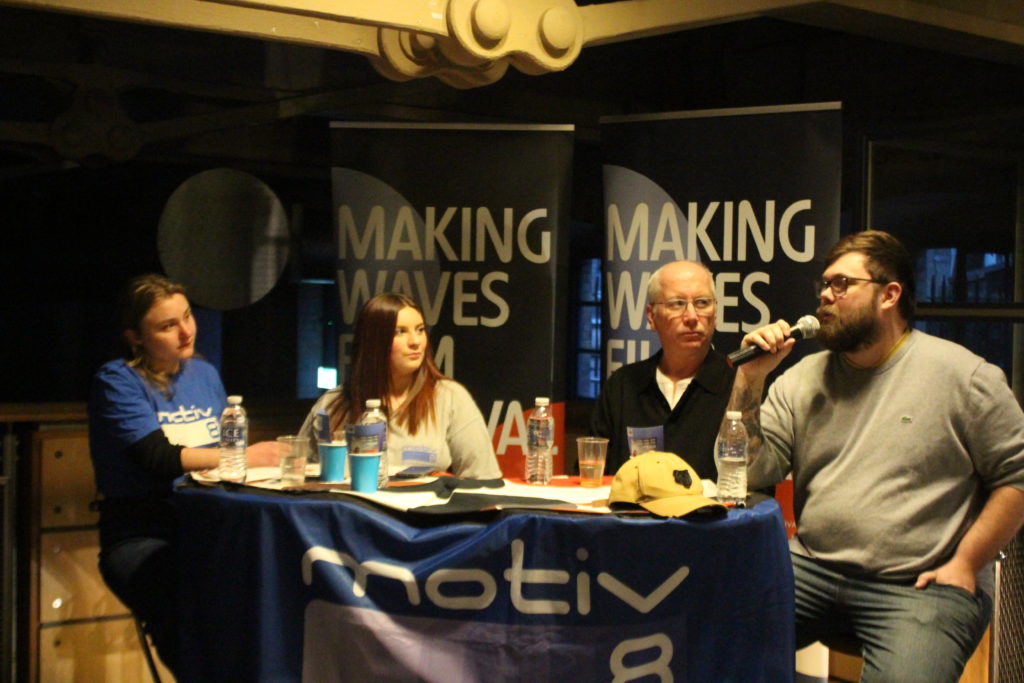
Young video essayists comment on popular audio-visual culture. Produced as part of the BA (Hons) Film and Television degree at Solent University and brought to you by Making Waves Film Festival.
If you liked reading about Phoebe Cowin’s video essay Not My Responsibility: Billie Eilish, femininity is not my responsibility, you can consider sharing this or visiting our social media.
SHARE THIS:
- What does screen culture mean to you?
- A Closer Look: Pixar’s SparkShorts – Stories of Difference and Belonging
- A Closer Look: Pixar and the Emotional Impact of the Short Film Form
- A Closer Look: You Know Where to Find Me – Intimacy, Independence, and Emotion in Short Film
- A Closer Look: Marvel Shorts – How side stories shape side characters