Author: Peter Andras

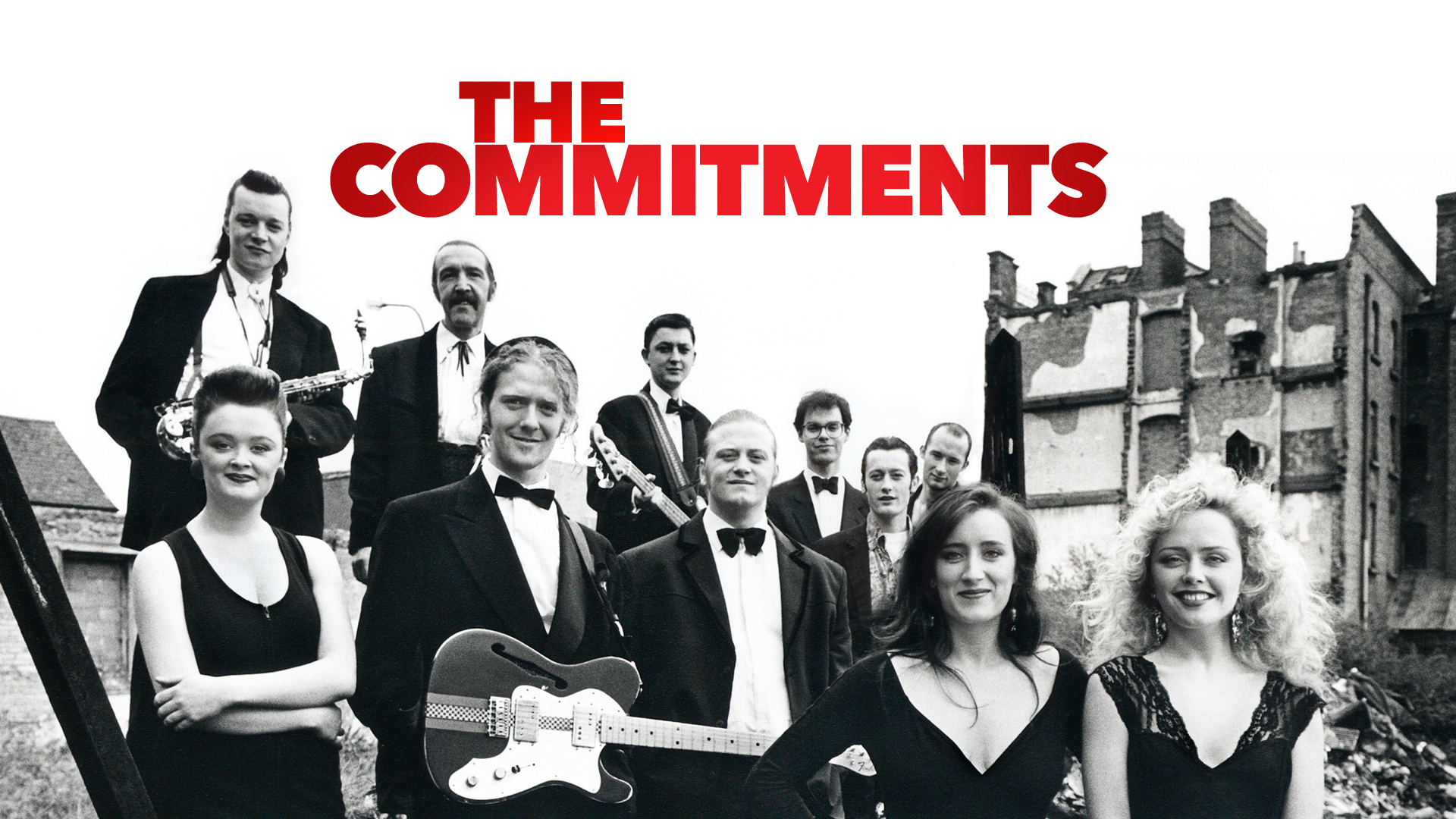
  • Rediscovering a timeless classic – “The Commitments” (1991)

    Rediscovering a timeless classic – “The Commitments” (1991)

    So, I’ve been diving back into the classics recently, and guess what popped up on my radar? “The Commitments” – that vibrant, soulful, and utterly compelling 1991 film directed by Alan Parker. Yeah, I know, it’s been a while, but bear with me because this one’s a real treasure, especially for us here in Portsmouth.

    First off, let’s chat about the film itself. “The Commitments” is like a love letter to soul music, set against the backdrop of Dublin, Ireland. It tells the story of Jimmy Rabbitte, an ambitious music fanatic who forms a soul band with a bunch of local misfits. These aren’t your polished, ready-for-the-spotlight musicians; they’re raw, real, and have the kind of passion for music that’s contagious.

    The film is a delightful mix of humour, drama, and some seriously good tunes. It’s about more than just the music, though. It’s about ambition, identity, and the power of dreams. It’s about the gritty, everyday struggle and the beauty of creating something meaningful amidst all that.

    Now, why am I rambling on about a film from the early ’90s to you, my fellow Portsmouth dwellers? Because, believe it or not, “The Commitments” has a lot to say to us today.

    Why Portsmouth, Why Now?

    Portsmouth, our beloved port city, shares more than a few similarities with Dublin. There’s a certain resilience and spirit here, born out of our rich maritime history and our own unique blend of cultures and communities. Like the characters in the film, we know a thing or two about facing economic challenges and coming out stronger, with a sense of humour and a song in our hearts.

    And let’s talk about music. If there’s one thing that “The Commitments” showcases, it’s the power of music to bring people together. Our city’s music scene is as vibrant and diverse as they come, and this film celebrates just that – the universal language of rhythm and soul that knows no boundaries.

    But perhaps most importantly, in these uncertain times, “The Commitments” reminds us of the importance of chasing our dreams, no matter how far-fetched they may seem. It’s about finding your voice, your tribe, and making a little magic happen, against all odds. Isn’t that something we all need a reminder of now and then?

    So, Why Should You Care?

    Because “The Commitments” isn’t just a film. It’s a journey back to a time when soul music was king, but it’s also a timeless story of perseverance, community, and the transformative power of music. For us in Portsmouth, it’s a mirror reflecting our own stories of resilience, diversity, and the unifying power of art.

    Screening this film in Portsmouth is more than just a trip down memory lane; it’s a celebration of our city’s spirit, our collective struggles, and our undying love for good music. It’s a reminder that, no matter what, we can come together, find common ground, and maybe, just maybe, make something beautiful.

    So, whether you’re a die-hard fan or a curious newcomer, I invite you to rediscover “The Commitments” with me. Let’s celebrate its message, its music, and what it means to be a part of this vibrant, ever-resilient city of Portsmouth.

    Trust me, it’s a journey well worth taking. And who knows? Maybe it’ll inspire you to start a little band of your own. After all, as the film shows us, sometimes all it takes is a dream and a few chords to start something extraordinary.

    Catch you at the screening, friends. Let’s keep the soul alive and kicking in Portsmouth! Get your tickets here.
    You can see The Commitments at Portsmouth’s first live cinema experience at The Staggeringly Good Brewery on Saturday 30th March, from 18:30 to midnight, for a unique live cinema experience featuring “The Commitments.” Dive into the ’90s, participate in live auditions, or vote for your favourite singer, all while enjoying a night of soul with The Soul Suspects. Don’t forget your ’90s attire for a chance to win a prize!
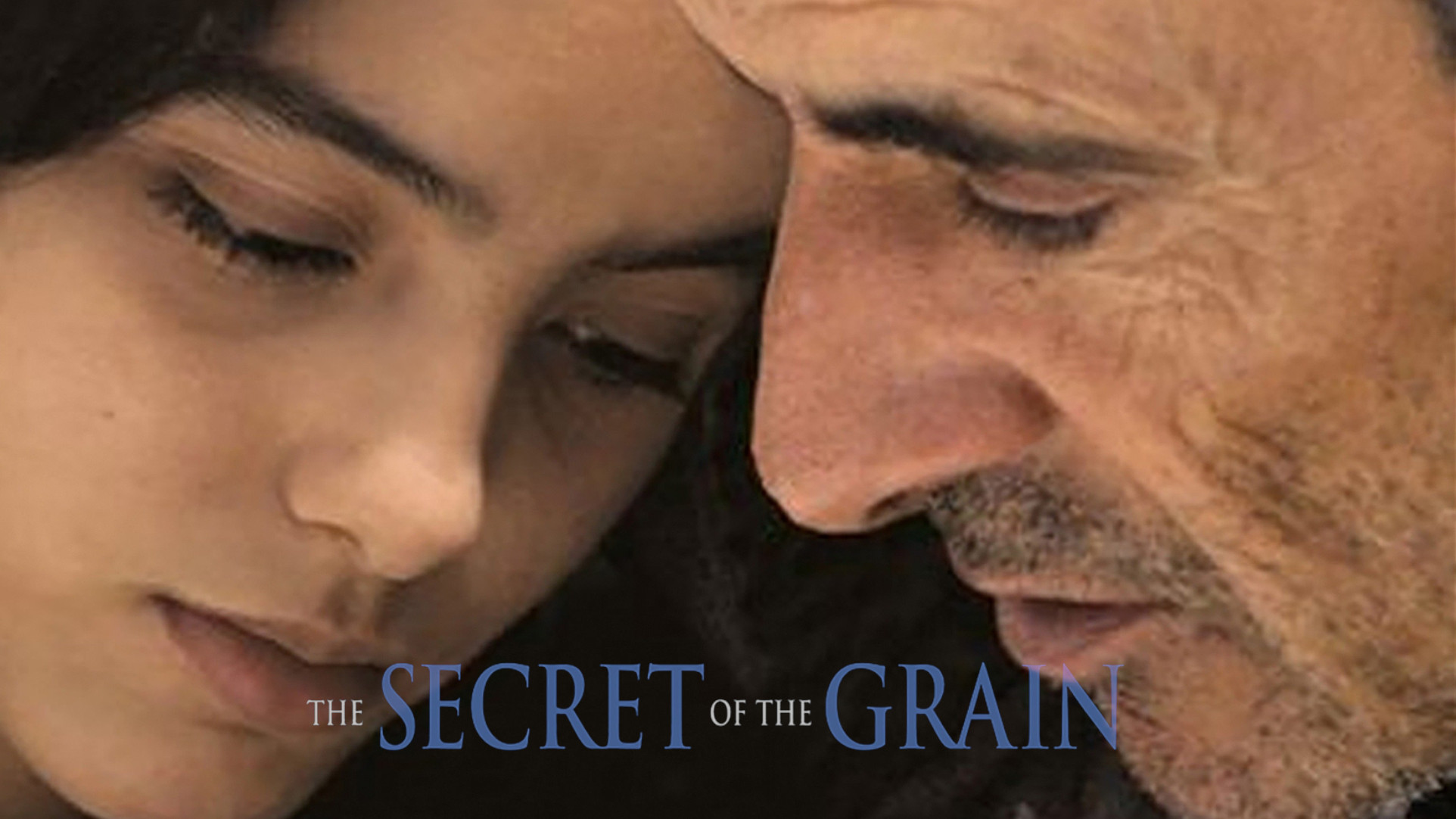
  • “The Secret of the Grain” (2007): A Must-Watch for Portsmouth

    “The Secret of the Grain” (2007): A Must-Watch for Portsmouth

    Have you ever watched a film that stayed with you long after the credits rolled? “The Secret of the Grain” is one such masterpiece that does just that, and I’m thrilled to share why it’s a must-watch for us in Portsmouth, especially right now.

    Directed by Abdellatif Kechiche in 2007, this French drama dives deep into the heart of a North African immigrant family’s life in France. It’s a story that, while set in a specific community, unravels universal themes of family, ambition, and the unifying power of food, making it a poignant watch for anyone, anywhere.

    Why “The Secret of the Grain” and Why Portsmouth?

    Cultural Mosaic

    Portsmouth, our beloved port city, is a tapestry of cultures, each thread contributing to our vibrant community. This film, with its intimate portrayal of immigrant life and the struggle for cultural identity, mirrors the experiences of many in our city. It’s a conversation starter about diversity, integration, and the richness that different cultures bring to our collective table.

    Resilience in the Face of Adversity

    Slimane, the film’s protagonist, is laid off but doesn’t let this setback crush his spirit. Instead, he dreams big – of opening a couscous restaurant on a boat. In today’s economic climate, who can’t relate to the fear of losing a job or the dream of starting something new? Portsmouth has seen its share of ups and downs, and Slimane’s story is a testament to the resilience that defines us.

    The Language of Food

    If there’s one thing that can bring people together, it’s food. “The Secret of the Grain” celebrates this idea, showing how Slimane’s dream revolves around a traditional dish that becomes a symbol of hope and unity. Portsmouth’s own food scene is a testament to how cuisine can bridge gaps between cultures, serving as a delicious reminder of our shared humanity.

    The Complexity of Family and Community

    This film doesn’t shy away from the messy, beautiful complexities of family life, something we can all relate to. It’s about support systems, generational gaps, and the ties that bind us. It’s a nod to our own communities in Portsmouth, where family and neighbours come together in times of need, celebrating victories and facing challenges as one.

    Chasing Dreams

    At its core, “The Secret of the Grain” is about the courage to chase your dreams, no matter the odds. It’s a message that resonates with anyone who’s ever had a dream, especially in a city known for its entrepreneurial spirit like Portsmouth.

    Wrapping Up

    “The Secret of the Grain” isn’t just a film; it’s a reflection of life’s complexities, joys, and the relentless pursuit of dreams. For us in Portsmouth, it’s a mirror to our own experiences, challenges, and the beauty of our diverse community.

    So, why not join us for a screening? It’s the perfect time to come together, celebrate our city’s spirit, and maybe find a little inspiration to chase your own dreams, whatever they may be.

    Looking forward to seeing you there and hearing your thoughts on this cinematic gem. Let’s keep the conversation going and the dreams alive, Portsmouth!

    Catch you at the screening! Get your tickets here.

    Join us at All Saints Church, Portsmouth, on Saturday 23rd March from 17:00-22:00The Secret of the Grain – Cinematic Dining Experience, for a unique evening of film and food with “The Secret of the Grain” (2007). Celebrate community and culture during Ramadan with a special screening and authentic North African meal, supporting the incredible work of Portsmouth City of Sanctuary and Kitchen of Hope. Secure your spot with a £10 donation to Kitchen of Hope.
  • Tim Burton’s Macabre through James March’s Film Analysis

    Tim Burton’s Macabre through James March’s Film Analysis

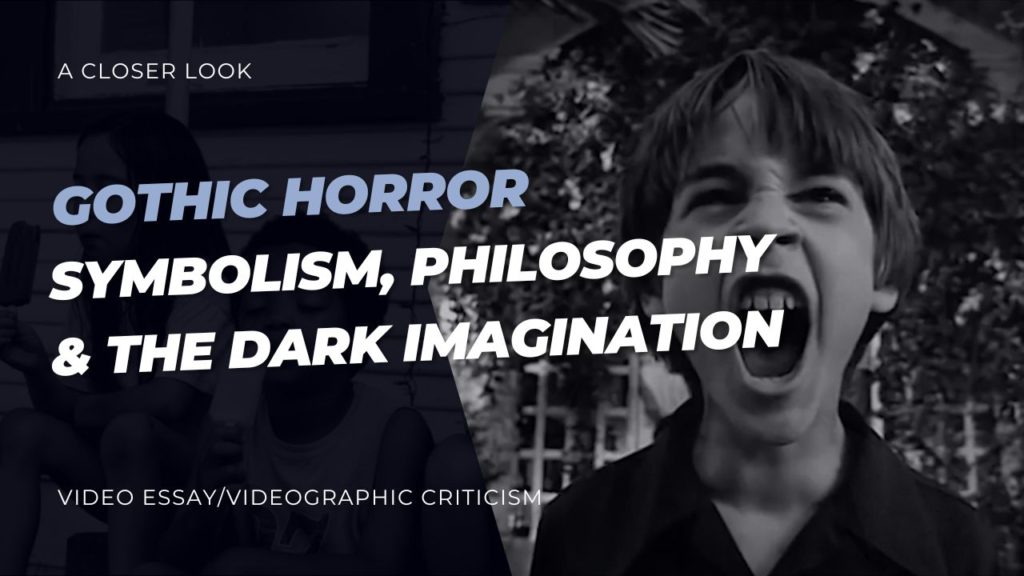
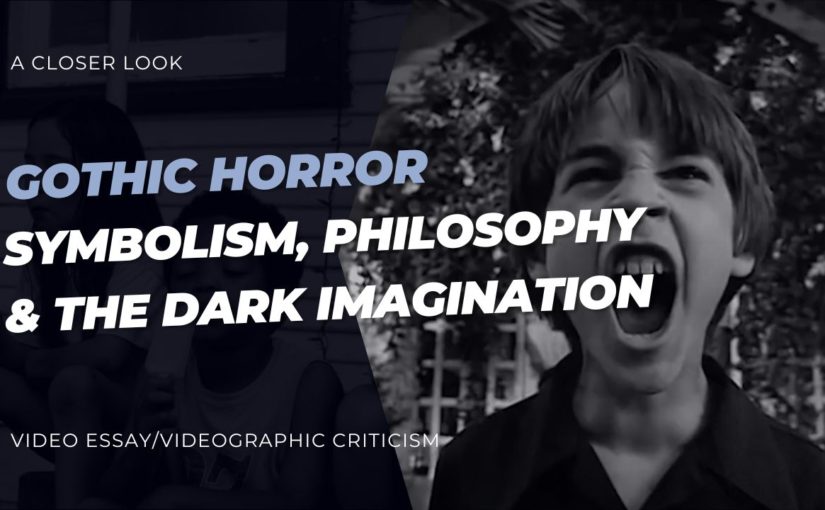
    Tim Burton’s Macabre stories have made a persistent impression. Firstly, they influenced filmmakers worldwide. Secondly, his most recent masterpieces inspired many articles and vlogs. However, unlike the others, James March decided to explore the legendary filmmaker’s early work. Therefore, there are many secrets to be found in this mesmerizing video essay ‘Gothic Horror: symbolism, philosophy & the dark imagination.’

    Haunted Realm of Tim Barton’s with James March

    Only a few creators have left a lingering mark on the imagination of the audience quite like Tim Burton. His unique blend of gothic horror and whimsy surreal visuals has been fascinating for millions of film lovers worldwide. With James March as our guide and his rich visual interpretation, we can uncover the hidden depths beneath the surface of Burton’s visionary creations.

    James March explores Tim Burtno's Macabre cinema in this video essay; 'Gothic Horror: symbolism, philosophy & the dark imagination.'

    A Cinematic Exploration of Enigmatic Macabre Secrets

    From the first frame, we are transported into the depths of Burton’s dark imagination. The video essay begins with peeling back the layers of symbolism and horror homage that define Burton’s first short film ‘Vincent’. Above all, James March shares his profound insights and experiences while unravelling the enigmatic secrets of Tim Burton’s macabre mastery. March’s meticulous film analysis explores the haunted story world, the tormented souls of Burnot’s characters, and the rich tapestry of Burton’s influences.

    Uncovering the Tapestry of Tim Burton’s Influences

    To start with, March’s keen eye for detail and deep understanding of Burton’s cinematic language brought the symbolism to life in ways only a few can imagine. In other words, James deciphered the intricate messages that lurked beneath the surface. Because he reveals the profound depths of Burton’s dark imagination. Additionally, James shed light on the profound connections to literary traditions, unlocking a deeper appreciation for the layers of meaning woven throughout Burton’s distinctive style.

    Tim Burton’s Homage to Macabre and Horror Icons

    As we venture further, March’s analysis seamlessly connected the dots. Moreover, It reveals the interwoven threads that bind Burton’s films together themes, motifs, and recurring elements took on new significance accordingly. Above all, this is transcending individual narratives and weaving a tapestry of dark enchantment from Mary Shelley to Edgar Allan Poe’s gothic tales to echoes of classic horror icons. Through March’s insight, you can begin to acknowledge Burton’s skillfully blended homage and innovation, paying tribute to the masters while carving his own path.

    James March explores Tim Burton’s Macabre cinema in this video essay; ‘Gothic Horror: symbolism, philosophy & the dark imagination.’

    https://youtu.be/OznAC-oOTnk
    James Marsh: Gothic Horror: symbolism, philosophy & the dark imagination
    No copyright strikes 
    Premiere Tuesday 2nd May 7 pm 

    A Closer Look: moving image criticism

    Young video essayists comment on popular audio-visual culture. Produced as part of the BA (Hons) Film and Television degree at Solent University and brought to you by Making Waves Film Festival.

    If you liked reading Tim Burtno’s Macabre through James March’s Film Analysis, you can consider sharing this or visiting our social media.


  • The cinematography of Love, ‘The Light: and the Little Girl.’

    The cinematography of Love, ‘The Light: and the Little Girl.’

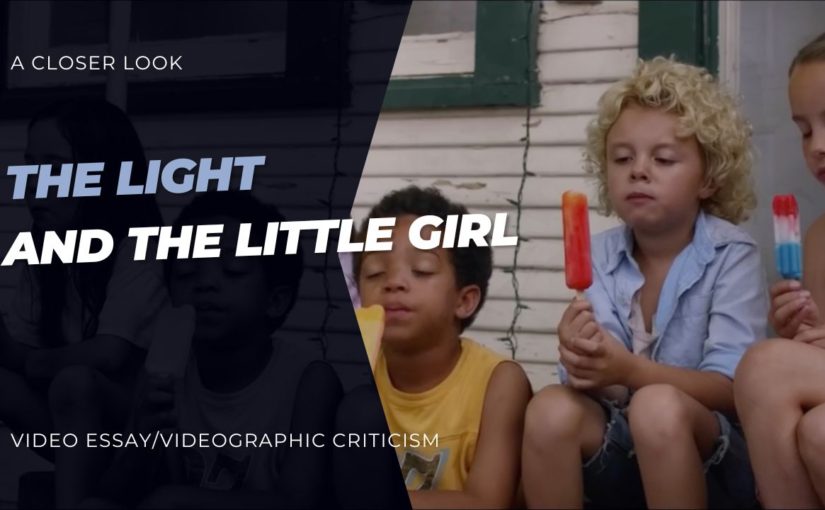
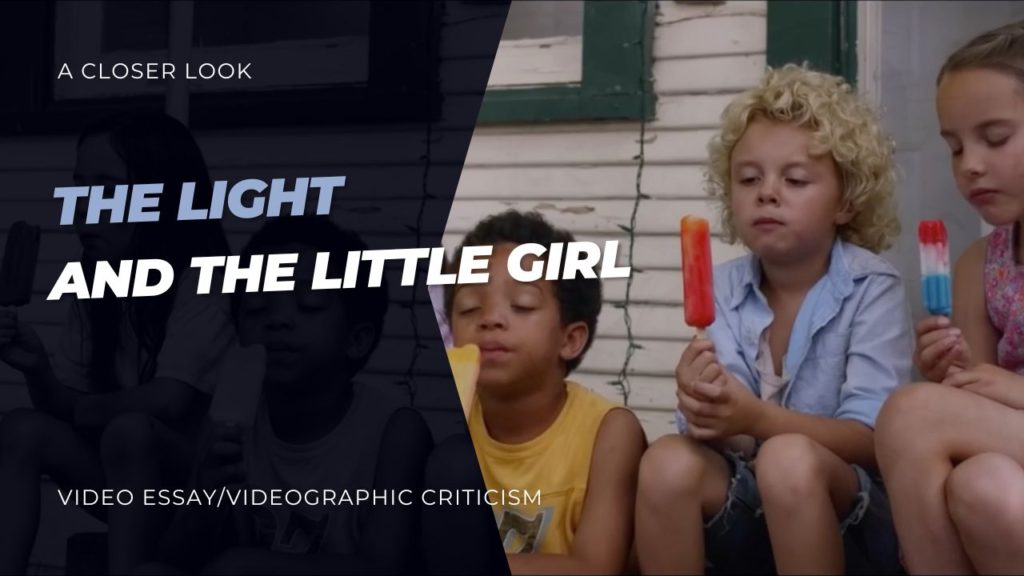
    Love can be interpreted in endless variations, mainstream films might saturate this theme in nearly all possible variations. However, Alice Cockburn’s video essay, ‘The Light: and the little girl’ beams the light of insightful knowledge on exploring this theme innovatively and playfully. Let’s have a closer look at the Cinematography of Love in this short film with Alice Cockburn.

    In a Ray of Love

    Romantic films commonly present affection between humans and love for our animal friends or hobby. However, have you ever considered that someone can feel this mysterious sensation towards something less tangible? Something more ethereal? Alice started by exploring the short romantic film of cinematographer Jih-E Peng and Director Guy Poole. In her video essay, Alice narrates how this heartbreaking journey captured hearts worldwide. Also, It is about the unusual connection that makes the short film stand out from the popular film genre creatively and poetically. The title of this fascinating short film is ‘The Light and a little girl.’

    Short Film about Love as a Poem

    Accordingly, Alice Cockburn has found this theme fascinating. She explains how this film carries the love theme without unnecessary dialogue, it is pure Cinematography of Love. Also, How the director convinced the audience that the little girl truly developed her first short romantic relationship with a ray of sunlight. Therefore, Alice took on the challenge in her video essay to explain mastery of the film’s fluidity and comprehensive narration with no use of dialogue. Firstly, Alice has captured the essence of theoretical reasoning, which stands behind the fluidity and comprehensiveness of this masterpiece. Secondly, Alice enlighted those theories through the bright thinking of writers such as Edgar Allan Poe and John Ruskin. Ultimately, Alice’s video essay explains a correlation between this short film and Poe’s ‘Brief’ and how the brevity of this short film allows for a succinct experience of the first love and heartbreak.

    The Cinematography of Love in a short film, The Light and the little girl.

    Alice Cockburn: The Light: and the little girl
    No copyright strikes 
    Premiere Tuesday 18th April 7 pm 

    The light and the little girl in short.

    To summarise, Alice’s video essay is an insightful creation that shines through this short film by explaining this unusual connection between poem theories and film narration. The experience of watching this video essay was enlighting, a true exploration of the cinematography of love. I can’t wait to hear your thoughts about this video essay and film.

    The cinematography of Love in a short film, the light and the little girl.

    The light and the little girl
    The cinematography of Love in a short film, the light and the little girl.

    A Closer Look: moving image criticism

    Young video essayists comment on popular audio-visual culture. Produced as part of the BA (Hons) Film and Television degree at Solent University and brought to you by Making Waves Film Festival.


    If you liked reading The Cinematography of Love in a short film, the light and the little girl, you can consider sharing this or visiting our social media.


  • Undressing Billie Eilish’s message in Phoebe Cowin’s video essay Not My Responsibility: Billie Eilish, femininity is not my responsibility

    Undressing Billie Eilish’s message in Phoebe Cowin’s video essay Not My Responsibility: Billie Eilish, femininity is not my responsibility

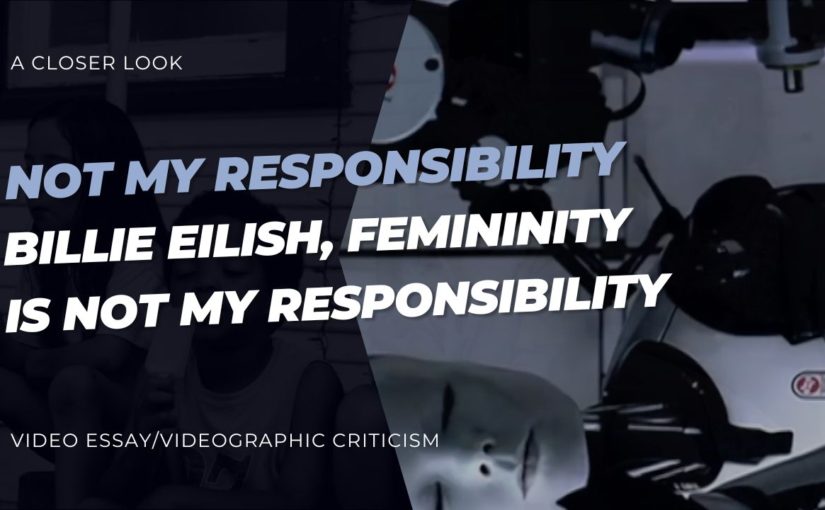
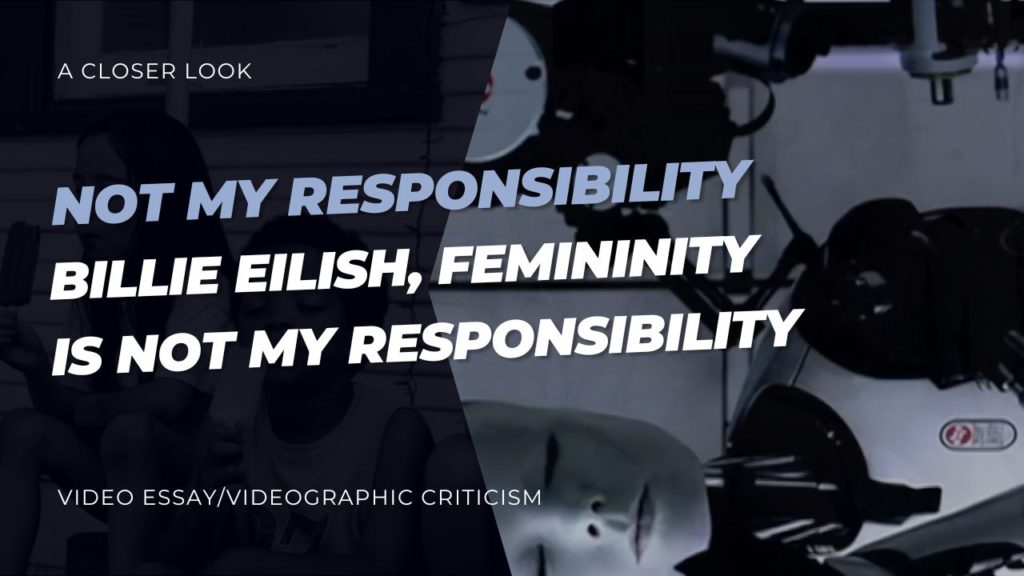
    When Billie Eilish faced harsh criticism for shedding layers of her clothes, she reacted profoundly to the media scrutiny by using cinema, narration and music. Consequently, This inspired a young film theorist Phoebe Cowin. Thus Pheobe touched upon the both sensitive and actual topic of Billie Eilish’s ‘NOT MY RESPONSIBILITY – a short film.’

    Media Without Subtext:

    Billie Eilish had been facing waves of public condemnations for months after changing her style and became a hot topic for newsletters. Surprisingly, there are only a few interpretations of Eilish’s provocative message online. Also, most of the articles stagnate on narrating the narration of the short film and lack exposure to the subtext. However, Phoebe Cowin reached deeper into questions about Eilish’s choice to cover up and shed the layers. In like fashion, Pheobe explores those choices in her video essay ‘Not My Responsibility: Billie Eilish, femininity is not my responsibility.’

    Phoebe Cowin sheds layers of Billie Eilish's message in the video essay, about Billie Eilish 'NOT MY RESPONSIBILITY - a short film.'

    Femininity is not my Responsibility:

    ”Do you know me?” Billie Eilish fearlessly exposed her opinion about others’ opinions and the friction between the music industry and femininity in her personalised message ‘Not My Responsibility.’ Eilish addressed the consequences and criticisms which had arisen from her decision to conceal her body beneath oversized clothing. Thus, Phoebe Cowin picked up layers of the artist’s statements of female representation. Furthermore, she has taken the responsibility to undress the hidden forces that shape our perception of femininity and the pressures imposed on women in today’s media.

    Billie Eilish Navigating Gender Performance:

    Firstly Cowin leads from Billies questions and delves into the established norms and expectations placed upon women. For instance, how does society enforce these norms? How do they affect women’s autonomy and agency? Who holds the authority to dictate how women should present themselves? How do these expectations influence our personal choices and self-perception? Secondly, Phoebe Cowin has built her video essay around those insightful inquiries and has shed light on the societal constructs that confine and define us. The essay as a whole invites us to reassess our own perspectives.

    Billie Eilish Embracing Authenticity:

    In a world driven by superficiality, Eilish challenges us to embrace authenticity. What happens when we resist societal standards and express ourselves on our own terms? How can we break free from the chains of judgment and embrace our true selves? How do artists separate their public persona from who they really are? Obviously, Cowin’s video essay uncovered many answers, but captives us by more profound questions about authenticity and scrutiny imposed through social norms and public eyes.

    Phoebe Cowin: Not My Responsibility: Billie Eilish, femininity is not my responsibility

    Copyright allowed to be used 
    Premiere Tuesday 25th April 7 pm

    Join the Conversation:

    To summarise, Phoebe Cowin’s video essay is a call to action, urging us to engage in a broader conversation about gender, self-expression, and the pursuit of authenticity. By watching her thought-provoking analysis, we become active participants in reshaping societal narratives and dismantling oppressive constructs. Cowin’s creation aims to foster a more inclusive and accepting world.

    A Closer Look: moving image criticism

    Young video essayists comment on popular audio-visual culture. Produced as part of the BA (Hons) Film and Television degree at Solent University and brought to you by Making Waves Film Festival.

    If you liked reading about Phoebe Cowin’s video essay Not My Responsibility: Billie Eilish, femininity is not my responsibility, you can consider sharing this or visiting our social media.


  • Horror Genre in Music Videos: “Pop Music: The Visual Necessity of Apparatus”

    Horror Genre in Music Videos: “Pop Music: The Visual Necessity of Apparatus”

    Have you ever wondered about the inspiration behind some of the most iconic music videos? Nat Pearce is a visionary film enthusiast who delved into this fascinating topic with Director Ayodeji in his captivating video essay, “Pop Music: The Visual Necessity of Apparatus.” 

    Pushing Boundaries: The Influence of the Horror Genre in music videos

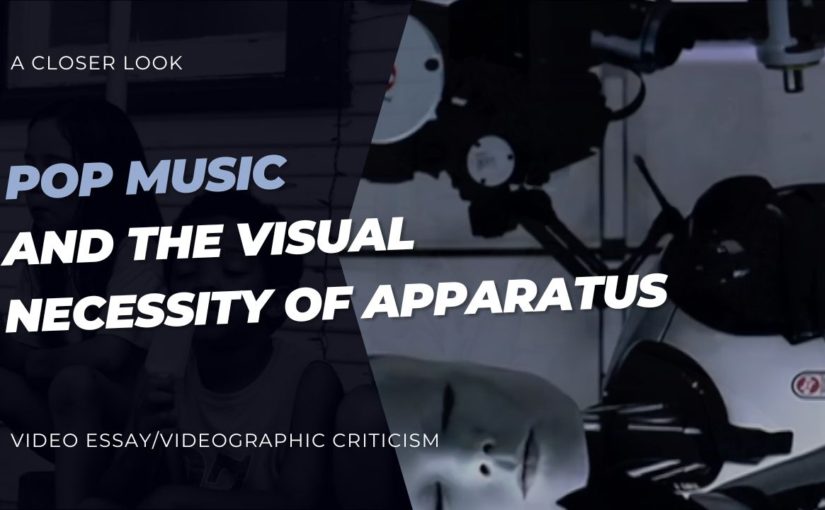
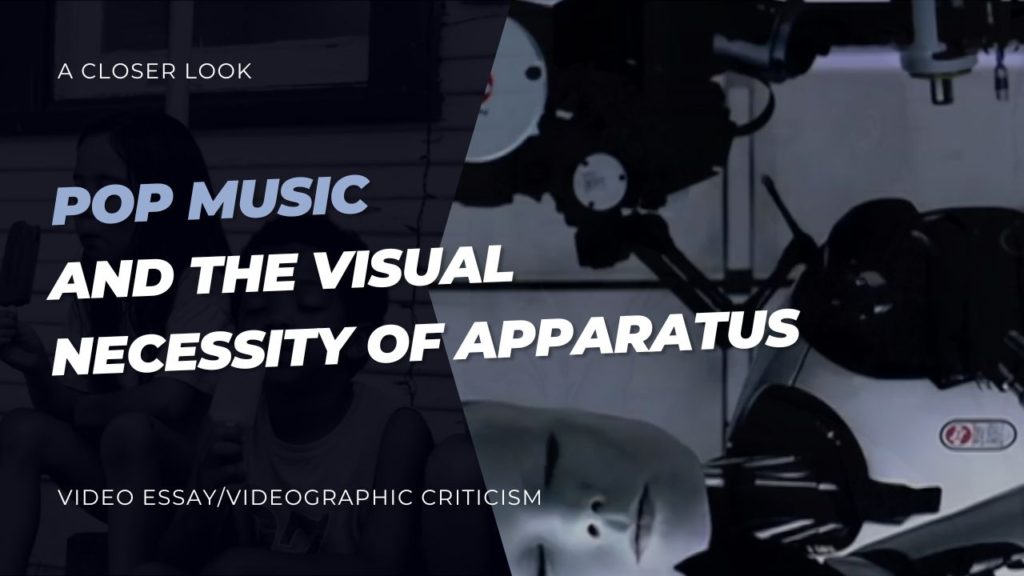
    Nat’s video essay is a fascinating visual exploration of how the horror genre pushes the boundaries of music videos. To begin with, Nat Pearce opens this topic by examining the nightmarish qualities of some of the most iconic music videos. The video essay delves into the collaboration between renowned director Chris Cunningham and iconic artists like Madonna, Bjork, and Apex. However, the main topic is an in-depth look at Director Ayodeji’s thought-provoking music video, “Underscores – spoiled little brat.” Significantly, Nat argued that these videos transcend their role as mere promotional tools. Consequently, This way of music videos transformed into powerful mediums for artistic expression.

    Nat Pearce explores the horror genre in music videos in their captivating video essay, "Pop Music: The Visual Necessity of Apparatus." 
    Horror Genre in Music Videos

    Artistic Purity vs. the Corporate Machinery in music videos

    Nat starts the video essay with the most iconic artists and high-budget production. On the other hand, there is Director Ayodeji’s indie work, “Underscores – spoiled little brat.” Firstly, it might lack the glamour of conventional music industry icons but is not short for artistic expression and creativity. Nat Pearce highlighted how Ayodeji had expanded the concept of capturing an artist’s imagery by borrowing the horror genre narrative. Subsequently, Nat explains how Ayodeji masterfully incorporated props, locations, and cinematography to highlight the contrast of life with and without stardom. Secondly, Director Ayodeji utilised a comprehensive approach and added depth and meaning to the performance and narration. Therefore, they elevated beyond the traditional music video experience and created a narrative like a reflective short film. Accordingly, Ayodeji used this narrative structure to provoke questions about shallow fame.


    To summarise, Nat and Ayodeji provided first-hand insights into the intricate process of creating this music video. The findings of this video essay reveal Ayodeji’s inspirations from the horror genre while it condemns the machinery of the music industry. Therefore, this music video can be a rebellion against commercial machinery.


    Invitation to Explore Possibilities of Music Videos

    “Pop Music: The Visual Necessity of Apparatus,” challenges us to appreciate the artistry behind these music videos and find socio-political meaning within for instance. Above all, It’s an invitation to explore the boundaries of visual expression within the music video world. Ultimately, it proves how music videos can be enhanced by film genres and various themes.

    Nat Pearce: ‘Pop Music: the visual necessity of Apparatus.’
    No copyright strikes
    Premiere Tuesday 2nd May 7 pm 

    For horror genre enthusiasts, you can also visit Gothic Horror: symbolism, philosophy & the dark imagination

    “Young video essayists comment on popular audio-visual culture. Produced as part of the BA (Hons) Film and Television degree at Solent University and brought to you by Making Waves Film Festival.“

    If you liked reading about Horror Genre in Music Videos: “Pop Music: The Visual Necessity of Apparatus”, you can consider sharing this or visiting our social media.